
Surabaya City Government Launches Medical Tourism, Ready to Serve Local and Global Patients
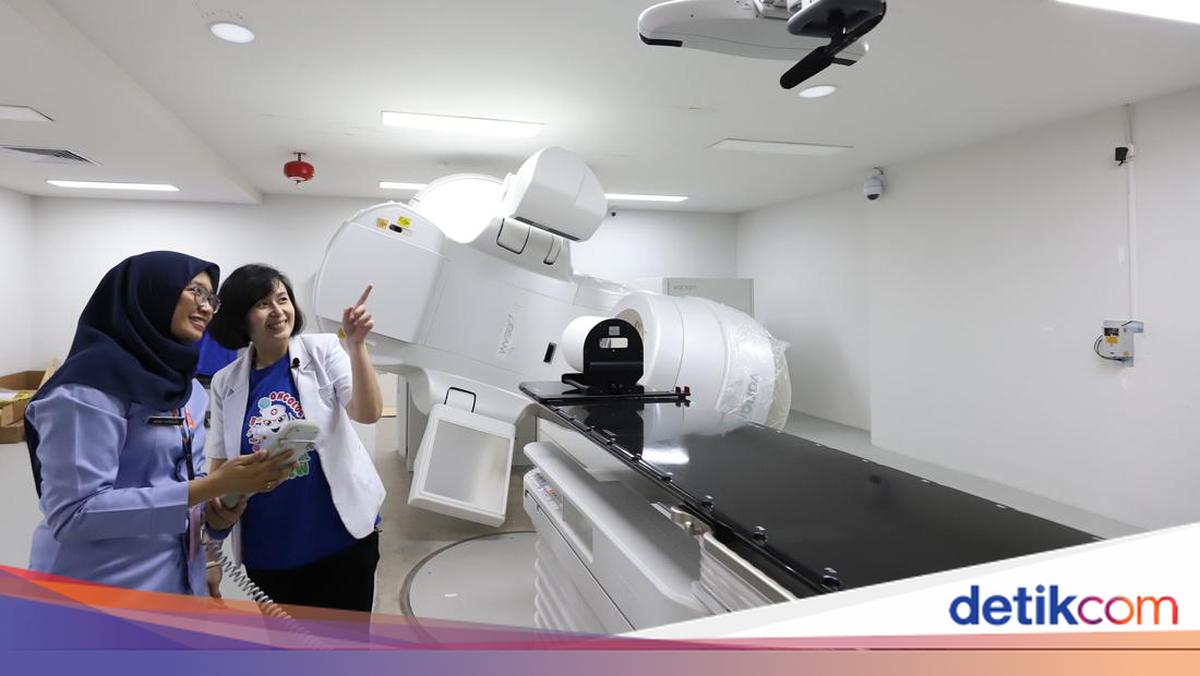
The Surabaya City Government has officially launched a medical tourism programme as an integrated healthcare service alternative for Indonesian society without needing to seek treatment abroad.
This programme offers comprehensive service packages that include consultations, airport pickups, medical procedures such as medical check-ups (MCU) or surgeries, and recovery tourism.
The programme integrates eight hospitals in the City of Heroes that have obtained certification from the Indonesian Ministry of Health (Kemenkes).
Surabaya Mayor Eri Cahyadi stated that the presence of medical tourism is a strategic step to strengthen Surabaya’s position as a destination for healthcare services. He emphasised that medical facilities in Surabaya are capable of accommodating various types of treatments that have previously been sought abroad.
“Alhamdulillah, medical tourism in Surabaya has been launched. There are eight hospitals that have received certification from the Ministry of Health,” he said in a written statement on Wednesday (22/4/2026).
The launch of medical tourism was part of the series of events for the 733rd Surabaya City Anniversary (HJKS) held in the courtyard of the Surabaya City Hall on Tuesday (21/4).
Eri explained that the medical tourism concept in Surabaya not only focuses on healthcare services but is also integrated with the tourism sector through collaboration with travel agencies. This scheme allows patients to receive services from airport pickups, hospital treatments, to hotel accommodations in one integrated package.
“We are also collaborating with travel agencies. So if someone wants to seek treatment through Surabaya’s medical tourism, they just choose, and they will be picked up from the airport to the hospital,” he said.
According to him, the existence of several major hospitals in Surabaya demonstrates that the city can provide medical services equivalent to those abroad. Therefore, he is optimistic that the medical tourism programme will increase public confidence in seeking treatment domestically.
“Surabaya will become part of the city for (healthcare services). We will promote this massively wherever possible,” he stated.
Furthermore, Eri mentioned that each of these hospitals has different flagship services, ranging from cardiology, therapy, to paediatric healthcare. In the future, he hopes more hospitals in Surabaya will obtain similar certifications to provide even more diverse options.
“The eight hospitals each have their own flagship services. There are those for the heart, those related to therapy, those related to children, so each has its strengths,” he explained.
Moreover, as the Chairman of the Board of the All-Indonesia City Government Association (APEKSI), he also revealed that several hospitals in Surabaya have already served patients from abroad. For him, this shows the level of international trust in the quality of healthcare services in the City of Heroes.
“If we look at the doctors in Surabaya, they are also extraordinary. Hopefully, this can build confidence among Indonesians, not to go abroad but to come to Indonesia, especially to the City of Surabaya,” he added.
Regarding the need for medical personnel, particularly specialist doctors, Eri assured that these eight hospitals have met the standards required by Kemenkes to join the medical tourism programme.
“If they are included in medical tourism, then the hospital’s needs for specialist doctors must certainly be fulfilled. Because if the specialist doctors are not fulfilled, it is impossible to obtain a medical tourism certificate,” he clarified.
Eri targets the number of medical tourism patients to reach 500 to 1,000 people in the first few months of implementation. This target is considered realistic given the high interest from patients from eastern Indonesia to abroad who come to Surabaya.
“So this is the target set. 500 to 1,000 people coming to Surabaya, we will see in the next few months,” he revealed.
To support achieving this target, the Surabaya City Government will intensify promotions through various modes of transportation. Such as through aeroplanes, trains, and sea vessels, highlighting the advantages of medical services and specialist doctors in each hospital.
“We can see that many already come from eastern Indonesia, from international sources, from abroad, to Surabaya. Therefore, we will boost promotions with the strengths and capabilities of each doctor and flagship services in each hospital,” he explained.
Meanwhile, the Head of the Surabaya City Health Office (Dinkes), dr Billy Daniel Messakh, explained that the medical tourism concept combines healthcare services with tourism in one package price. Patients will receive medical treatment, while accompanying family members can enjoy tourism facilities.
“The principle is service with tourism. So broadly, we treat the sick, and the family who is not sick can go wherever, we can facilitate,” said Billy.
Billy gave an example of handling patients from East Nusa Tenggara (NTT) and Papua. These patients were served from pickups at Juanda Airport using ambulances to hospital treatment until recovery.
“From there they fly, picked up at Juanda with our ambulance. From there we take them directly to the hospital (treated), until recovered then they go home again,” he said.
Regarding costs, Billy stated that medical tourism services in Surabaya are relatively more affordable compared to other countries like Malaysia and Singapore. Because the costs refer to the Surabaya City Regional Regulation (Perda).
“Compared to Malaysia or Singapore, we are much cheaper,” he added.
Billy estimated that the cost of services in Surabaya hospitals is only about 75 percent compared to treatment costs in Malaysia or Singapore.
“The comparison, if there it’s 100 percent, here it’s