
Supreme Court Candidate Urges Completion of Tax Court Transfer to MA
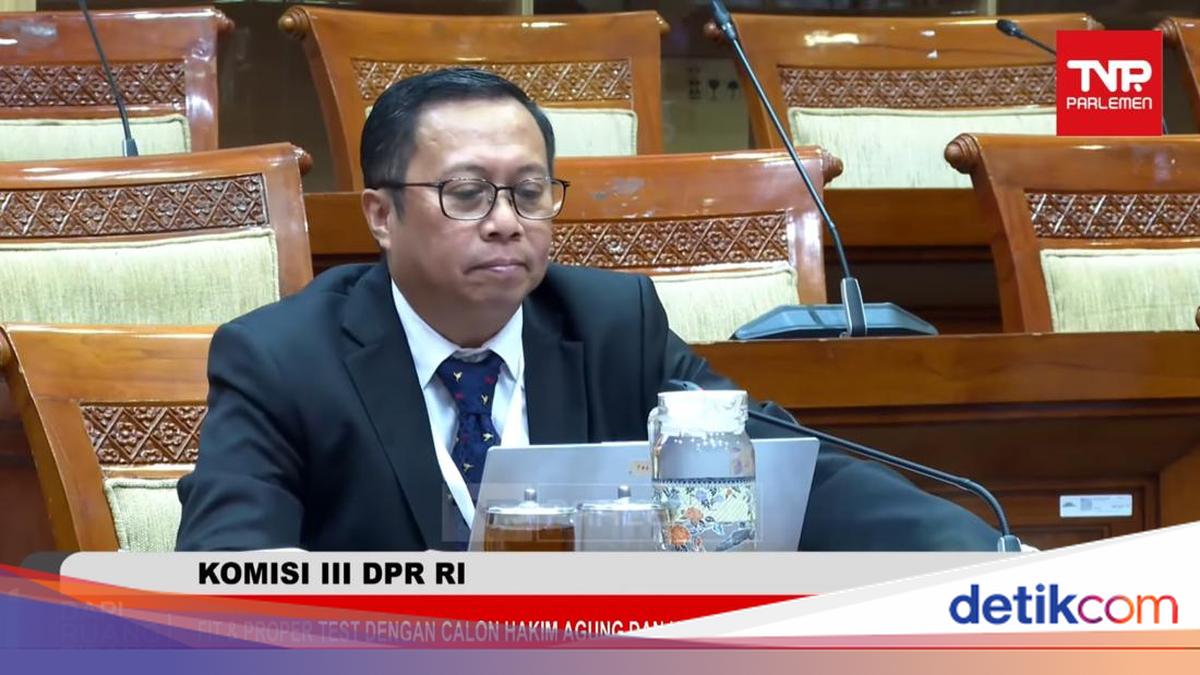
Supreme Court justice candidate for the State Administrative Chamber specialising in tax, Yeheskiel Minggus Tiranda, has urged that the full transfer of the Tax Court’s administration from the Ministry of Finance to the Supreme Court be completed promptly. He said the transfer is mandated by a Constitutional Court ruling with a deadline of no later than 31 December 2026.
Yeheskiel made the remarks during a fit and proper test at the DPR building in Senayan, Jakarta, on Wednesday (12/8/2026). He began by noting that national economic transactions have shifted from conventional systems to digital platforms.
“This condition creates fiscal justice problems. Domestic business entities with a physical presence face conventional taxation, while cross-jurisdictional digital business actors can minimise their tax obligations,” he said.
Beyond the challenges of the digital economy, Yeheskiel highlighted institutional issues within the Tax Court. Currently, the administration of the Tax Court is carried out under a dual arrangement.
“The acceleration of substantive regulation by the authorities is not matched by corresponding updates on the adjudicative side. A dual oversight pattern exists where judicial technical matters fall under the Supreme Court, while organisational, administrative, and financial oversight falls under the Ministry of Finance,” he said.
“This creates an institutional problem, as it oversees the Directorate General of Taxes, which is one of the parties in disputes,” he continued.
He noted that Constitutional Court Decision No. 26 of 2023 marked the beginning of institutional reform for the Tax Court. The ruling, he said, mandates the full transfer of the Tax Court’s administration to the Supreme Court by no later than 31 December 2026.
“There is a constitutional demand since the Constitutional Court issued Decision No. 26 in 2023, mandating the full transfer of the Tax Court’s administration to the Supreme Court by no later than 31 December 2026,” he said.
Yeheskiel said the transfer process needs to be carried out in stages so as not to disrupt ongoing proceedings. However, the transfer deadline must still be met.
“The ruling states that the phrase ‘Ministry of Finance’ in Article 5 Paragraph (2) of the Tax Court Law has been contrary to the 1945 Constitution. The Tax Court is affirmed as part of the judicial power through Constitutional Court Decision No. 26, so that organisational, administrative, and financial oversight is transferred entirely to the Supreme Court,” he explained.
“This gradual transitional approach is a recommendation of the ruling so as not to disrupt ongoing proceedings. The ruling also states that the full transfer of organisational oversight must occur no later than 31 December 2026,” he added.