
Supporting the Domestic Workers Bill, Manpower Minister: Domestic Workers Must Be Protected by the State
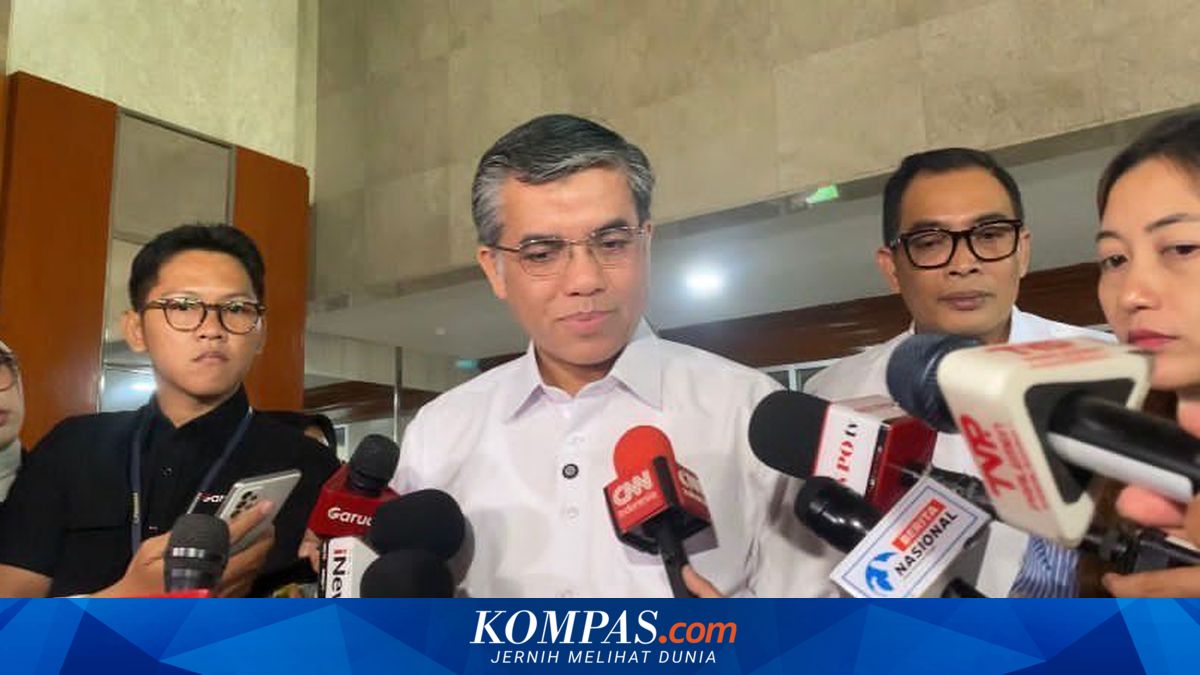
JAKARTA - Manpower Minister Yassierli has assured that the government fully supports the Domestic Workers Protection Bill (RUU PPRT) as a step to strengthen legal protection and recognition of rights for workers in the domestic sector.
Yassierli stated that the RUU PPRT is essential to ensure that domestic workers receive rights equal to other workers.
“Domestic workers have rights that must be protected by the state from before working, during work, to after work, including in dispute resolution as well as guidance and supervision,” said Yassierli during a meeting of the House of Representatives’ Legislation Body (Baleg) on Monday (20/4/2026).
“Domestic workers must receive guarantees of decent wages, working hours and rest time, rights to holidays and leave, protection from discrimination, sexual violence, as well as guarantees of occupational safety and health,” he said.
In addition, aspects of occupational safety and health are also a primary focus in the regulation.
According to Yassierli, the government supports affirming the status of domestic workers as formal workers who have rights in accordance with human dignity.
It is known that the RUU PPRT regulates the definition of domestic workers, limitations that do not fall into that category, as well as provisions regarding employment agreements, including placement cooperation and relationships between related parties.
From an institutional perspective, regulations on licensing for domestic worker placement companies (P3RT) have been aligned with the risk-based business licensing system.
In addition, the government emphasises the importance of increasing the capacity of domestic workers through vocational training, both for prospective and active workers.
“Social security needs to be regulated, both health security and employment security,” said Yassierli.
To provide legal certainty, the bill regulates mechanisms for employment relations, guidance, supervision, and dispute resolution that prioritise consensual deliberation involving the role of RT or RW heads as mediators.
Structurally, the Domestic Workers Protection Bill consists of 12 chapters and 37 articles.
The DIMs are grouped into several categories, namely 258 permanent DIMs, 107 editorial DIMs, 11 substantive change DIMs, 22 new substantive DIMs, and 19 DIMs proposed for deletion.
Yassierli hopes that this bill will soon be discussed in the DPR’s working committee (panja) until it can be enacted into law.
He also expressed appreciation to the DPR’s Legislation Body for prioritising the discussion of the bill together with the government.