
Supporting Integrated Waste Management, Ibas Delivers Aid in Magetan
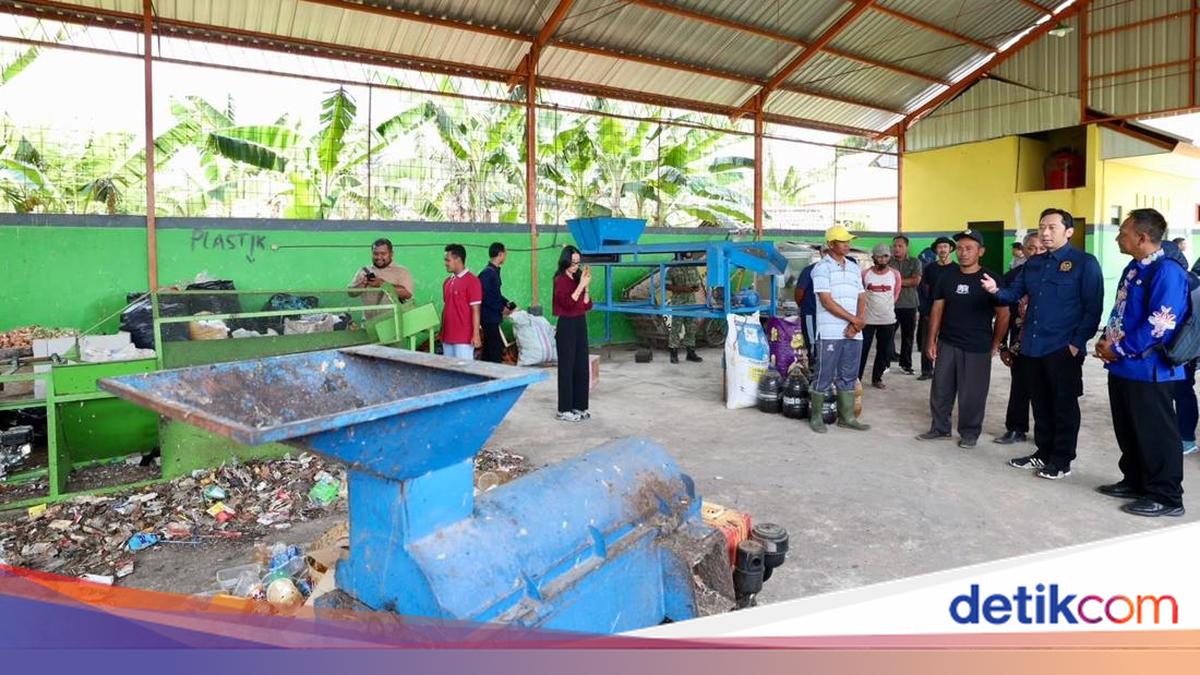
The Deputy Chairman of the MPR RI, Edhie Baskoro Yudhoyono (Ibas), is pushing for the strengthening of community-based waste management through the development of Reduce, Reuse, Recycle (TPS3R) waste processing sites in Magetan Regency, East Java.
This message was conveyed by Ibas during a visit to the Manunggal TPS3R in Kartoharjo Village, Kartoharje District, Magetan, on Friday (18/09/2026), as part of the ‘Clean Environment, Healthy Magetan: Sort Waste, Guard the Village, Prosper the Citizens’ initiative.
During the visit, Ibas personally observed the process of collecting, sorting, and processing household waste conducted by the community. He also engaged in dialogue with village officials and residents regarding the current conditions and the waste management needs in the area.
According to Ibas, the existence of TPS3R is a vital part of the effort to build cleaner, healthier, and more sustainable environmental governance. He noted that waste issues cannot be resolved by relying solely on the government, but require active community involvement starting from the household level.
“If we do not manage our household waste, who else will? Because we love this nature,” said Ibas on Saturday (19/09/2026). “One way is by ensuring the environment we inhabit remains clean, healthy, and comfortable,” he added.
Ibas emphasised the importance of establishing the habit of sorting waste at the source. He stated that organic and inorganic waste should be separated before collection and transported to the TPS3R so they can be processed according to their type and utility.
“The method is simple. We start with ourselves,” said Ibas. “Our children must also be taught to dispose of waste in the correct place and maintain environmental cleanliness.”
Waste as a Source of Benefit
During his visit, Ibas observed the activities of the TPS3R managers handling community waste. The Manunggal TPS3R in Kartoharjo Village has been operating for approximately eight months since its establishment in 2025.
The waste managed originates from various local sources, including Islamic boarding schools (pesantren), nutritional service units (SPPG) kitchens, markets, and residential areas.
Collected waste is not merely discarded but sorted by type. Organic waste is processed into liquid fertiliser and compost, while inorganic waste can be resold or utilised for other purposes.
Ibas expressed his appreciation for the TPS3lar managers, noting their crucial role in protecting the environment while creating opportunities for waste utilisation for the community.
“This is a noble task. Not everyone wants to deal with waste,” Ibas remarked. “But those working here are thinking about the interests of many people, not just themselves.”
Ibas also encouraged the further development of waste processing outputs to ensure they possess utility and economic value, ultimately benefiting the community, particularly the agricultural and plantation sectors.
“This is an integrated pattern that we must develop together. Waste that was previously considered useless can be processed into something beneficial, including fertiliser that is then returned to farmers,” Ibas explained.
Currently, the fertiliser produced by Manunggal TPS3R has not yet been widely marketed. Therefore, capacity building and innovation in processing are deemed essential so that waste management results can provide greater benefits to both the environment and the community.
Encouraging TPS3R Expansion
Ibas believes the waste management model implemented by the residents of Kartoharjo Village can serve as an example to be expanded gradually to other regions.
According to Ibas, the demand for waste management facilities will continue to rise alongside community activities. Consequently, the construction of waste management facilities must be carried out incrementally, involving central government, local governments, village governments, and the community.
“This is a form of collaboration between ministries and regional authorities to ensure there are Reduce, Reuse, Recycle waste processing sites. Even though the tools are still simple, at the very least, it helps formulate how waste can become compost, fertiliser, and other products,” said Ibas.
Ibas expressed hope that as regional fiscal capacity strengthens, the development of similar facilities could be expanded to more villages. “Ideally, every village should have a waste management system like this. We will do it slowly and gradually, but it must proceed,” he said.
As a form of support for waste management in Kartoharjo Village, Ibas also delivered several pieces of supporting equipment, including three-wheeled vehicles for waste transport and various cleaning tools. This aid is expected to support the mobility of managers and strengthen waste management activities within the community.
Regulatory Issues Require Solutions
In his dialogue with the community and local officials, Ibas also received feedback regarding the obstacles to building TPS3R facilities in several areas, particularly those related to land status and spatial planning, including issues where land falls under protected agricultural zones.
Ibas stated that these regulatory issues need to be resolved through joint efforts by local governments and relevant ministries so that the community’s need for waste management facilities is not hindered for too long.
“Let us not allow activities like this to be delayed because of licensing or regulations that are too complicated and slow. After all, waste is produced every day,” Ibas said.
According to Ibas, resolving regulatory issues must be handled in parallel while considering existing provisions, ensuring that waste management facilities that benefit the community can continue to be developed.
Promoting Awareness from the Household
In addition to strengthening facilities, Ibas believes that changes in community behaviour are the key to successful waste management. He urged the community to begin sorting waste from home, maintaining drainage and the surrounding environment, and…