
Supporting Food Security in Remote Areas Lacking Rice Fields
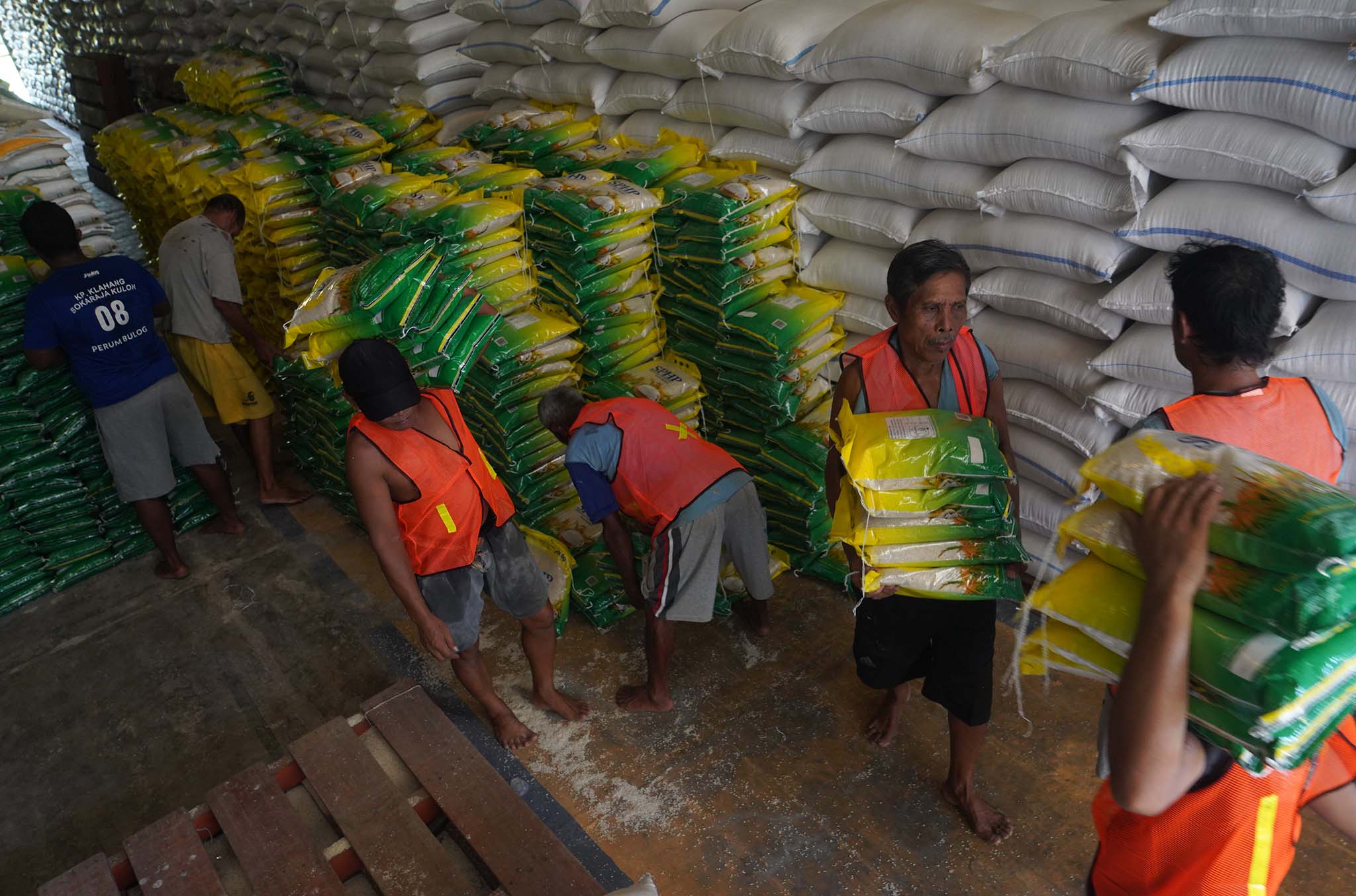
In Kutabawa Village, Purbalingga, residents rely heavily on food assistance due to the local geography. Located on the slopes of Mount Slamet at altitudes between 1,100 and 1,500 metres above sea level, the area is suitable for vegetable cultivation but lacks any rice paddy fields. For residents like Gering, a widow caring for a disabled child, the delivery of 20kg of rice and 4 litres of cooking oil is a vital lifeline.
Similarly, Narsih, 64, noted that the assistance helps mitigate high local market prices, where rice can reach up to Rp15,000 per kg. The Village Head of Kutabawa, Budiyono, stated that 1,308 residents are recipients of this aid, all categorised as low-income based on the National Socio-Economic Integrated Data (DTKS). He noted that while residents previously relied on maize as a staple, the quality of recent food aid from Bulog has significantly improved.
Prawoko Setyo Aji, Head of the Bulog Banyumas Branch, explained that several areas within their jurisdiction—including parts of Banyumas, Cilacap, Purbalingga, and Banjarnegara—have no rice fields. This includes the Dieng highlands in Banjarnegara and the coastal Kampung Laut area in Cilacap, which requires transporting supplies via boat through mangrove forests. Bulog is committed to ensuring aid reaches these remote destinations according to schedule.
Beyond direct aid, Bulog is collaborating with MSMEs to establish ‘Rumah Pangan Kita’ (RPK) outlets to sell affordable SPHP (Food Supply and Price Stabilisation) rice. The retail price for this rice is regulated to ensure it does not exceed the maximum retail price (HET) of Rp12,500 per kilogram. To sustain this supply, Bulog draws from the surplus of neighbouring ‘rice granary’ regencies, including Cilacap, Banyumas, Purbalingga, and Banjarnegara, which produce hundreds of thousands of tons of paddy annually.