
Supporting Energy Efficiency, Mendikdasmen Urges Pupils to Cycle to School
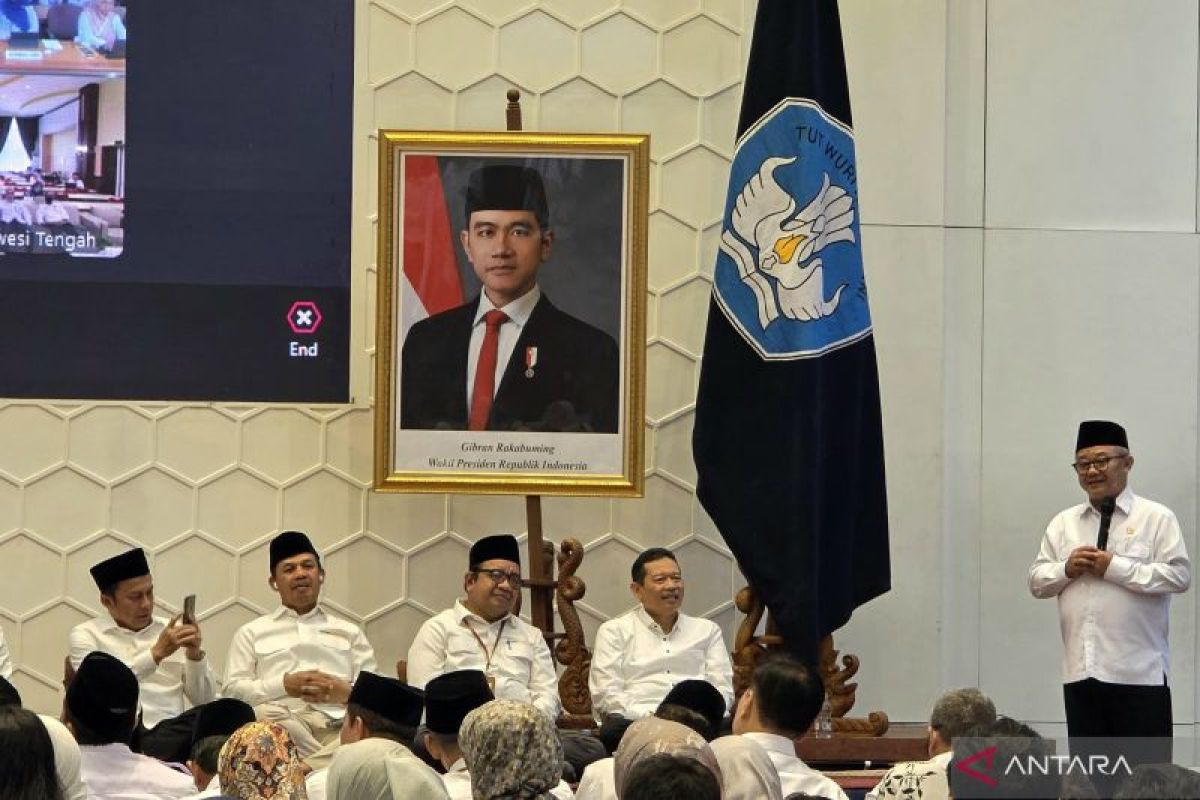
Jakarta (ANTARA) - Minister of Basic and Secondary Education (Mendikdasmen) Abdul Mu’ti has urged pupils to utilise bicycles and walk if their homes are close to school in order to support the energy efficiency drive promoted by President Prabowo Subianto.
He considers the widespread habit of cycling among the public during the Covid-19 pandemic as a positive practice that should be continued, particularly amid threats of an oil crisis due to wars in Gulf and Middle East countries.
“So, for example, I urge that if homes are close to school and it is deemed safe and comfortable, I think there is no harm in walking or returning to the cycling habit during Covid. Why not continue that habit? It is healthy, saves energy, and environmentally clean,” said Mendikdasmen Mu’ti after the Kemendikdasmen Halal Bi Halal event at Building A of Kemendikdasmen, Central Jakarta, on Monday.
He also urged schools to promote waste recycling activities with pupils so that waste in the school environment can be processed and converted into environmentally friendly energy sources.
In addition, Mu’ti urged local governments to improve public transport services in their respective regions, enabling pupils to use public transport as an option for travelling to school.
“And now there is a tendency for some children to feel more comfortable using motorbikes than public transport. In my view, if there is safe and comfortable public transport, children can go to school using public transport. That is more energy-efficient and reduces pollution. This is a challenge for local governments,” he said.
Previously, on Thursday (19/3), Cabinet Secretary Teddy Indra Wijaya explained that President Prabowo Subianto instructed several ministers to focus energy efficiency on specific sectors so that the energy-saving policy runs on target.
In a limited meeting at the Presidential Palace in Jakarta, President Prabowo received reports from several ministers regarding the government’s anticipatory measures to maintain national energy resilience, especially amid oil crisis threats due to wars in Gulf and Middle East countries.
“The President discussed strategic steps related to energy-saving plans in various sectors as an anticipation of political dynamics in the Middle East region that could affect the stability of global energy supply and prices,” said Teddy.