
Supported by Processing Industry, Indonesia's Exports in March 2026 Reach US$22.53 Billion
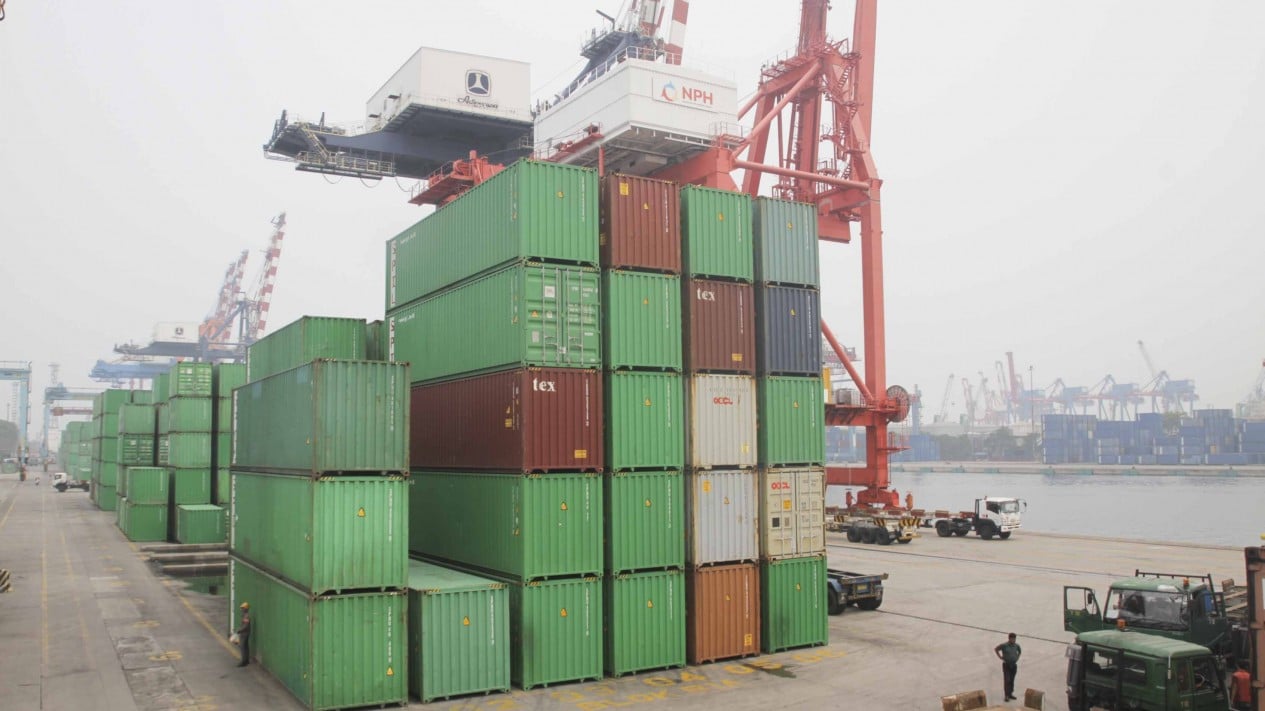
The Central Statistics Agency (BPS), through Deputy for Distribution and Services Statistics Ateng Hartono, reported that Indonesia’s export value recorded in March 2026 reached US$22.53 billion, a 3.10% year-on-year (yoy) decline compared to March 2025. Nevertheless, Ateng also stated that Indonesia’s total exports from January to March 2026 amounted to US$66.85 billion. He explained that this figure represented a 0.34% (yoy) increase compared to the same period in 2025. The driver was non-oil and gas exports, which rose 0.98% to US$63.60 billion. On the other hand, oil and gas exports plummeted 10.58% to US$3.25 billion. “The improvement in non-oil and gas export performance from January to March 2026 was primarily driven by the processing industry sector, which contributed 3.15% to that increase,” Ateng said during a teleconference press briefing on Monday, 4 May 2026. He detailed that the rise in processing industry exports was propelled by several commodities, such as nickel, organic basic chemicals based on agricultural products, palm oil, other organic basic chemicals, as well as semiconductors and electronic components. Looking at export destinations, non-oil and gas commodities recorded a significant surge to China at US$16.50 billion, up 17.49% from the same period last year. Other countries after China, namely India and the ASEAN region, also experienced increases. “Meanwhile, non-oil and gas exports to the United States (US) and the European Union actually declined during that period,” he said. Ateng added that the monthly export performance decline was partly caused by a 2.52% drop in non-oil and gas exports to US$21.25 billion, followed by a sharper 11.84% plunge in oil and gas exports to US$1.28 billion. “The annual decline in non-oil and gas exports was mainly due to falls in several major export commodities. These include, for example, animal and vegetable fats and oils, which fell 27.02% and contributed 3.52% to the decline,” said Ateng. “Then cocoa and its preparations, which dropped 50.89% and contributed 0.75%, as well as coffee, tea, and spices, which plunged 54.69% with a contribution of -0.68%,” he stated.