
Supported by Incentives, Electric Vehicle Growth in Bandung Rises Significantly
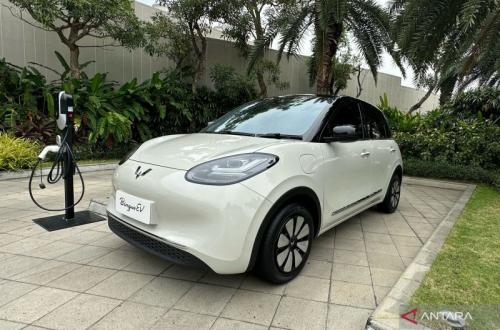
REPUBLIKA.CO.ID, BANDUNG – National electric vehicle growth, including in West Java and particularly Bandung, has experienced a significant increase in recent years. Currently, the growth rate stands at six per cent.
“This is an increase compared to previously, when it was only around 3 to 4 per cent,” said Regional Sales Manager of Wuling Motors, Noor Fazrur Rahman Ridha, on Wednesday (6/5/2026).
Noor assessed that electric car incentives have played a substantial role and served as a stimulus for electric vehicle growth. This is what has made the growth quite significant.
The same sentiment was expressed by Brand Communication Senior Manager of Wuling Motors, Brian Gomgom. According to him, national electric vehicle growth has seen a quite significant increase in recent years.
“Electric vehicle sales reached around 15 per cent nationally by the end of 2025,” he explained.
Compared to 2022, when the electric vehicle market was still at a figure of zero point something per cent. Over two to three years, that figure has experienced very rapid growth.
He assessed that amid the development of pure electric vehicles or EVs, PHEV technology has become an attractive solution for the public with high mobility, especially for long-distance inter-city journeys.
According to Brian, one of the main advantages of PHEV vehicles is the flexibility of energy use. When the battery power runs out, the petrol-fuelled engine will automatically operate, so users do not need to worry about running out of power during the journey.