
Support Natural Resource Export Governance Through Danantara to Curb National Budget Leakage Risk
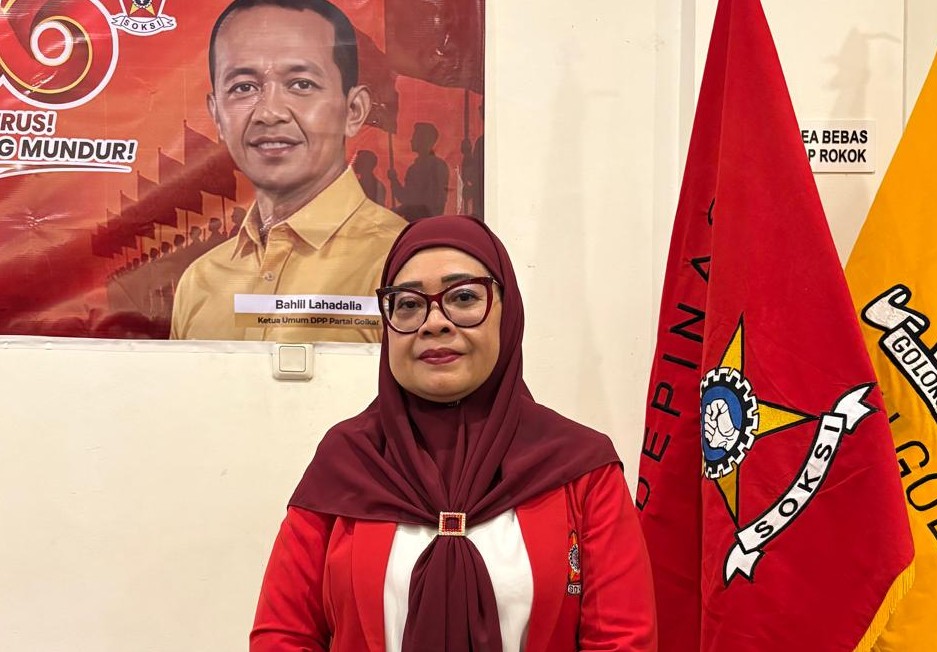
President Prabowo Subianto’s firm policy to overhaul natural resource export governance has garnered support from various quarters. The strategic appointment of state-owned enterprise PT Danantara Sumber Daya Indonesia via government regulation (PP) is seen as a crucial moment to faithfully implement Article 33 of the 1945 Constitution. Ambar Chrisdiana, Deputy Treasurer of Depinas SOKSI, stated that this move is a shrewd government strategy to plug revenue leaks in the export sector. ‘This policy is a concrete response to address underinvoicing (invoice manipulation) and underpricing (artificially low pricing), which have long been common practices among export companies. With PT Danantara overseeing export governance, non-tax state revenue will surge, bolstering fiscal resilience,’ Ambar said in a phone interview on Tuesday, 26 May 2026, Jakarta. She added that the surge in natural resource revenue would directly secure funding for national development programmes, including the priority Makan Bergizi Gratis (MBG) initiative. ‘It is only fair and just for Indonesia’s natural wealth to be maximised for the people’s prosperity. The MBG programme is a tangible manifestation of this,’ Ambar added. Ambar further stressed that the MBG programme is not merely a food distribution scheme but a concrete embodiment of the fifth principle of Pancasila: Social Justice for All Indonesians. Therefore, ensuring its success is a moral duty for all sectors of society. Regarding critics of the MBG programme, Ambar noted potential conflicts of interest from those controlling the old distribution channels. ‘Those who have been vocal in attacking MBG are likely those who previously dominated the supply chains for the nine staple food commodities (sembako). It’s no surprise negative narratives persist, as this programme will overhaul the economy to be more people-centric and break up distribution cartels and monopolistic players,’ stated Ambar, a woman from East Java. Ambar concluded by urging strict oversight of the MBG programme’s implementation to ensure it stays true to its goals of improving nutrition and economic impact. ‘The government must ensure MBG reaches its intended beneficiaries to enhance the nutrition of our youth, the nation’s future. Meanwhile, the MBG ecosystem must fully engage local MSMEs in production hubs to accelerate and make the local economy more inclusive,’ she added. (H-2) Strengthening nutrition programme governance is deemed crucial for maintaining food quality, child health, and public trust. Amid public criticism and controversy over MBG’s impact, experts and public policy observers largely believe the programme can achieve optimal outcomes. Certified human resources are crucial to minimise food contamination risks. Koperasi Saudara Unggas Mandiri in Pengawu Village, Palu, allocates nearly 50% of its total production to the Nutrition Service Unit. Proper nutrition is fundamental to children’s development, both academically and non-academically. National Economic Council (DEN) Chairman Luhut Binsar Pandjaitan praised the strategic commodity export policy via Danantara Sumberdaya Indonesia (DSI). An economist from Andalas University assessed that PT DSI’s establishment by Danantara Indonesia effectively curbs underinvoicing and strengthens national economic sovereignty. IBSW Chairman Nova Andika applauded Danantara’s integrated digital export system for preventing $900 billion in economic leakage. Danantara Indonesia CEO Rosan Roeslani explained the appointment of Luke Thomas Mahony as PT DSI director to strengthen the team and leverage his professional track record.