
Supply of Plastic Industry Raw Materials Disrupted by War, Industry Minister Gathers Businesspeople
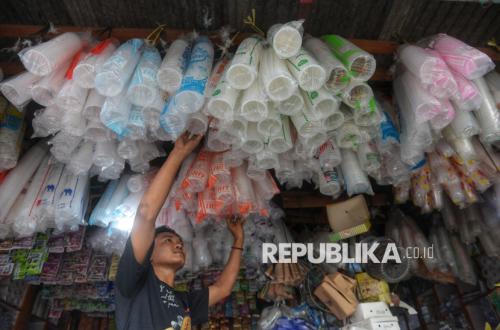
Industry Minister (Menperin) Agus Gumiwang Kartasasmita has gathered plastic industry players from upstream to downstream to respond to global geopolitical dynamics that could disrupt the supply chain of petrochemical raw materials, particularly in the Strait of Hormuz area. The meeting also involved the recycling industry to map the current situation and joint mitigation steps.
The Ministry of Industry (Kemenperin) noted that this forum serves as a platform for consolidation amid global pressures on logistics and raw material distribution. Industry players conveyed stock conditions, operational challenges, and strategies to maintain domestic supply continuity.
“From the meeting results, we received assurances from the industry that plastic stocks should not be a problem. I emphasise the word ‘should’, because the government will continue to monitor global developments closely that impact production and stocks in this subsector,” said Agus in Jakarta, quoted on Friday (17/4/2026).
He explained that industry players are also committed to maintaining plastic supplies, especially for small industries, to enable them to produce competitive goods in the market. This step is deemed important for preserving stability in the plastic-based manufacturing sector amid external pressures.
Kemenperin has identified distortions in domestic plastic product prices due to geopolitical turmoil. Increases in logistics costs, freight charges, and premium surcharges are driving price adjustments at the industry level.
“Delivery times that previously averaged around 15 days can now increase to 50 days. This situation certainly impacts rising production cost burdens,” said Agus.
The situation is pushing the government to accelerate the strengthening of the national petrochemical industry structure, particularly in terms of domestic raw material availability. Reliance on imports is seen as a weak point that needs to be reduced.
“This event further underscores the importance of building a strong and independent national petrochemical industry, so that dependence on imported raw materials can continue to be reduced,” stated Agus.
In the forum, investors also expressed hopes that the petrochemical subsector becomes increasingly attractive for new investments. Domestic market protection is considered vital for sustaining investments and industry competitiveness.
The government is striving for a balance between the petrochemical industry’s raw material needs and the energy sector, including motor vehicle fuel. This step is taken to ensure supplies remain stable without disrupting other strategic sectors.
“We must look at all national resource potentials that can serve as alternative raw materials for the petrochemical industry, including crude palm oil (CPO), although its economic challenges still need to be calculated carefully,” said Agus.
The meeting also revealed the potential utilisation of naphtha substitute raw materials from domestic sources like CPO. This option still faces price-related challenges but is deemed relevant for diversifying raw material sources.
Agus assessed that global competition for petrochemical raw materials will become increasingly tight amid the current geopolitical situation. Industry players are also pushing for access to quality raw materials to enhance the competitiveness of national products.
“Kemenperin will continue to stand alongside industry players in maintaining the resilience of the national manufacturing sector against global dynamics,” said the Industry Minister.
The meeting was attended by various associations and industry players, including the Indonesian Olefin, Aromatics, and Plastics Industry Association (INAPLAS), the Indonesian Plastic Recycling Association (ADUPI), as well as companies like Chandra Asri, Lotte Chemical, and Indorama Group. This cross-sectoral involvement reflects collaborative efforts to maintain national plastic industry stability.
This consolidation step strengthens coordination between the government and industry in facing global pressures. Efforts to maintain supplies and competitiveness are seen as key to keeping manufacturing performance stable.