
Supply Chain Threats Persist Despite Strait of Hormuz Normalisation
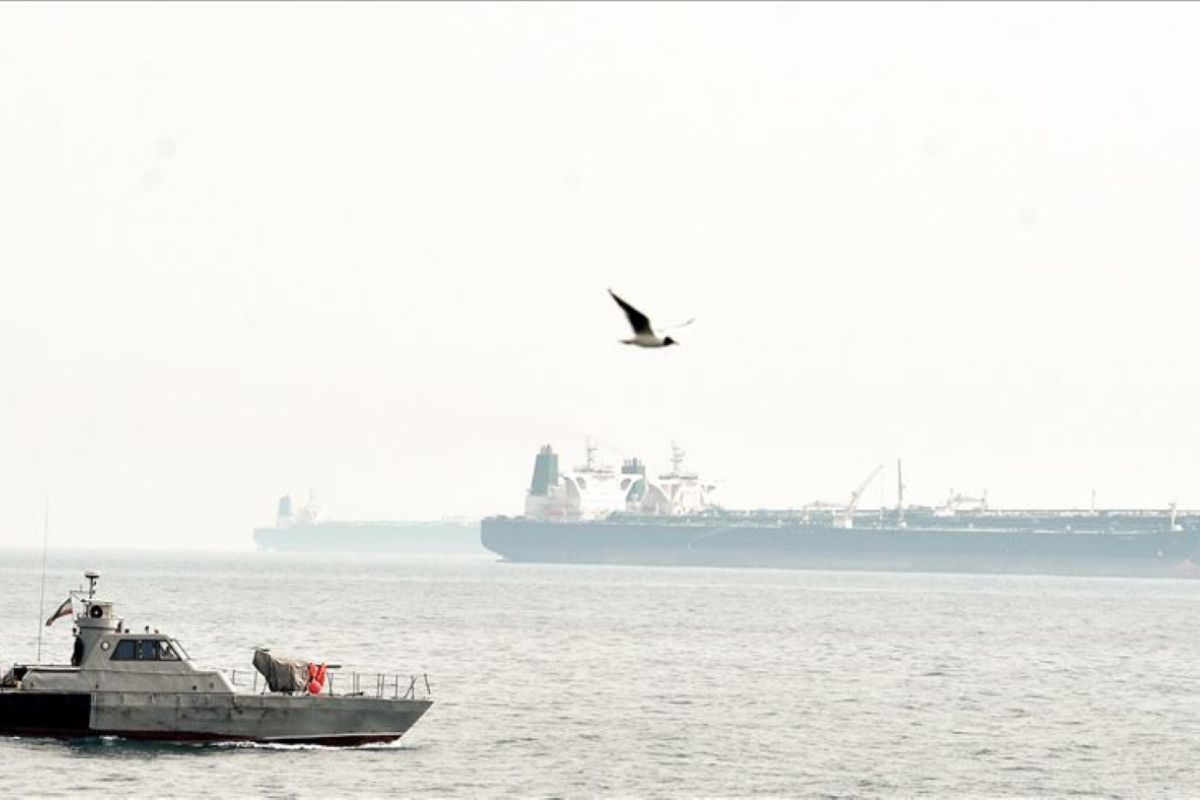
The return of shipping activity in the Strait of Hormuz following an agreement between the United States and Iran has brought fresh optimism for global trade and energy distribution. The shipping lane, previously disrupted by geopolitical tensions, is now beginning to operate again. However, logistics industry players caution that the normalisation of vessel traffic in the Strait of Hormuz has not entirely eliminated risks to the global supply chain. The recovery of the shipping route is not necessarily being followed by the restoration of energy infrastructure damaged by conflict in the Middle East region.
Under a memorandum of understanding signed in mid-June 2026, Iran granted commercial vessels permission to transit the Strait of Hormuz without charge for 60 days. Previously, the closure of the route since late February 2026 had left nearly 600 ships and around 20,000 seafarers stranded in the Gulf region.
Disruption to one of the world’s most important shipping lanes significantly impacted global energy trade. Around 20 per cent of the world’s oil trade was temporarily obstructed, whilst logistics costs, insurance premiums, and international shipping rates experienced increases.
Yukki Nugrahawan Hanafi, Senior Vice President of the International Federation of Freight Forwarders Associations (FIATA) and Chairman of the Board of Trustees of the Indonesian Logistics and Forwarders Association (ALFI), assessed that the recovery of shipping activity is positive news for the business world. Nevertheless, he cautioned that the greater risk still stems from damage to energy infrastructure caused by the conflict. “The return of shipping is certainly good news for businesses. But we need to view this situation more comprehensively. The current challenge is not only about the security of shipping lanes, but also the condition of energy infrastructure damaged by conflict in the Middle East region,” Yukki stated.
As one of the world’s most strategic trade routes, the Strait of Hormuz is a vital point for global energy distribution. Approximately one-fifth of the world’s oil trade and the majority of liquefied natural gas (LNG) exports from the Gulf region pass through the strait. According to Yukki, stability in the Strait of Hormuz has a direct impact on Asian countries, including Indonesia. The condition of this shipping lane affects energy availability, logistics costs, inflation rates, and the competitiveness of national industry.
When the conflict reached its peak, the impact was immediately felt in global markets. Brent crude oil prices at one point held around US$106 per barrel, whilst war insurance premiums, shipping route changes, and international transport costs saw significant increases. Currently, Brent oil prices are around US$77 per barrel, but market uncertainty still looms.
Yukki highlighted a fundamental difference between the recovery of shipping lanes and the recovery of energy facilities. According to him, shipping lanes can be reopened in a relatively short time once security conditions improve. Conversely, repairing energy facilities requires a much longer period. “Unlike shipping lanes which can be reopened relatively quickly after security improves, the recovery of energy facilities takes far longer. Oil refineries, export terminals, storage facilities, and disrupted LNG infrastructure require repairs, investment, and operational testing before they can operate optimally,” he said.
These concerns align with findings from international energy agencies. Energy research firm Rystad Energy estimates damage to energy infrastructure in the Gulf region reached approximately US$58 billion. Meanwhile, the International Energy Agency (IEA) recorded that more than 40 oil and gas assets suffered damage due to the conflict. Some facilities are even expected to require years to return to normal operation due to limitations in equipment and specialist personnel.
According to Yukki, this situation demonstrates that although tankers have resumed operations, global energy production and distribution capacity may not necessarily recover fully straight away. This situation has the potential to sustain energy price volatility in the medium term whilst maintaining pressure on global supply chain costs.
For Indonesia, this condition serves as an important reminder to strengthen national logistics and supply chain resilience. Efforts that can be undertaken include accelerating industrialisation and downstream processing programmes, improving national energy storage capacity, strengthening multimodal connectivity, and diversifying sources of energy and strategic raw materials. “The Strait of Hormuz is indeed busy again. But the biggest lesson is not simply the recovery of tanker traffic, but rather the importance of building energy resilience, infrastructure, and supply chains sustainably. Amid increasingly complex geopolitical uncertainty, a country’s ability to maintain the continuity of its supply chain will be the main determinant of competitiveness and economic resilience in the future,” Yukki concluded.