
Super El Niño Threat Looms, Scientists Consider Dimming the Sun
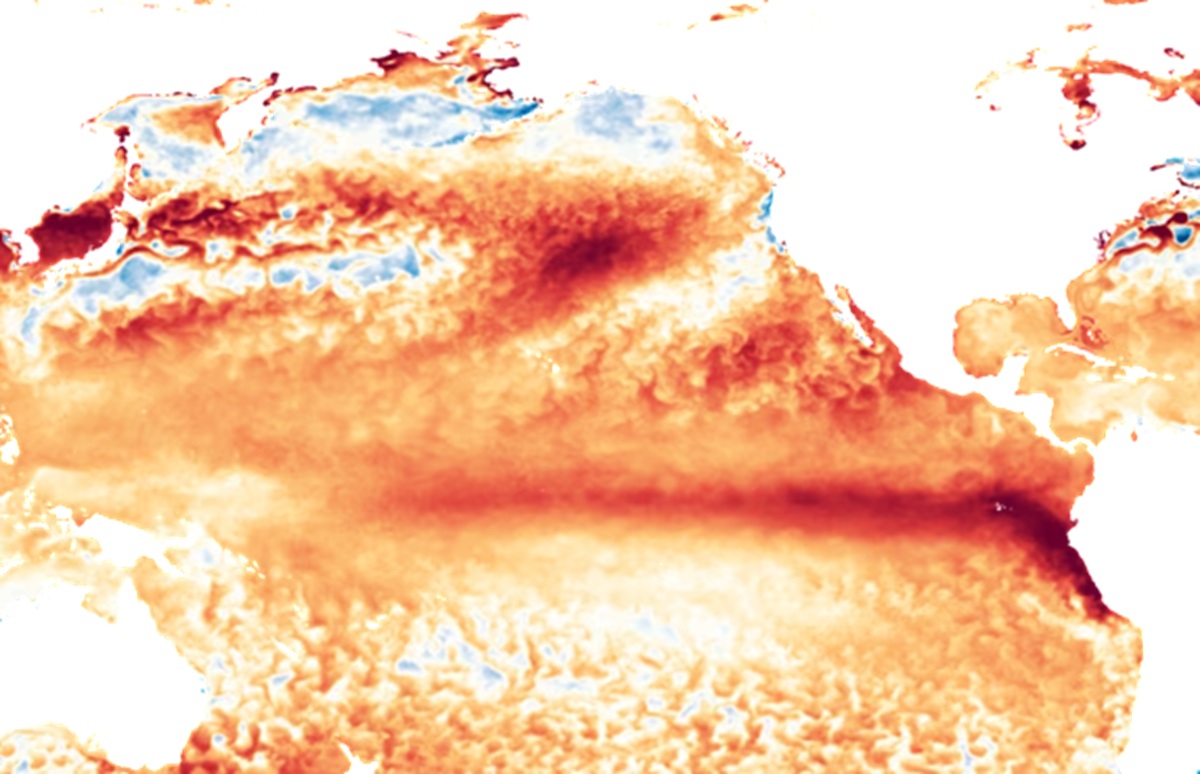
The world is currently preparing for the threat of a Super El Niño, a weather phenomenon predicted to be one of the most intense in recent decades. This phenomenon brings a real threat of a drastic surge in deadly extreme weather across the globe. In response, a recent study published in the journal Science Advances poses a major question: what if humanity could dampen the impact of even the most severe El Niño by temporarily dimming the sun? The study, led by a group of scientists from the Scripps Institution of Oceanography, focuses on the potential use of a highly controversial climate engineering technique: solar geoengineering. Specifically, they examined the technique of marine cloud brightening. This method involves spraying aerosol particles into clouds over the ocean so they can reflect sunlight back into space. El Niño is a natural climate pattern originating in the tropical Pacific Ocean, which typically triggers rising global temperatures and extreme weather. However, this natural phenomenon is now exacerbated by human-caused climate change, which continues to raise the planet’s baseline temperature. As a result, El Niño years are becoming increasingly extreme and bringing destructive impacts to human life and the global economy. Because the risks of real-world climate engineering experiments are deemed too dangerous and could trigger ‘unintended catastrophic consequences’, the researchers turned to a past ‘natural experiment’. They observed the massive Australian bushfires of 2019 to 2020. That event produced thick smoke plumes containing sunlight-reflecting particles over the Pacific Ocean, which proved to cool the ocean and contributed to triggering a subsequent La Niña phenomenon. The scientists then used computer models to simulate the impact if this artificial cloud brightening technique were applied before two historically strong El Niño events, in 1997 and 2015. The simulation results showed that a measured application of this technique could weaken the adverse impacts of El Niño and strengthen the cooling effect of La Niña by up to 40 percent. Nonetheless, this proposal has sparked fierce ethical and technical debate among global experts. Some experts consider climate engineering methods too dangerous due to the risk of countless side effects. There are also concerns about the risk of ‘termination shock’, a sudden and extreme spike in global temperatures if a geoengineering project were halted midway. However, Kate Ricke, a study co-author and climate scientist from Scripps Oceanography, offered a different perspective. She said the idea being studied is to use geoengineering as a temporary, targeted tool for specific seasonal events that are certain to cause massive damage. ‘This is not something you are locked into forever,’ Ricke said. She added that in the face of an extreme Super El Niño, almost all regions of the world would be adversely affected. ‘We need to understand a lot more, but if there is a way to use this… to mitigate El Niño, why wouldn’t we consider it?’ Ricke concluded.