
Super El Niño and Iran War Threaten, Food "Apocalypse" Looms
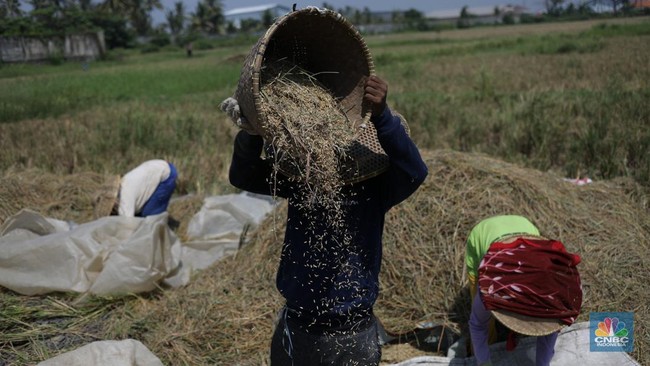
Jakarta - Extreme weather event El Niño, expected to strengthen by the end of 2026, has the potential to worsen pressures on global food prices. This risk is heightened by disruptions to fertiliser supplies due to the conflict in the Middle East, particularly the Iran war, which is interfering with vital trade routes.
Climate scientists warn that the chances of an El Niño forming in the coming months are increasing. US meteorologists estimate a one-in-three chance of a strong El Niño occurring between October and December. Meanwhile, European climate models indicate a higher likelihood of a more extreme phenomenon, often referred to as a “super El Niño”.
El Niño itself is a periodic phenomenon involving the warming of sea surface temperatures in the tropical eastern Pacific. In extreme or “super” conditions, sea temperatures can rise by up to 2 degrees Celsius above normal, triggering broader weather disruptions.
Senior food and agriculture analyst at the Energy and Climate Intelligence Unit, Chris Jaccarini, stated that the combination of conflict and climate risks will impose a heavy burden on the global economy in 2026.
“Food prices are under pressure from two sides: extreme climate disrupting production in major agricultural regions, and a food system still reliant on fossil fuels,” he said, as quoted by CNBC International on Thursday (9/4/2026).
He added that a strong El Niño could worsen the situation. “It could accelerate weather risks in an already unstable climate due to human emissions, exacerbating inflation driven by high energy prices,” he explained.
Several commodities are expected to be most affected, including cocoa, vegetable oils, rice, and sugar. Additionally, tropical products such as coffee, tea, bananas, chocolate, and beef based on soy feed are also at risk of supply pressures.
This pressure comes amid surges in energy and fertiliser prices due to the Iran conflict. The Strait of Hormuz, through which about a third of the world’s fertiliser trade passes, has been disrupted following military attacks at the end of February, stalling global fertiliser distribution.
UBS chief economist Paul Donovan said that rises in energy prices almost always have a direct impact on food prices. However, he believes the greatest threat this year comes from weather factors.
“2026 may produce a super El Niño weather pattern. In that case, drought and water shortages may be more important than nitrogen shortages,” he wrote in a research note.
The World Food Programme (WFP) report also warns of a significant surge in the number of people facing acute hunger. If the Iran conflict continues and oil prices remain above US$100 per barrel, that number could rise by 45 million people, adding to the total of 318 million already affected by global food insecurity.
Ninety One portfolio manager Dawid Heyl assessed that the combination of geopolitical conflict and climate risks could significantly worsen the situation. “If two such negative factors combine, the situation could be very difficult,” he said.
Several countries such as India, Australia, Brazil, and Argentina are said to be potentially heavily impacted by El Niño, both in terms of drought and agricultural production disruptions. Meanwhile, regions in Africa such as Ethiopia, South Sudan, and Sudan also face drought threats that could damage major planting seasons.