
Sumatra Blackout Prompts IESR to Urge National Electricity System Reform
The government is being urged to evaluate the national electricity market model to support the acceleration of the energy transition while improving the reliability of the electricity system. The current market model is considered to need adjustment to meet new challenges, ranging from the increasing use of renewable energy to the risk of system disruptions due to climate change.
The Institute for Essential Services Reform (IESR) stated that updating the electricity market model is a crucial part of reforming the electricity sector. In addition to strengthening transmission and distribution networks, the reform must also address market governance so that the electricity system is more flexible and able to accommodate various new energy sources.
IESR’s Energy System Transformation Director, Deon Arinaldo, said Indonesia’s electricity market system, which is still dominated by a single-buyer scheme, needs to be evaluated to address the challenges of the energy transition. According to him, the system needs to adapt to integrate increasingly diverse and distributed renewable energy generators.
“If we want to build a more flexible and reliable electricity system, the discussion is not only about the power grid, but also how the electricity market design can provide incentives for system flexibility,” Deon said during an IESR webinar on national electricity system reform in Jakarta, Tuesday (7/7/2026).
He explained that the increased use of solar and wind-based power plants will change the operational patterns of the electricity system. This condition requires a market mechanism that provides space for energy storage technology, flexible generators, and system balancing services so that the electricity supply remains reliable.
According to Deon, several countries have adjusted their electricity market designs as the renewable energy mix increases. Indonesia is considered to need to start preparing similar reforms so that the transformation towards a low-emission electricity system can proceed more effectively.
IESR recommends that the government evaluate the electricity market model alongside updates to technical regulations, including the Grid Code and Distribution Code. This step is considered to provide certainty for businesses while strengthening the system’s ability to anticipate changes in generation and electricity demand patterns.
IESR also encourages the government to formulate a national strategy for grid resilience, accelerate the development of distributed energy resources, and establish a mechanism for periodic review of the Grid Code so that regulations can keep pace with technological developments.
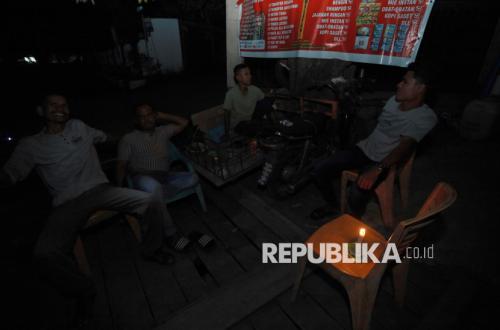
Moreover, the large-scale blackouts that occurred in Sumatra in May and June 2026 serve as a warning for the government and stakeholders to accelerate the reform of the national electricity system. Strengthening the grid is deemed urgent to make it more resilient to extreme weather while accommodating the transition to clean energy.
IESR assesses that the recurring disruptions in Sumatra show the national electricity system is facing new challenges due to climate change and the increasing need for a more flexible grid. Updating technical regulations, strengthening infrastructure, and improving system reliability are important parts of this reform.
Deon Arinaldo said the blackout incidents in Sumatra cannot be viewed as isolated events. According to him, two major disruptions occurring in close succession demonstrate the growing impact of extreme weather on the national electricity system.
“At the end of May, a blackout occurred in Sumatra, reportedly triggered by extreme weather that disrupted the transmission line in Jambi. Not long after, another blackout occurred in North Sumatra due to the collapse of a transmission tower, which was also suspected to be influenced by heavy rain and strong winds,” Deon said.
He explained that the modern electricity system now faces three challenges simultaneously. The first challenge is the increasing risk of extreme weather, which can reduce network capacity and damage infrastructure. The second challenge is the changing pattern of electricity demand due to the climate crisis. The third challenge is the need to accelerate the decarbonisation of the electricity system.
IESR believes that electricity grid reform is no longer just a technical issue, but also part of the effort to maintain national energy security. Strengthening system flexibility and integrating renewable energy is considered to improve grid resilience in facing the impacts of climate change.