
Sultan HB X: DIY Must Live Alongside Disasters, Preparedness Should Be a Way of Life
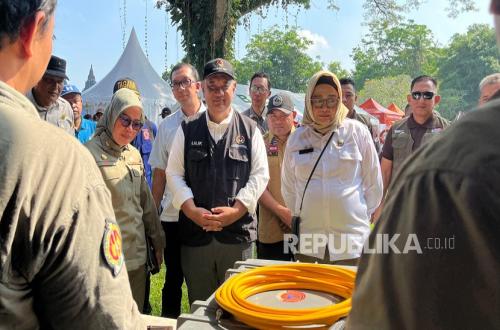
SLEMAN – The 20th anniversary of the 2006 Yogyakarta earthquake serves as a crucial moment for the DIY government and community to strengthen preparedness for future disasters. Amid the potential for megathrust earthquakes in southern Java, DIY Governor Sri Sultan Hamengku Buwono X stressed that preparedness should not only occur during disasters but must become a daily cultural norm.
The Sultan’s message was conveyed by DIY Provincial Secretary Ni Made Dwipanti Indrayanti during the two-decade commemoration of the Jogja earthquake at the Prambanan Temple complex on Saturday, 23 May 2026.
“Javanese culture teaches ‘eling lan waspada’ – awareness of circumstances, vigilance against possibilities, and maintaining life harmony. In the spirit of Hamemayu Hayuning Bawono, safeguarding human and environmental safety is a moral responsibility for all,” the Provincial Secretary read from the Sultan’s statement.
Sultan emphasised that DIY lives alongside various disaster threats including earthquakes, Merapi eruptions, floods, landslides, droughts, extreme weather, and potential tsunamis in the southern region. Therefore, the public must not view disasters as distant, alien, or infrequent.
“In DIY, we live alongside threats of earthquakes, Merapi eruptions, floods, landslides, droughts, extreme weather, and potential tsunamis in the southern region. Hence, we must not regard disasters as distant, alien, or infrequent. Disasters are part of our everyday reality,” he stated.
“The memory of the Jogja earthquake must translate into policy. Let us make preparedness a way of life,” Sultan HB X urged.
Preparedness extends beyond emergency evacuations to a broader ecosystem including disaster-resilient infrastructure, early warning systems, disaster education from an early age, strengthening of disaster-resilient villages, and volunteer communities. Ni Made also highlighted the importance of inter-agency coordination before emergencies arise. Disaster equipment must be fully operational and handled by competent personnel.
“Complete equipment without operational capability is merely inert. Conversely, trained personnel, ready equipment, and clear procedures will form the backbone of rescue efforts,” she said.