
Sugiono and the Renewal of Political Leadership
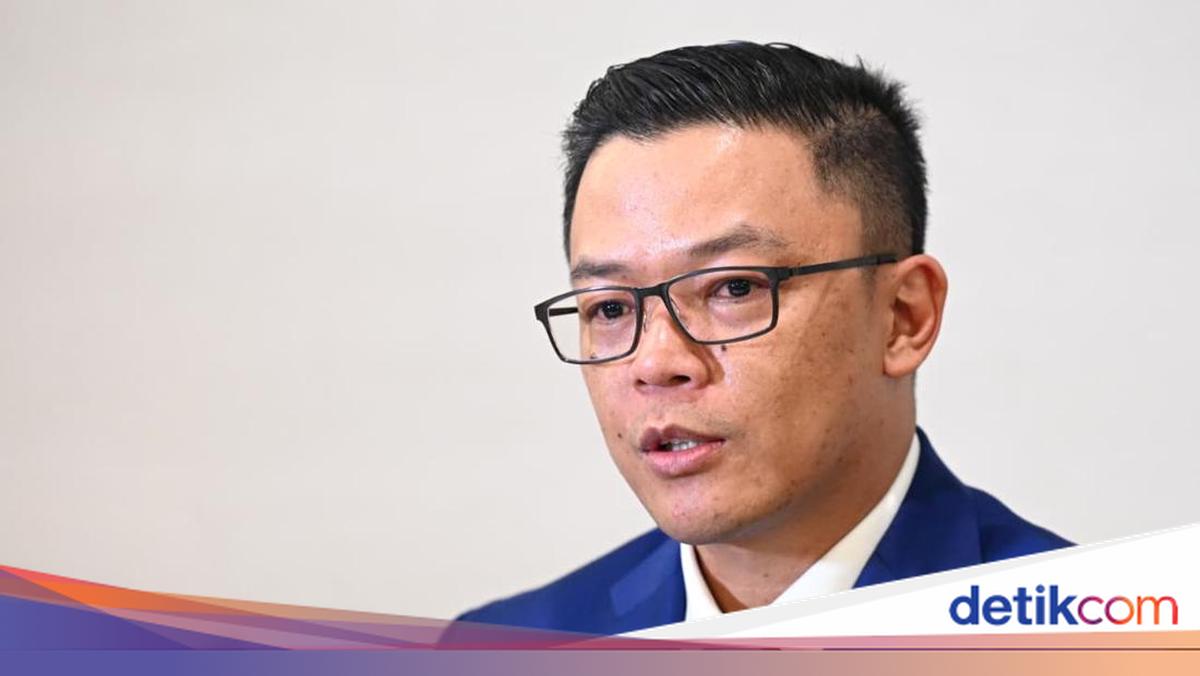
As Indonesia’s political landscape moves towards a generational transition, the emergence of younger figures in the inner circle of power is always worth watching. One name often highlighted as a symbol of renewal within the Gerindra Party is Sugiono.
For supporters and observers who have followed his political career since the party’s early days, Sugiono is often seen as more than an ordinary politician. He is considered part of President Prabowo Subianto’s closest circle of trust, a position that has put him in discussions about future leadership, including as a possible vice-presidential candidate.
Since Gerindra was founded, Sugiono has been known as one of its younger cadres—a member of a group often referred to within the party as the ‘Jedi’—who developed under Prabowo’s direct guidance. This closeness goes beyond the party’s formal structure: supporters regard Sugiono as an ‘ideological son’ who thoroughly understands his mentor’s political struggle, national vision and strategic outlook.
His early involvement in the party’s think tank shaped him into a behind-the-scenes policy thinker before he eventually moved into the political frontline. Colleagues often cite his broad knowledge of the histories and struggles of national and international figures as the foundation for his structured, rational and long-term approach.
When assessing his suitability for a higher national leadership role, such as the vice-presidency, his record across two branches of government is a significant asset. Sugiono’s legislative experience has given him an understanding of parliamentary dynamics, the legislative process and the art of building political consensus amid competing interests.
His appointment to the executive branch—particularly to a strategic post such as foreign minister in the Red and White Cabinet—offers a new opportunity to prove himself. In this role, his diplomatic skills, composure in responding to global geopolitical developments and prudence in decision-making are being tested directly before the public and the international community. The combination of legislative and executive experience is a strong argument for those who believe he has developed institutional maturity.
The Test of Succession and Future Political Dynamics
Despite his ideological closeness to Prabowo and a solid technocratic and political record, the path to being labelled a successor or national leadership candidate is bound to involve challenges and differing perspectives.
Supporters argue that Sugiono’s measured, rational and strategic leadership style is suited to maintaining stability and continuity in government programmes. The president’s full confidence in him is also a political asset not shared by all younger politicians.
On the other hand, in an electoral democracy such as Indonesia, technocratic ability and proximity to a central political figure must still be tested against the preferences of a wider electorate. Some political observers note that cadres who rise through elite trust and behind-the-scenes work face particular difficulty in building independent popular appeal compared with figures who have emerged through regional leadership or populist platforms. Coalition dynamics between parties and the arrival of other young figures from diverse backgrounds will also shape how much political space opens up for him in the future.
Ultimately, Sugiono represents a model of political cadre development centred on ideological loyalty, mastery of strategic ideas and gradual proof of capability through legislative and executive roles.
Source: jawawa.id (https://jawawa.id/newsitem/sugiono-and-the-renewal-of-political-leadership-1795600464)
Originally published by detikcom (https://news.detik.com/kolom/d-8769460/sugiono-dan-regenerasi-kepemimpinan), translated from Indonesian