
Sudewo Transferred to Semarang Detention Centre Ahead of Extortion and DJKA Trials
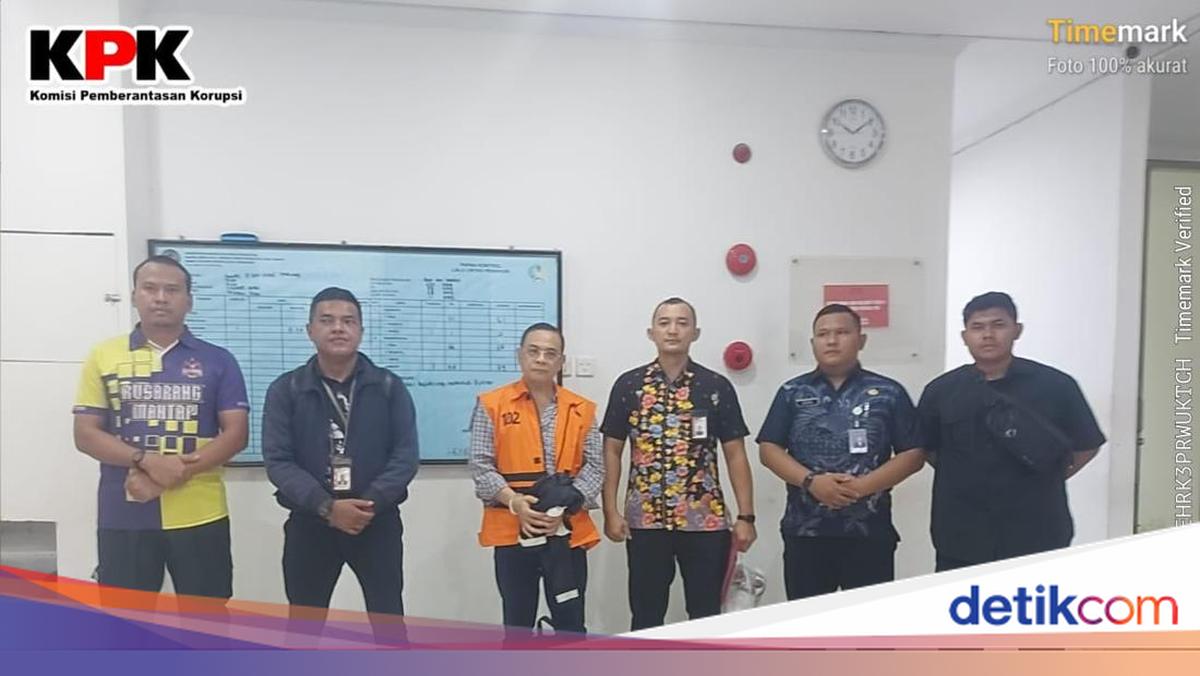
The inactive Regent of Pati, Sudewo, has been transferred to the Semarang Class I Detention Centre ahead of his upcoming trial. The two cases to be adjudicated involve allegations of extortion during his term as Regent of Pati, as well as issues surrounding DJKA railway construction projects during his tenure as a member of Commission V of the House of Representatives (DPR).
KPK spokesperson Budi Prasety/syo explained that the transfer of Sudewo to the Semarang Class I Detention Centre was conducted to streamline the examination process, particularly as his trial is scheduled to take place at the Semarang Corruption Court.
“Following the receipt of the determination letter from the Semarang Corruption Court by the KPK’s public prosecutors, the transfer of the suspect, SDW, was immediately carried out,” Budi told reporters on Saturday (6/6/2026). “As regulated under Article 104, Paragraph (1) of Law Number 20 of 2025 regarding the Criminal Procedure Code (KUHAP), this transfer of detention is intended to facilitate the examination of the defendants during the trial stage at the Semarang Corruption Court.”
In addition to Sudewo, three other suspects—Abdul Suyono (YON), the Village Head of Karangrowo; Sumarjiono (JION), the Village Head of Arumanis; and Karjan (JAN), the Village Head of Sukorukun—have also been transferred to Semarang. However, the three village heads have been placed in the Semarang Class I Correctional Institution.
The KPK has submitted the case files for the two cases involving Sudewo and plans to merge the proceedings. “There are two investigation files: one for the DJKA case and one for the Pati case,” Budi Prasetyo stated at the KPK headquarters in Jakarta. “The public prosecutors will prepare the indictment within a maximum of 14 days, and a merger of the indictments is possible.”
Budi further explained that under the Criminal Procedure Code, prosecutors are permitted to merge multiple case files to ensure the effectiveness of the legal process. “Based on the KUHAP, the public prosecutor can merge indictment files from several investigations so that the handling of both the DJKA and Pati cases can proceed effectively.”