
Sudaryono Officially Leads BGN: Experts Call It Prabowo's Political Gamble for Free Nutritious Meal Programme
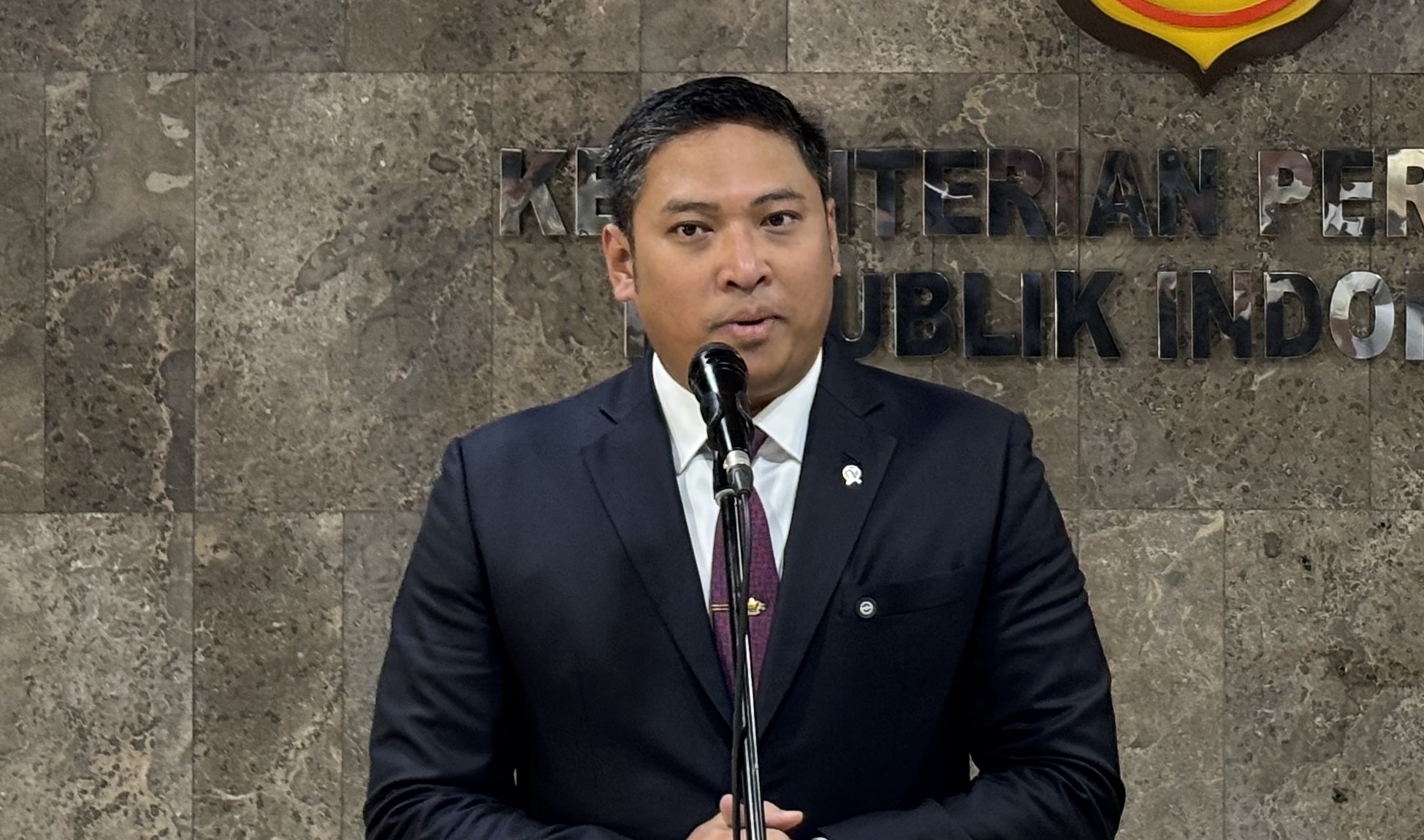
The appointment of Sudaryono as Head of the National Nutrition Agency (BGN), replacing Nanik S. Deyang, is considered a significant gamble for the sustainability of the Free Nutritious Meal (MBG) programme. Political communication observer from Esa Unggul University, M. Jamiluddin Ritonga, assessed that the new BGN head must be able to reform the institution’s governance while restoring public trust in President Prabowo Subianto’s priority programme. According to Jamiluddin, Sudaryono’s appointment was quite surprising because many parties had hoped the position would be filled by a professional figure with competence in food and nutrition governance, free from political or business interests. “Many hoped that Nanik S. Deyang’s replacement would be a firm professional figure who could lead BGN without tendencies towards business and political interests,” Jamiluddin told Media Indonesia on Thursday. He considered a professional figure necessary to address various issues that have overshadowed BGN, including alleged practices of corruption, collusion, and nepotism within the institution’s management. “The new BGN head is expected to be able to reorganise the ownership of Nutrition Fulfilment Service Units (SPPG) that are suspected to be irregular, whether related to members of the DPR, political parties, executive circles, or other parties,” he said. Furthermore, Jamiluddin stated that the BGN head should also possess a strong understanding of food and nutrition management. This is deemed important so that the implementation of the MBG programme can run better and various cases of food poisoning do not recur. “An understanding of food and nutrition management is necessary so that the management of the MBG programme can be carefully organised, thereby minimising the potential for food poisoning,” he said. He also highlighted the importance of BGN’s openness to the public. According to him, transparency is needed so that oversight of the MBG programme’s implementation can be carried out effectively by the DPR and the community. “BGN should be more open. Oversight from Commission IX of the Indonesian House of Representatives and the public needs to be facilitated, not made difficult,” he said. Jamiluddin cited an example that members of the DPR’s Commission IX who wish to inspect Nutrition Fulfilment Service Units (SPPG) reportedly must first obtain permission from the BGN leadership. “Such a condition is unreasonable because it can reduce the effectiveness of the DPR’s oversight function regarding the implementation of the MBG programme,” he stressed. On that basis, he questioned whether Sudaryono has the capacity to meet these various expectations. According to him, Sudaryono’s success or failure will greatly determine the future of the MBG programme. “If Sudaryono succeeds in reforming BGN, the image of the MBG programme can be restored and public support will grow stronger. Conversely, if he fails, the image of the MBG programme will worsen and public rejection could potentially increase,” he concluded.