
Sudan says 75 per cent of its health facilities are back in operation
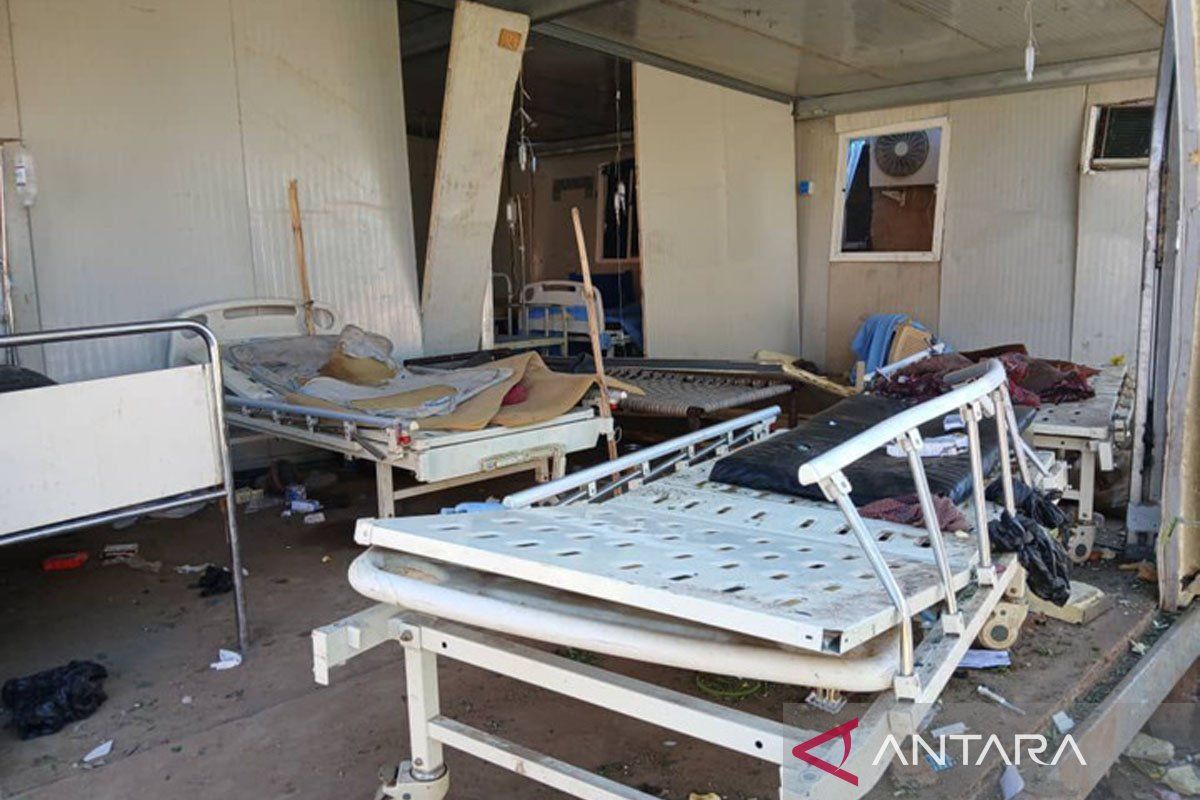
Sudan’s Health Minister Haitham Mohamed Ibrahim said that around 75 per cent of the country’s hospitals and primary healthcare facilities have returned to operation after sustaining severe damage due to war, and international funding worth USD 293 million has been raised to support the recovery of the health sector. In a press conference in Khartoum on Sunday, Ibrahim said that during the war, efforts were focused on emergency health services. Now, after the ministry’s return to the capital, the focus has shifted to rebuilding the health system. He said the ministry is implementing a plan to restore and expand health services across the country. He added that the rebuilding initiative, named the ‘Hope Strategy’, with support from the World Health Organisation (WHO), is scheduled to be launched on Wednesday. The initiative aims to strengthen primary and specialist healthcare services nationwide. He further stated that the ministry has signed financing agreements worth more than USD 293 million with several development banks and international institutions. Additionally, the ministry has secured funding commitments of around USD 150 million for the next three years. According to him, the agreements include an USD 83 million project with the World Bank, two projects worth USD 70 million with the African Development Bank, and a USD 140 million agreement with the Global Fund to support malaria and HIV/AIDS control programmes, as well as immunisation and vaccination systems. Sudan’s health sector has faced severe challenges since the conflict erupted between the Sudanese Armed Forces (SAF) and the paramilitary Rapid Support Forces (RSF) in April 2023. Hundreds of health facilities were damaged or ceased operations, disrupting healthcare supply chains and increasing the risk of disease outbreaks, including cholera, measles, dengue fever, and malaria.