
Sudan criticises US for refusing visa for its head of state
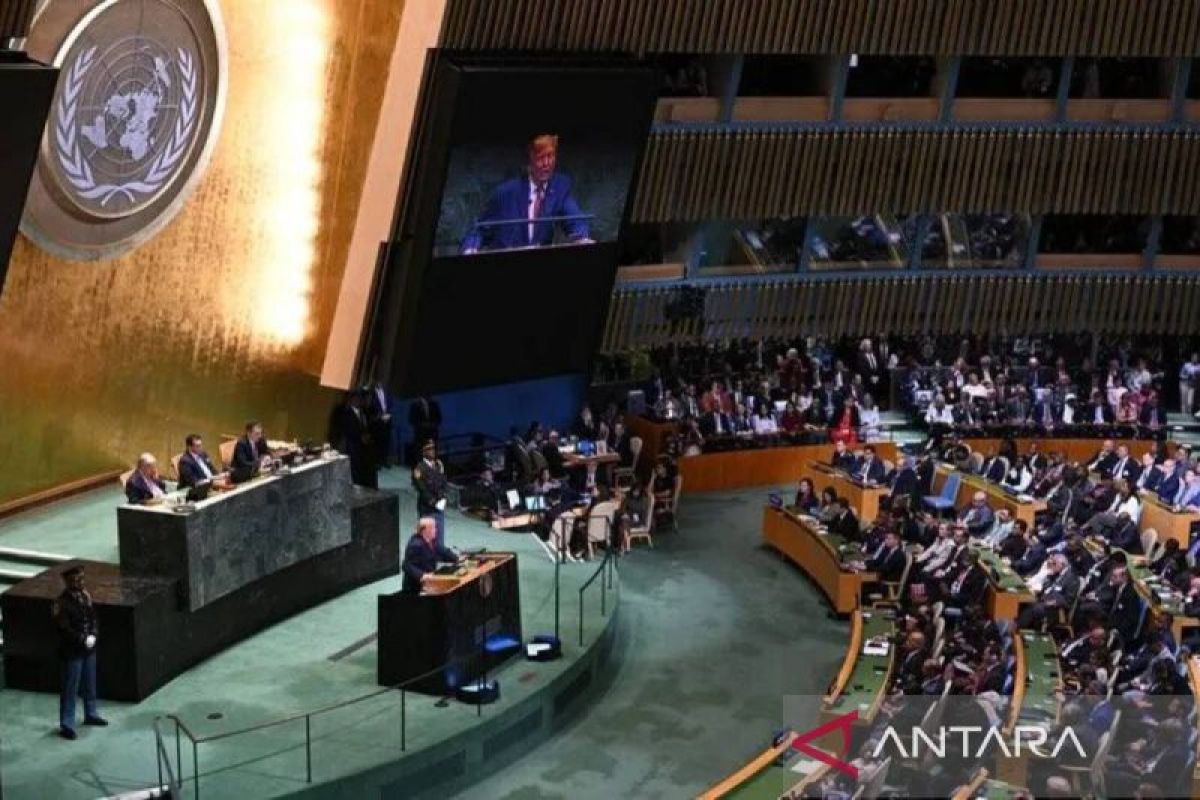
Beirut (ANTARA) - Sudanese Foreign Minister Mohieldin Salem stated that the United States’ refusal to issue a visa for the Chairman of the Sudanese Transitional Sovereignty Council, Abdel Fattah al-Burhan, to attend the UN General Assembly contradicts international norms.
He also considers the refusal of the Sudanese leader’s presence to be a violation of the UN Headquarters Agreement. According to information on the official website of the international organisation, the agreement was signed by the US government and the UN on 26 June 1947.
The agreement mandates that the US provide visas free of charge and as promptly as possible for representatives of member states, as well as UN officials, recognised specialised agencies, and their families.
“The visa refusal for Abdel Fattah al-Burhan, as Chairman of the Transitional Sovereignty Council, to attend the General Assembly session is a form of violation of international law and treaties,” Salem asserted during the UN General Assembly session in New York.
The 81st session of the UN General Assembly opened on 8 September 2026, with a series of general debates scheduled for 22-28 September.
In a statement released by the Sudanese Ministry of Foreign Affairs on Monday (28/9), Salem also highlighted the urgency of ending foreign interference and the supply of weapons to the Rapid Support Forces (RSF) paramilitary group. He called for the immediate disarmament of the rebel group.
He emphasised that Sudan remains open to various constructive initiatives aimed at ending the war and achieving a just and sustainable peace.
The conflict between the RSF and the Sudanese Armed Forces has been ongoing since the spring of 2023. The Sudanese military managed to retake the capital, Khartoum, in 2025. However, the rebel group has intensified its attacks in the southern and western regions of the country, particularly in Darfur and Kordofan. They even announced the formation of their own government in various areas under their control in April 2025.
To date, both sides continue to exchange accusations regarding the killing of civilians during the armed conflict.