
Success of Self-Sufficiency Programmes Depends on Environmental Sustainability
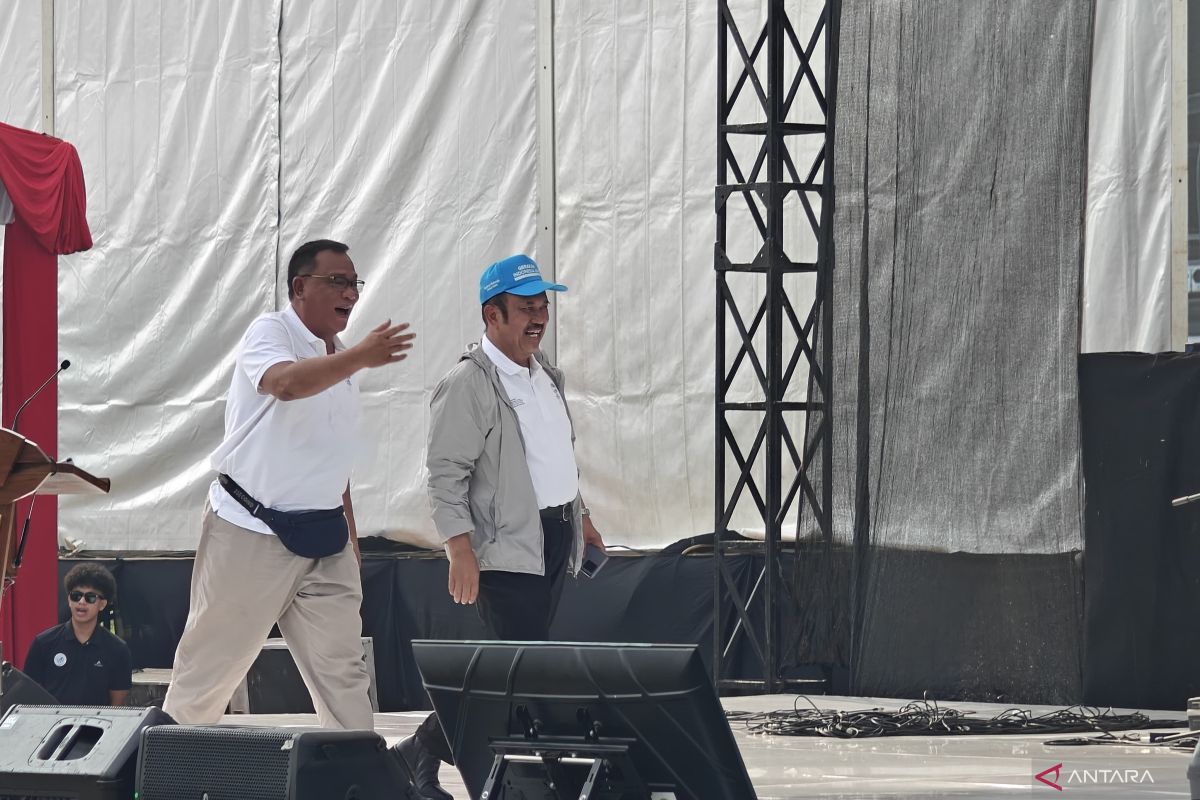
Jakarta (ANTARA) - The Minister of National Development Planning (PPN)/Head of the National Development Planning Agency (Bappenas), Rahmat Pambudy, has asserted that the government’s strategic programmes regarding food, water, and energy self-sufficiency will not be achievable if environmental sustainability is not properly maintained.
“The President has very concrete programmes: food, water, and energy self-sufficiency. These programmes cannot be completed if the environment is not protected,” he stated during the peak event of World Environment Day, themed “Gerakan Indonesia Asri: Time to Work for Climate Justice,” held at the Cibubur Camping Ground, Jakarta, on Saturday.
According to the Minister, environmental issues are not merely sectoral concerns but encompass the nation’s past, present, and future timelines. Consequently, the success of the ministry he leads in planning national development is heavily dependent on the success of technical ministries in maintaining natural ecosystems, particularly the Ministry of Environment.
He explained that tactical steps to resolve environmental issues in Indonesia essentially focus on three main aspects: the restoration of soil health, the cleaning of river areas, and the purification of marine regions. “Solving the environmental issues in Indonesia requires just three things: healthy soil, clean rivers, and clear seas free from waste,” he said.
Rahmat expressed full support for the approach of the Minister of Environment, Jumhur Hidayat, who emphasises that resolving environmental issues must be achieved through a movement involving the active and consistent participation of all elements of society, rather than being merely ceremonial.
On this occasion, the Head of Bappenas also invited all stakeholders and the public to mobilise a larger movement to support the Ministry of Environment’s performance in addressing increasingly complex ecological challenges, including waste management. According to the Ministry of Environment, Indonesia currently produces up to 51 million tonnes of waste annually, yet 74 per cent of this is not managed optimally, with the majority accumulating in landfills using open dumping methods.
This unsegregated waste cycle is triggering an environmental emergency, as it releases methane gas, which is 30 times more destructive than carbon dioxide (CO2), thereby exacerbating hydrometeorological disasters in coastal regions inhabited by 60 per cent of the population. “I, from the Ministry of National Development Planning, can only succeed if the other ministers also succeed. And one of the most important to succeed is the Minister of Environment,” Rahmat concluded.