
Subsidised Home Sales Drop 24%, Multiple Factors Blamed Including SLIK
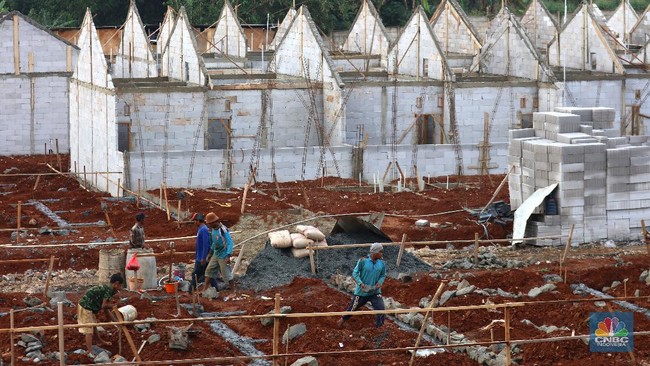
Jakarta, CNBC Indonesia - Sales of subsidised homes in the first half of 2026 experienced a significant decline compared to the same period last year. Developers believe this slowdown was triggered by a combination of supply-side issues and the weakening ability of the public to purchase homes.
The newly appointed Chairman of the Indonesian Housing and Settlement Developers Association (APERSI), Deddy Indrasetiawan, revealed that the realisation of subsidised home sales throughout the first half of 2026 was recorded at 91,531 units. This figure fell compared to the first half of 2025, which reached 120,976 units, marking a 24.3% year-on-year (yoy) decline.
“Based on the realisation data comparing the first semester of 2025 with the first semester of 2026, it fell from 120,976 to 91,531. Experiencing a 24.3% yoy decline,” Deddy told CNBC Indonesia on Tuesday (21/7/2026).
The decline was not triggered by a single factor. Several challenges emerged simultaneously, suppressing the realisation of construction and sales of subsidised homes in various regions.
“There are several causes for the decline in realisation, namely a slowdown from the supply side due to licensing constraints, rising material prices, and land availability due to the LSD policy,” said Deddy.
In addition to supply issues, pressure also came from the demand and financing side. These conditions made it increasingly difficult for low-income communities to realise home purchases, while the project development process also faced cost and infrastructure challenges.
“The public’s purchasing power has not yet recovered, the credit approval process is hampered by SLIK, government policy adjustments, rising construction costs, and delays in the construction of supporting infrastructure are also causes of the decline,” he explained.
Although the decline was recorded cumulatively in the first semester, Deddy noted that the market weakening did not occur from the beginning of the year. The slowdown trend became more visible after entering the middle of the year.
“The slowdown was felt entering the second quarter and became more pronounced at the end of the first semester,” Deddy stated.