
Subsidised Fuel Prices Unchanged, Bahlil Details How to Cover State Budget Burden
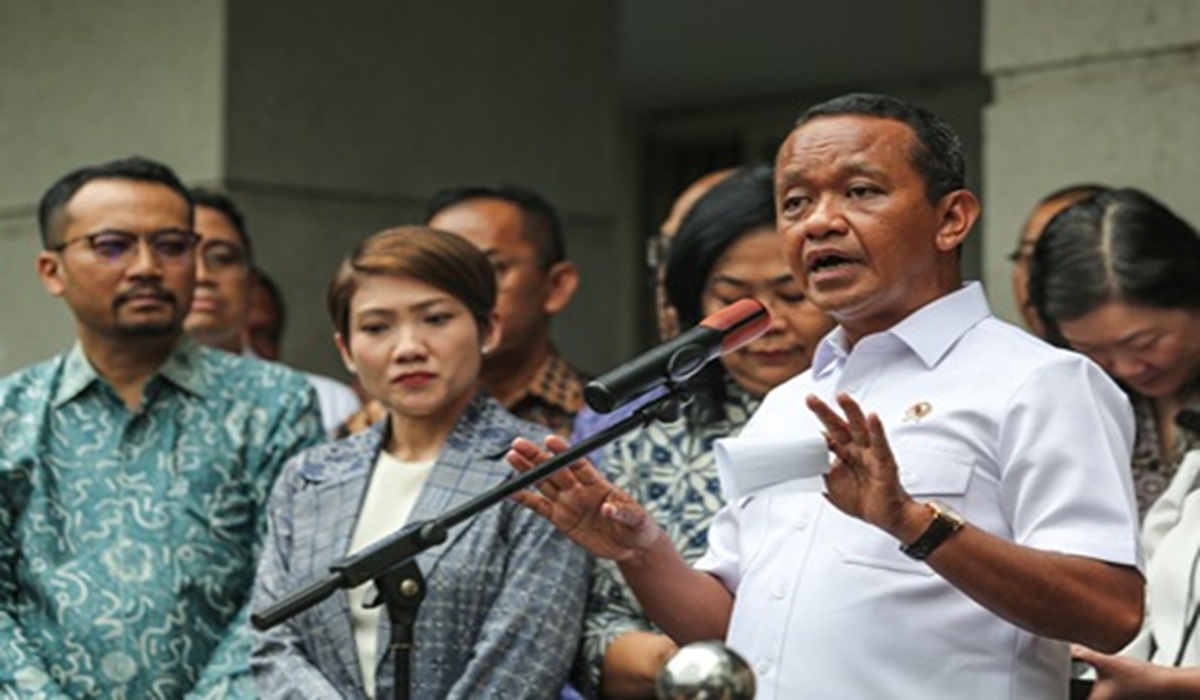
Minister of Energy and Mineral Resources (ESDM) Bahlil Lahadalia has revealed the government’s strategy to hold down the price of subsidised fuel (BBM) amid global geopolitical turmoil. “I explained how to find money to cover the additional subsidy. People always say, ‘Oh, the state finances will be eroded later,’” Bahlil said in Jakarta on Thursday (25/6). He detailed that in the 2026 State Budget (APBN), total fuel subsidies amount to approximately Rp200 trillion, based on an Indonesian Crude Price (ICP) assumption of US$70 per barrel. Under this assumption, the state also receives revenue of US$10.8 billion. “If the ICP rises to US$100 (per barrel), our revenue becomes US$17.6 billion. If the ICP is at US$90, state revenue is US$14.3 billion,” Bahlil explained. With an ICP of up to US$100 per barrel, he continued, the state would need to increase subsidies by roughly Rp230 to Rp250 trillion. “The next question is, why don’t we raise subsidised fuel prices? Where does the money come from?” Bahlil asked. Firstly, he explained, when the ICP rises to US$100 per barrel, the state receives additional revenue of around US$7 billion, or approximately Rp120 to Rp125 trillion (assuming an exchange rate of Rp17,500 per US dollar). “What does that mean? From the (additional subsidy requirement of) Rp250 trillion, we have already secured 50 percent from the increase in lifting revenue. Then I racked my brains again, how to get additional income?” Bahlil said. The method, he continued, is for the government to increase several mining sector royalties, including nickel royalties, coal royalties, and several other sectors. From this, Bahlil stated, the state could gain additional revenue of around Rp30 to Rp35 trillion. “So, it means that around Rp160 trillion of the total assumed increase in our subsidies, which is roughly Rp230 to Rp250 trillion, has already been obtained from the ESDM sector. The remainder will be covered by efficiency measures. This is actually the key,” he clarified. Bahlil said that holding down subsidised fuel prices does burden state finances. However, he noted, the government must consider the fate of lower economic groups.