
Subsidised Fertiliser Uptake in Eastern Indonesia Rises 125%, Stocks Remain Secure
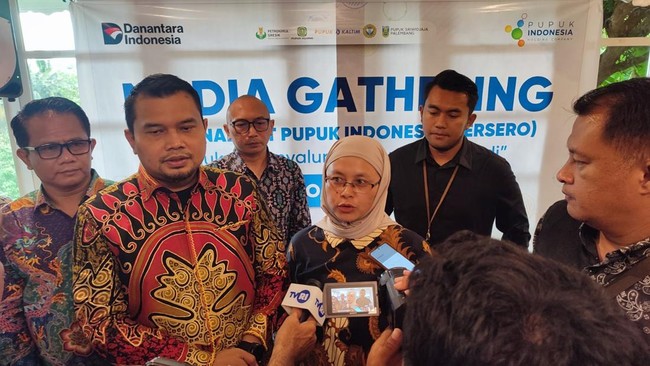
Jakarta, CNBC Indonesia - Regional CEO 4 of PT Pupuk Indonesia (Persero), Wisnu Ramadhani, stated that as of 14 April 2026, the redemption of subsidised fertiliser by Pupuk Indonesia in eastern Indonesia reached 332,255 tonnes. This figure represents a 125% increase compared to the same period in 2025.
“Pupuk Indonesia continues to strive to ensure that the distribution of subsidised fertiliser remains stable amid global geopolitical challenges,” he said, quoted on Monday (20/4/2026).
This is due to Pupuk Indonesia’s capability to produce urea fertiliser, with supplies of domestic natural gas as raw material, as well as strategies for diversifying other fertiliser raw material sources obtained from countries outside conflict zones.
The increase in subsidised fertiliser redemption in eastern Indonesia, he added, is inseparable from the simplification of fertiliser distribution regulations implemented by the government through Presidential Regulation (Perpres) No. 6 of 2025. In fact, the government lowered the Highest Retail Price (HET) for subsidised fertiliser by 20% since 22 October 2025.
Additionally, in 2026, the government also provided allocations of subsidised fertiliser for the fisheries sector. This provides even better access to fertiliser for registered farmers.
Furthermore, he assured that stocks of subsidised fertiliser in eastern Indonesia are in good condition. These fertilisers are ready to be redeemed by registered farmers according to the allocation.
Pupuk Indonesia also ensures that Recipients of Fertilisers at Delivery Points (PPTS) or kiosks/retailers will serve registered farmers in accordance with the HET set by the government.
“Stocks (of subsidised fertiliser) are in more than sufficient condition. According to our data, the stocks in the warehouses can meet farmers’ needs for the next four to five weeks,” Wisnu added.
Pupuk Indonesia also called for combating false information or hoaxes, particularly related to subsidised fertiliser, to avoid misunderstandings in society.
“It is hoped that the company’s programmes can be well conveyed to the public,” he concluded.