
Subsidised biosolar for logistics transport must be properly targeted
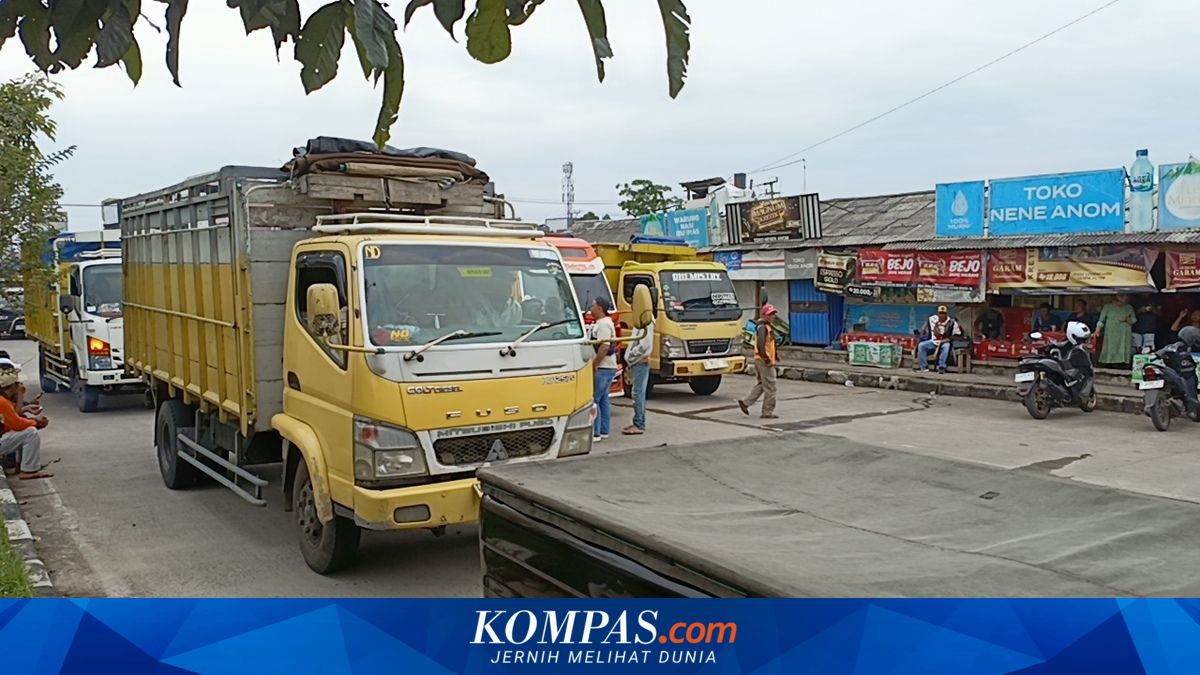
Amid rising prices of solar diesel fuel, truck operators hope the distribution of subsidised biosolar remains well targeted, especially for the logistics sector. Fuel costs are among the largest components of the operating expenses of freight transport. Gemilang Tarigan, the chairman of the Indonesian Trucking Entrepreneurs Association (Aptrindo), said that essentially truck operators do not object to the government adjusting the price of solar.
To us, truck operators do not mind if the price of solar is raised, he said at Aptrindo’s III General Conference in Jakarta on Wednesday (20 May 2026).
Tarigan explained that fuel costs constitute a very large portion of trucking operations. Therefore, changes in biosolar prices will directly affect logistics distribution costs. If logistics costs rise, distribution costs for goods will also rise and ultimately impact the prices of goods for the public.
But what we are worried about is that fuel is increased because its share in operations is almost 30-40 percent. The impact will be felt by service users, or the public, in price increases—this is what we fear, he said.
Therefore we recently held discussions with BPH Migas that logistics transport will continue to receive adequate fuel through a system that is dedicated to us.
Under this scheme, operators hope logistics vehicles will continue to obtain subsidised biosolar in line with operational needs, so that goods distribution is not disrupted.
According to him, the mechanism requires subsidy disbursement to be strictly supervised to ensure it is targeted. Because biosolar currently costs Rp 6,800, while Dexlite diesel is Rp 20,000–Rp 30,000, there is a wide gap. It must be ensured that this subsidised solar is properly targeted.