
Subsidies Buy Time, While Self-Sufficiency Reduces Spending
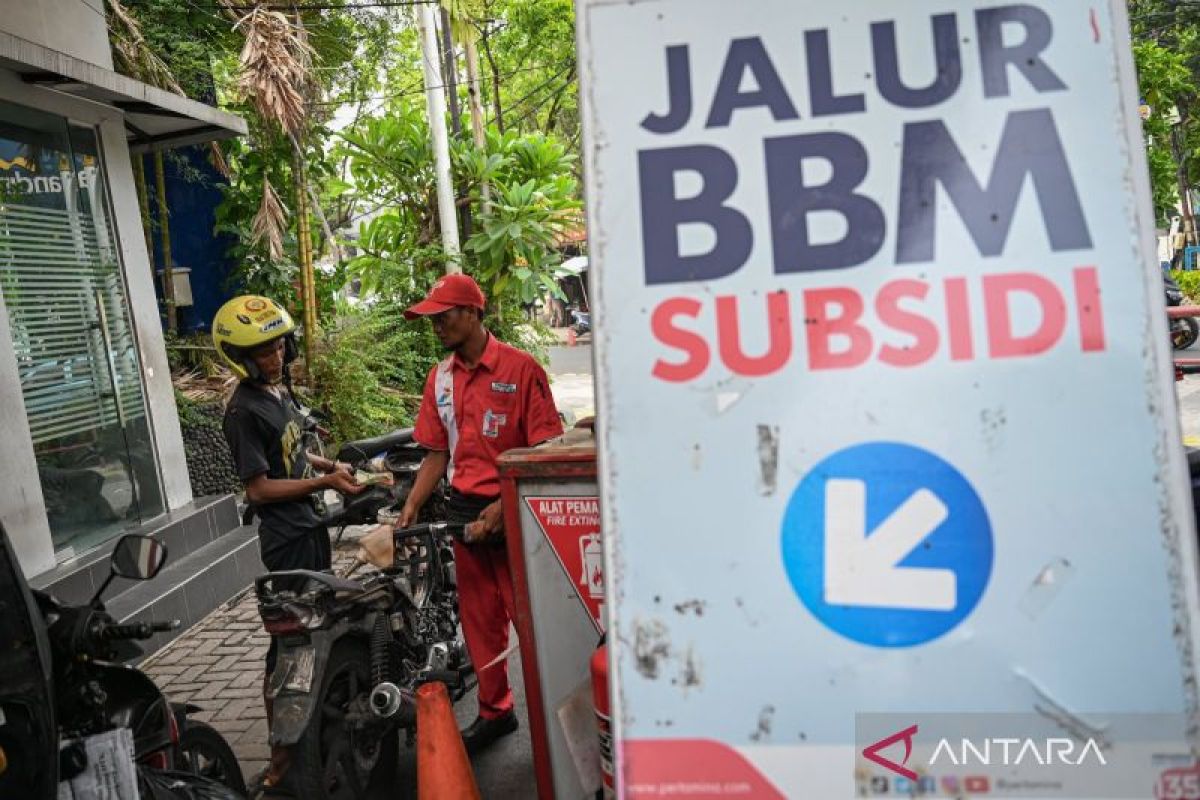
Jakarta (ANTARA) — The price of subsidised fuel has remained unchanged throughout 2026 despite rising global oil prices, with the cost borne by state funds. What that money is really buying, however, is time.
By the end of the first half of 2026, subsidy and compensation spending had reached Rp233 trillion, or 52.1 per cent of the allocation in the state budget. At the 2026 National Energy Forum in Jakarta on Wednesday (25 November), Government Communications Agency Head Syahganda Nainggolan said President Prabowo Subianto did not see cheap energy as an end in itself. Instead, the President was pursuing energy self-sufficiency, alongside food and water security.
The two goals may appear to contradict one another, but in practice they work in sequence. Subsidies cushion households from price shocks today. Self-sufficiency reduces the amount of energy that must be bought from abroad, so that future shocks will not be as severe.
The scale of Indonesia’s dependence was outlined at the same forum by Hatta Rajasa, Deputy Chair of the Presidential Advisory Council. National oil consumption is between 1.6 million and 1.8 million barrels a day, while lifting stands at just 605,300 barrels a day. As a result, crude oil imports amount to between 1 million and 1.2 million barrels a day.
Hatta warned that imports on this scale drain foreign exchange reserves and also affect the rupiah’s value. This means every imported barrel carries two sources of volatility: global oil prices and the rupiah exchange rate.
Both risks have materialised at the same time this year. Iran closed the Strait of Hormuz in response to joint US and Israeli attacks that began in late February. The impact was immediate: the Energy and Mineral Resources Ministry said Indonesia had lost 25 per cent of its oil import supply because of the Middle East war.
The Government responded by redirecting oil and LPG imports from the Middle East to countries unaffected by the closure of the strait. Syahganda said the Strait of Hormuz had, at its peak, lost as much as 16 million barrels a day in flows, sending turmoil through prices worldwide.
The state budget has absorbed the resulting price surge. The 2026 energy subsidy allocation was set at Rp210.1 trillion. Spending has been driven higher by fluctuations in crude oil prices, movements in the rupiah exchange rate, and increased consumption of subsidised fuel, three-kilogram LPG cylinders and subsidised electricity. Hatta put the annual energy subsidy burden at Rp203.4 trillion, including Rp87 trillion for three-kilogram LPG and Rp26.7 trillion for fuel.
Source: jawawa.id (https://jawawa.id/newsitem/subsidies-buy-time-while-self-sufficiency-reduces-spending-1795683447)
Originally published by Antara (Indonesian) (https://www.antaranews.com/berita/5879935/subsidi-membeli-waktu-kemandirian-mengurangi-belanja), translated from Indonesian