
Subeng Bali: Traditional Jewellery Adapts to Modern Times
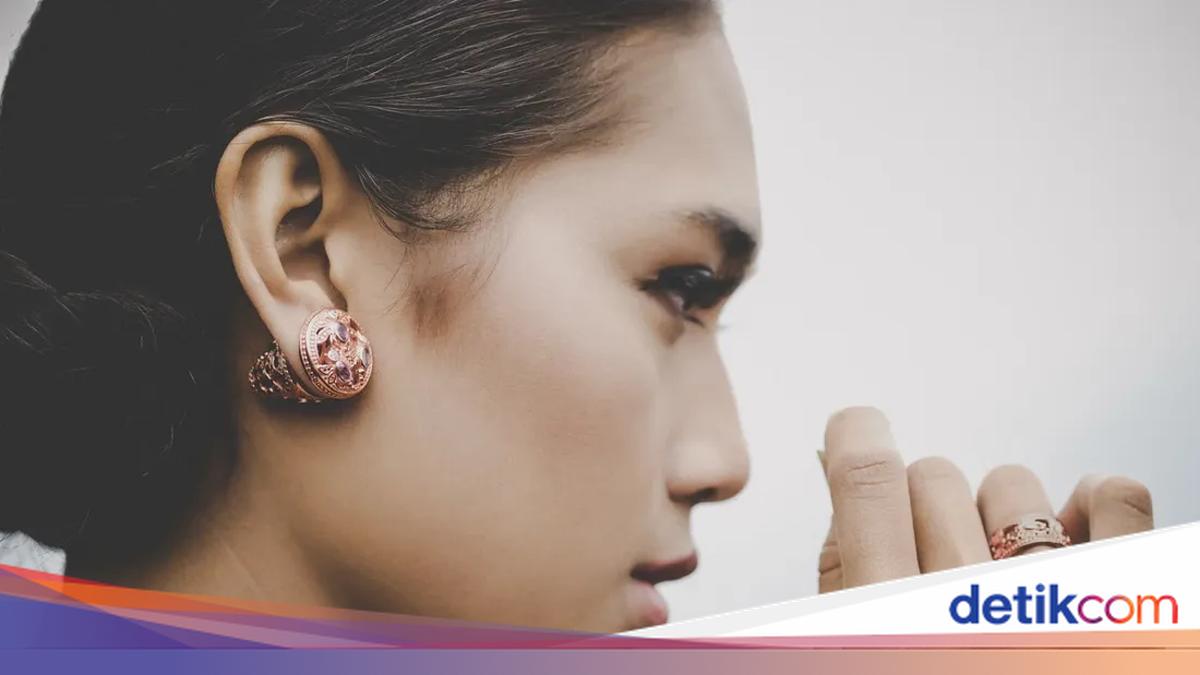
Subeng has once again attracted attention. The traditional Balinese ear ornament, once closely associated with customary ceremonies, is now appearing in more compact designs. It is adapting to an era in which young people do not necessarily want to wear large ornaments on their earlobes.
Understanding Subeng and Its Meaning
Subeng is a traditional Balinese ornament worn on the earlobe. It can take the form of a tube, a flat disc or an ornament resembling a trumpet. Its shape varies according to the region and the purpose for which it is worn.
Subeng is one of the accessories worn as part of Balinese ceremonial dress, or payas Bali. It is often paired with a gelang kana bracelet, a sabuk bebekeng belt and sesimping. Women typically wear subeng at religious ceremonies, as dancers or when getting married.
Subeng is more than just jewellery. In ceremonial contexts, the ear ornament signifies readiness to listen to sacred sounds, as well as the resolve not to be influenced by hurtful words while dancing.
For brides, subeng is also often understood as a symbol of harmony between knowledge and conduct. This meaning is intended to help couples maintain good behaviour, control their egos and build a happy household.
Shapes and Materials
Traditional subeng is often made from gold, silver, brass or silver plated with gold. Some traditions also feature subeng janur and subeng cili, made from rolled young coconut leaves.
Changing times have brought variations in materials and size. Contemporary subeng can now be made using copper, brass, pearls and mother-of-pearl, and is smaller for greater comfort in everyday wear.
Popular with Younger Generations
Young people’s interest in Indonesian heritage jewellery has brought renewed attention to subeng. This time, however, they tend to favour more practical designs and smaller sizes that can still be paired with everyday clothing.
Jewellery makers say young buyers generally choose subeng made from copper or brass, priced at around Rp200,000 to Rp800,000. Classic silver jewellery for formal occasions, meanwhile, typically costs between Rp2 million and Rp8 million.
Opportunities for Artisans
Subeng’s resurgence is creating new economic opportunities for craftspeople, silversmiths and jewellery designers. Demand for a range of products, from customary jewellery to fashion accessories, is encouraging production across different price points and materials.
Online sales are also expanding the market beyond Bali. Artisans’ work can now reach consumers in various regions, including Greater Jakarta, while retaining its handmade character.
A Heritage That Continues to Evolve
Subeng shows that cultural heritage need not remain frozen in its old form. It can evolve from a ceremonial object into a means of self-expression, a creative product and a source of livelihood.
As long as its values, philosophy and craftsmanship are preserved, subeng can continue to thrive amid changing times. This small piece of jewellery is proof that Balinese tradition can adapt without losing its identity.
Source: jawawa.id (https://jawawa.id/newsitem/subeng-bali-traditional-jewellery-adapts-to-modern-times-1793944217)
Originally published by detikBali (https://www.detik.com/bali/budaya/d-8740703/subeng-bali-perhiasan-tradisional-yang-beradaptasi-dengan-zaman), translated from Indonesian