
Study: Rice Crops Threatened by Inability to Adapt to Rising Global Temperatures
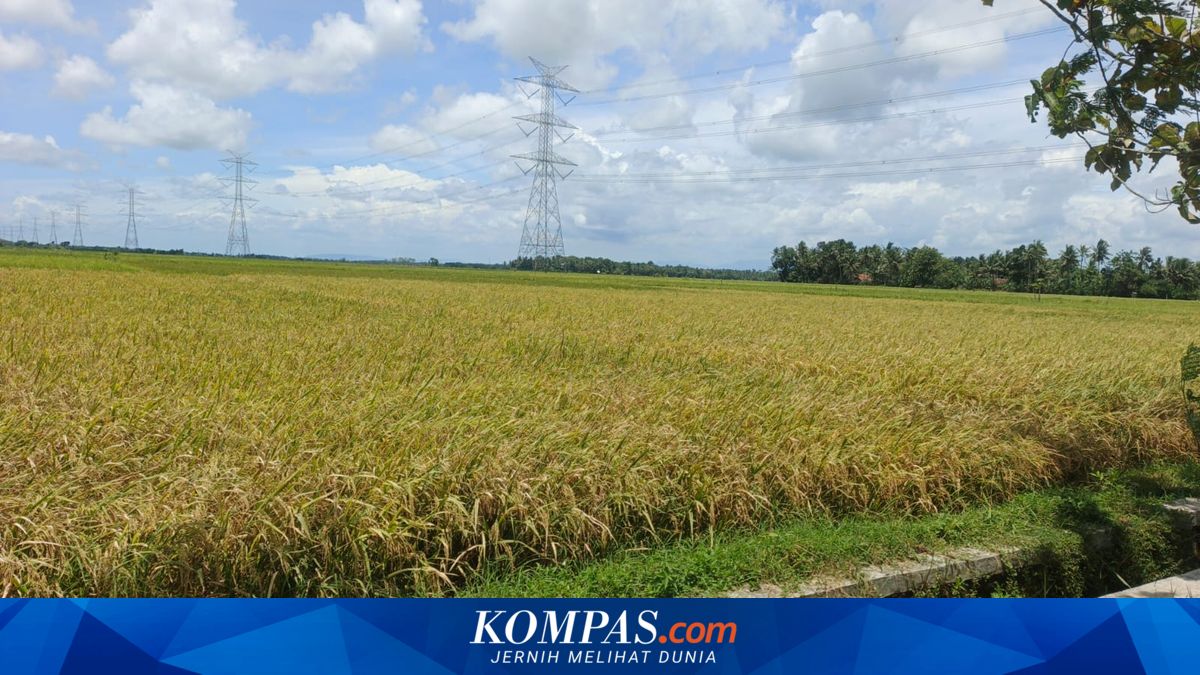
The threat of a global food crisis is becoming increasingly real following a recent study revealing that current global warming is progressing 5,000 times faster than the ability of rice plants to evolve. This condition is pushing major rice-producing regions into extreme environmental situations, with air temperatures far exceeding the cultivation limits seen in the last 9,000 years of human agricultural civilisation.
Recent research published in the journal Communications Earth & Environment indicates that rice plants are likely reaching their ‘thermal limit’. This is a critical tipping point where plants can no longer easily adapt to massive temperature increases. This was highlighted by the study’s lead author, Nicolas Gauthier, an anthropologist and geographer at the Florida Museum of Natural History.
‘We do not want to underestimate human adaptive flexibility,’ Gauthier told Live Science. ‘However, we also want to acknowledge that this adaptation has occurred, and in some cases, we may already be approaching the limits of our ability to adapt reasonably within such a timeframe.’
Rice serves as a staple food for more than half of the world’s population, with 90 per cent of total cultivation located in Asia. According to World Economic Forum data, several rice-producing regions are already being hit by extreme heatwaves that directly erode crop yields. Although rice is known to prefer warm environments, the commodity has rigid tolerance limits. The photosynthesis process in rice plants ceases immediately when temperatures reach approximately 40 degrees Celsius (104 degrees Fahrenheit).
Beyond halting growth, excessive heat can damage pollen viability and disrupt grain development. In addition to temperature issues, rice is a highly water-intensive crop. Consequently, the shifting and unpredictable rainy and dry seasons caused by climate change present a major problem. This situation is exacerbated by rising sea levels, which trigger saltwater intrusion into lowland paddy fields, potentially killing the crops.
In this study, Gauthier and his team collected historical climate data from archaeological sites containing evidence of rice cultivation spanning nearly a millennium. They found that throughout history, rice-growing regions have frequently expanded into cooler areas, as humans successfully bred cold-tolerant rice varieties and continuously adjusted their agricultural practices.