
Study Reveals Sugar Consumption Patterns in Indonesia Linked to Diabetes Risk
Jakarta, CNBC Indonesia — New research by IPB University’s SEAFAST Center has revealed several findings about sugar consumption patterns in Indonesia, including the main sources of sugar intake and differences by sex, age and place of residence.
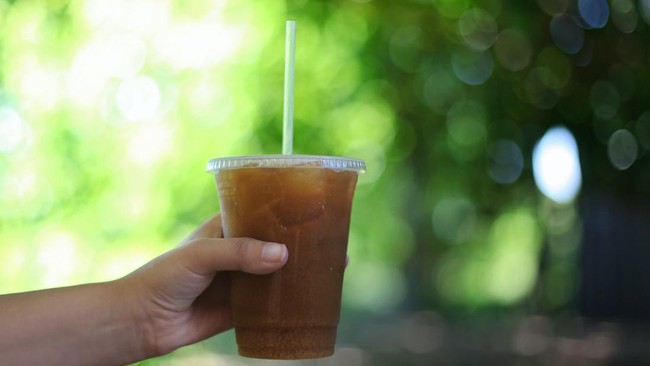
One finding was that more than half of respondents’ sugar intake came from food and drinks prepared at home, such as sweet tea, sweet coffee and kolak, rather than packaged drinks. The study, titled “Sugar Intake from Various Food and Beverage Sources Among the Indonesian Population: A Cross-Sectional Study”, was published in the scientific journal BMC Nutrition in 2026.
The study’s lead researcher, nutrition and health expert Dr Mira Dewi, said the findings showed the significant role households play in shaping sugar consumption patterns in Indonesia.
“What is most interesting in these data is that half — the largest share — of the sugar comes from the kitchen, from home,” Mira said at a dissemination event on sugar intake in Indonesia in Jakarta on Thursday (26 November 2026).
The study was conducted from September to December 2023 and involved 1,202 respondents aged 15 to 55 in 17 cities and 13 regencies across 10 of Indonesia’s most populous provinces. It found that respondents consumed an average of 30.61 grams of sugar per person per day, accounting for 5.7% of total daily energy intake.
That figure remains below the Health Ministry’s recommended limit of 50 grams per person per day. The World Health Organization recommends that free sugars make up less than 10% of total daily energy intake. Nevertheless, some groups still consume excessive amounts of sugar.
“Of the 1,202 respondents we surveyed, one in six — or 17.2% — consumed more than the recommended amount, exceeding 50 grams a day,” Mira said.
The study’s breakdown of sugar intake by source was as follows:
Food and drinks prepared at home: 51.8%
Non-packaged sweetened drinks consumed outside the home: 19.8%
Packaged sweetened drinks: 13.4%
Non-packaged food: 8.5%
Packaged food: 6.6%
The five largest sources of sugar in food and drinks prepared at home were sweet tea, sweet coffee, mung bean porridge, banana kolak and homemade fruit juice.
“With fruit juice, people usually do not just blend the fruit; they add sugar to make it sweet,” Mira said.
She said the findings showed that education on controlling sugar consumption should target households, including homemakers and prospective mothers. Another notable finding was that respondents in rural areas consumed more sugar than those in urban areas.
Average daily sugar consumption among rural respondents was 32.9 grams, compared with 29.3 grams in urban areas. Men also consumed more sugar than women, at 35.3 grams and 26.2 grams a day respectively.
Although the study found no significant difference in the amount of sugar consumed across age groups, the sources of sugar differed. Teenagers aged 15 to 18 obtained more of their sugar from food and drinks bought outside the home. By contrast, adults aged 30 to 49 got more sugar from food and drinks prepared at home.
Sugar Consumption and Diabetes Risk
SEAFAST Center head Puspo Edi Giriwono said sugar consumption was not the only factor to consider in preventing diabetes. Excessive calorie intake overall can also increase the risk of overweight and obesity, which are associated with type 2 diabetes.
“Diabetes does not develop by tomorrow. It takes a long time; it is a chronic disease,” Puspo said.
Mira likewise said diabetes is influenced by several factors, including genetics, insufficient physical activity and excessive sugar consumption. “Sugar is one trigger among many,” she said.
Although respondents’ average sugar intake remained below the recommended limit, Mira cautioned against complacency. The study was cross-sectional, meaning it described conditions during a particular period and could not show how sugar consumption patterns had changed over time.
“This does not mean that because the figure is still within a safe range, nothing needs to be done. That is not the case. We need to look over time and examine the trends,” she said.
Mira also called for stronger education on sugar consumption, not only for the public but also for sellers of non-packaged food and drinks, from street vendors to café operators.
Source: jawawa.id (https://jawawa.id/newsitem/study-reveals-sugar-consumption-patterns-in-indonesia-linked-to-diabetes-risk-1795697445)
Originally published by CNBC Indonesia (https://www.cnbcindonesia.com/lifestyle/20261126155144-33-788796/studi-ungkap-fakta-konsumsi-gula-warga-ri-yang-picu-diabetes), translated from Indonesian