
Study Reveals Major Challenges Behind B50 Implementation
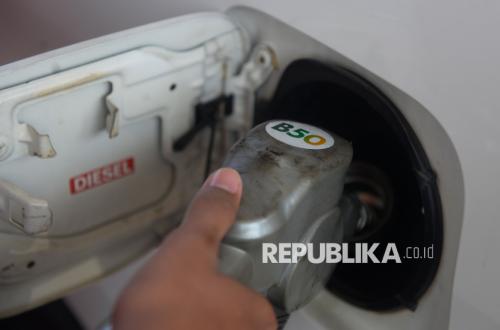
The implementation of the B50 biodiesel mandate is considered to have the potential to strengthen national energy security. However, the success of this policy depends on governance reforms capable of balancing energy, economic, social, and environmental aspects.
Tommy Ardian Pratama, Executive Director of Traction Energy Asia, stated that the application of B50 is not merely about increasing the biodiesel blend, but also involves various consequences that must be accounted for, ranging from fiscal burdens and carbon debt to potential engine damage and net social benefits. “This study aims to see how biodiesel policy can be implemented sustainably by finding a common ground between energy, economic, social, and ecological aspects,” said Tommy during a Strategic Discussion in Jakarta on Thursday (30/07/202<0xA0>6).
Tommy explained that the study, titled ‘Is B50 Worth It? The Cost of Indonesia’s Biodiesel Mandate, and the Reforms That Could Change the Answer’, shows that there are various costs and consequences of B50 implementation that have not been fully accounted for. These findings align with a separate study conducted by LPEM at the Faculty of Economics and Business, University of Indonesia, regarding the economic impact of B50 implementation.
According to Tommy, biodiesel policy requires strengthened governance because current implementation relies heavily on decisions from the Minister of Energy and Mineral Resources. He believes that regulatory strengthening is necessary to ensure long-term policy certainty.
Tommy added that governance reform should also include the involvement of independent palm oil smallholders in the supply chain, the diversification of biodiesel raw materials through the use of used cooking oil, and the strengthening of institutions managing the biodiesel programme.
Representing the Deputy for Coordination of Energy and Mineral Resources at the Coordinating Ministry for Economic Affairs, Elen Setiadi, Andi Novianto stated that B50 implementation is part of the government’s strategy to strengthen national energy security amidst global geopolitical dynamics and fluctuations in world oil prices.
According to Andi, B50 implementation still faces several challenges, ranging from raw material availability and the readiness of distribution infrastructure to the sustainability of funding through the Palm Oil Fund Management Agency (BPDP). “Moving forward, it is necessary to increase palm oil productivity, regulate CPO quotas, diversify biodiesel raw materials, and strengthen infrastructure so that B50 implementation can run sustainably,” said Andi.
Meanwhile, Yayan Satyakti, a lecturer at the Faculty of Economics and Business, Padjadjaran University, stated that the success of biodiesel policy cannot be determined solely by biodiesel blend targets. According to him, success also depends on the institutions managing funding, incentives, and the biodiesel supply chain. “Increasing the biodiesel blend must be accompanied by increased productivity, technological readiness, institutional strengthening, and regulatory certainty. This is essential to support long-term energy security,” said Yayan.