
Study Reveals Blood Type Linked to Higher Diabetes Risk
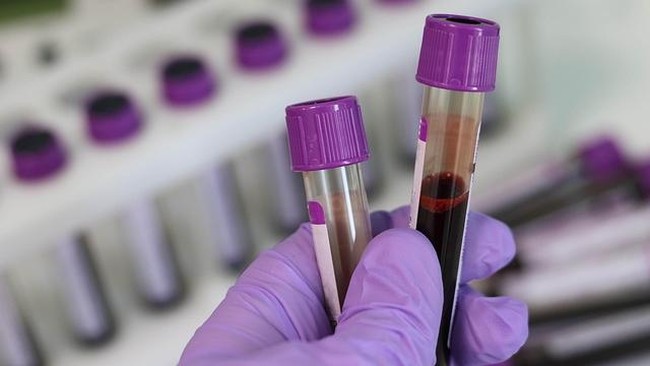
Jakarta, CNBC Indonesia – Research has found that people with blood type B have an approximately 28% higher risk of type 2 diabetes than those without blood type B. However, diet, body weight and physical activity remain more significant risk factors.
According to Science Alert, blood type may be relevant not only to transfusion compatibility but also to the risk of certain diseases. A review of research found that people with blood type B, whether Rh-positive or Rh-negative, face a higher risk of type 2 diabetes than people with other blood types.
The findings, published in the journal BMC Medicine, indicate an average increase in risk of around 28%. The researchers emphasised that the association is relatively small and does not mean that everyone with blood type B will develop diabetes.
Reviewing hundreds of links between blood type and disease
The findings come from a large review led by epidemiology researchers headed by Fang-Hua Liu of Shengjing Hospital, China Medical University.
The researchers assessed 51 systematic reviews covering 270 associations between ABO and Rhesus (Rh) blood groups and various health conditions.
They examined the strength of the evidence, consistency between studies, sample sizes and potential bias to determine whether the associations were more than chance findings.
The link between blood type B and type 2 diabetes was the only finding to meet the highest evidence standard in the analysis.
Although promising, the results show an association, not proof that blood type B directly causes type 2 diabetes.
Lifestyle risks are greater
The researchers stressed that the 28% increase in risk is still smaller than that associated with several established risk factors.
An unhealthy diet, excess body weight and insufficient physical activity all play important roles in increasing the risk of type 2 diabetes.
Blood type should therefore not be the sole basis for assessing a person’s likelihood of developing the disease.
The research has also not established the biological mechanism behind the association between blood type B and type 2 diabetes. Another study in 2025 suggested that the gut microbiome may play a role, but this finding requires further research.
Blood type B does not determine whether someone develops diabetes
Human blood groups are classified according to antigens on the surface of red blood cells. The ABO system comprises groups A, B, AB and O, while the Rhesus factor determines whether a blood group is positive or negative.
These differences have previously been linked to a number of health conditions, although not all reported associations have been supported by strong evidence.
The latest findings add to understanding of the possible relationship between blood type and health. Nevertheless, people with blood type B need not be unduly concerned.
Maintaining a balanced diet, exercising regularly, keeping to a healthy weight and having health checks as appropriate remain important steps in helping to reduce the risk of type 2 diabetes.