
Study Reveals 12 Fruits and Vegetables with the Highest Pesticide Content
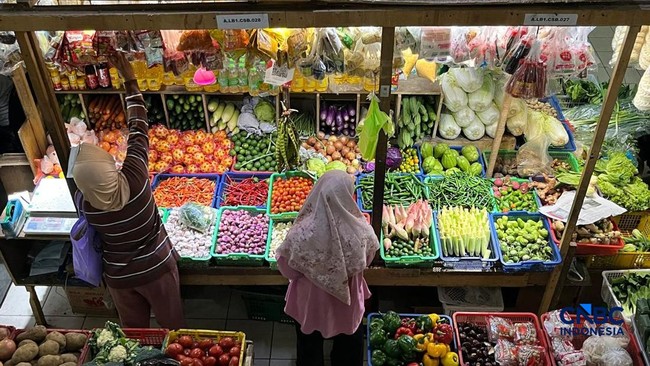
Many health experts encourage us to eat vegetables and fruit regularly. As well as being healthy, research suggests that consuming fruit and vegetables also makes life happier.
Nevertheless, some fruits and vegetables sold in the market have been found to contain high levels of pesticides. The Environmental Working Group (EWG) has previously released its ‘Dirty Dozen’ list, a group of twelve fruits and vegetables with the highest pesticide residue levels.
Pesticides are substances commonly used in agriculture to protect crops from damage caused by insects, weed pressure and disease.
The EWG analysed more than 46,569 samples from 46 fruits and vegetables, collected by the USDA and the FDA, to identify the worst offenders.
Although the EWG claims the list can help consumers avoid unnecessary pesticide exposure, some experts, including food scientists, argue that the list actually discourages people from eating healthy food.
Many experts believe that sustained pesticide exposure, even in small doses, can accumulate in the body over time and lead to chronic health conditions.
There is also concern that the safety limits set by regulators do not take into account the health risks associated with consuming more than one pesticide at a time.
It is therefore important to know which fruits and vegetables are the right ones to choose in order to reduce pesticide exposure.
The following is the list of ‘dirty’ fruits and vegetables with pesticide residues, as reported by Healthline:
Strawberries: Strawberries consistently top the Dirty Dozen list. In 2023, the EWG found that 30% of all strawberry samples contained ten or more pesticide residues.
Spinach: 76% of spinach samples contained pesticide residues, including permethrin, a neurotoxic insecticide that is highly toxic to animals.
Kale, mustard greens and collard greens: 86% of all leafy green vegetable samples were found to contain two or more pesticide residues, including the neurotoxins imidacloprid, bifenthrin and cypermethrin.
Peaches: More than 99% of peaches tested by the EWG contained pesticide residues, with 65% containing at least four residues.
Pears: More than 63% of pears tested by the EWG contained residues of five or more pesticides.
Nectarines: The EWG detected residues in almost 94% of nectarine samples, with one sample containing more than 15 different pesticide residues.
Apples: The EWG detected pesticide residues in 90% of apple samples. Moreover, 80% of the apples tested contained traces of diphenylamine, a pesticide banned in Europe.
Grapes: Conventional grapes are a staple of the Dirty Dozen list, with more than 96% testing positive for pesticide residues.
Sweet peppers and chillies: Sweet peppers contain fewer pesticide residues compared with other fruits and vegetables. However, the EWG warns that the pesticides used on sweet peppers tend to be more toxic to human health.
Cherries: The EWG detected an average of five pesticide residues in cherry samples, including a pesticide called iprodione, which is banned in Europe.
Blueberries: The EWG found that 90% of blueberries contained pesticide residues, with 80% containing two or more residues.
Green beans: The EWG added green beans to the Dirty Dozen list after finding that 90% of samples contained pesticides, including acephate, a neurotoxin banned by the EPA in 2011.
Source: jawawa.id (https://jawawa.id/newsitem/study-reveals-12-fruits-and-vegetables-with-the-highest-pesticide-content-1789440745)
Originally published by CNBC Indonesia (https://www.cnbcindonesia.com/lifestyle/20260915084252-33-767918/studi-ungkap-12-buah-sayuran-mengandung-pestisida-paling-tinggi), translated from Indonesian