
Study Finds Nearly Half of Kredivo’s First-Time Credit Users Are Women
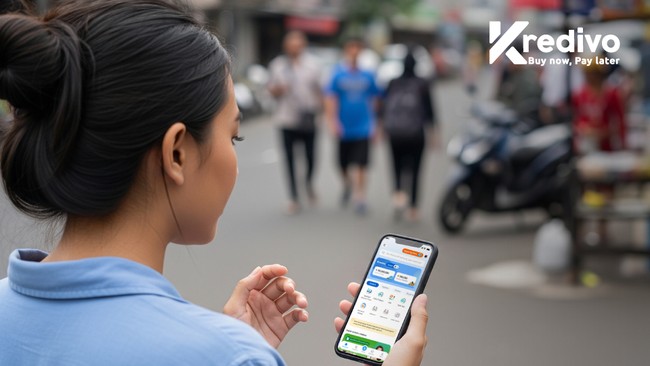
A 2020 World Bank report found that women own around 60% of Indonesia’s micro, small and medium-sized enterprises (MSMEs), but access to finance remains a challenge to their business development. Expanding access to credit is therefore important to create more opportunities for women to grow their businesses, take part in economic activity and build financial independence.
Women continue to face various barriers to formal credit, including a lack of collateral, credit histories and proof of income. Digital credit offers an increasingly accessible alternative amid these challenges.
Kredivo’s Social and Economic Impact Report records a tenfold increase since 2019 in the number of people gaining access to credit for the first time through the platform, with women accounting for 48% of them.
As the Financial Inclusion Month (BIK), an initiative of the Financial Services Authority (OJK), gets under way, Kredivo, a pioneer of PayLater services in Indonesia, says it is continuing to promote equal financial access for men and women.
Kredivo Chief Marketing Officer Indina Andamari said that since the company was established in 2016, it had believed financial inclusion should offer equal opportunities, including for men and women to access financing. Credit that suits people’s needs and means can help women develop businesses, strengthen their economic independence and improve family welfare, she said.
“We want to ensure that more women can not only access credit services, but also use them productively and responsibly,” Indina said in a statement on Monday (26 October 2026).
The expansion of access has coincided with increased use of credit for productive purposes. In 2025, 54% of credit disbursed by Kredivo was used for productive needs, while the number of users accessing credit as business capital rose fifteenfold compared with 2019.
Women have also played an important role, accounting for nearly half of Kredivo’s recipients of business loans. The report further found a positive association between women’s access to productive credit and stronger bargaining power within the household.
As credit access widens, responsible borrowing in line with people’s financial capacity is crucial to ensuring that financial inclusion has a positive impact. Kredivo says it applies responsible lending principles and runs financial education initiatives including Generasi Djempolan, Kredinspirasi, #AutoMikir, #AndaiAndaPandai and KrediCast. The report found that 65.7% of Kredivo users were financially literate, indicating a good level of financial understanding among most of its users.
By combining equal access, financial literacy and responsible lending, Kredivo says it is working to foster healthy and sustainable financial inclusion.
“The broader the access, the more important it is to ensure that growth remains healthy. Expanding inclusion must therefore go hand in hand with financial literacy and responsible lending, so people not only have access to credit but can also use it wisely, according to their needs and financial capacity,” Indina said.
Paksi Walandouw, Deputy Head of Research and Training at the University of Indonesia’s Faculty of Economics and Business Demographic Institute, said the research found that Kredivo had helped expand women’s access to credit, with women making up 48% of users who accessed credit for the first time through the platform. This was a positive sign for financial inclusion, he said, given that access to economic resources can affect women’s bargaining position both within the family and in wider economic activity.
“From a demographic perspective, the impact of financial inclusion is measured not only by whether financing becomes accessible, but also by how that access supports women’s ability to manage resources, make economic choices and participate more independently in decision-making,” he said.
Kredivo’s Social and Economic Impact Report is available to download from www.kredivocorp.com.
Source: jawawa.id (https://jawawa.id/newsitem/study-finds-nearly-half-of-kredivos-first-time-credit-users-are-women-1792993860)
Originally published by CNBC Indonesia (https://www.cnbcindonesia.com/tech/20261026114110-37-779437/studi-catat-hampir-separuh-pengakses-kredit-pertama-kredivo-perempuan), translated from Indonesian