
Study: Children's Suffering from Parents' Frequent Phone Use Can Last into Adulthood
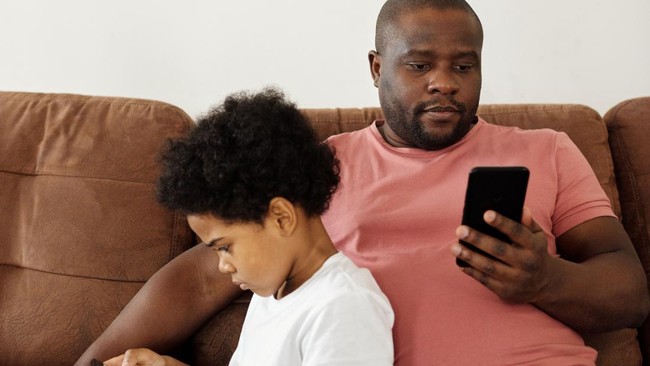
Jakarta, CNBC Indonesia – Smartphones have become a daily necessity. However, parents’ habit of being too absorbed in their phones while with their children turns out to have serious consequences. A recent study reported by technology site Gizmodo reveals that this attention disruption can damage long-term emotional bonds and trigger attachment problems in children as they grow into adulthood.
The term researchers often use is ‘phubbing’ – the behaviour of ignoring someone in person in favour of focusing on a screen. When parents constantly check notifications, scroll through social media, or reply to messages while playing, eating, or chatting with their child, the message the child receives is: ‘this phone is more important than you’.
The study, published in the journal Frontiers in Psychology in June 2026, involved 600 adolescents aged 12-17. The results showed that children who frequently felt they were competing with their parents’ phones had a far higher risk of relationship problems. They tend to experience excessive anxiety, fear of abandonment, or withdraw emotionally because they feel unheard.
Why Does This Have Long-Term Effects?
A strong emotional bond in early childhood is the primary foundation of a child’s mental health. When the need for attention and warm responses is not consistently met:
Toddler age: Children often react with anger, excessive crying, or become quiet and resigned from the exhaustion of trying to get attention
School age: They become more easily restless, struggle to concentrate, and risk imitating gadget habits to fill the emotional void
Adulthood: They have difficulty building trust, forming healthy relationships, and are more vulnerable to stress and insecurity
‘The impact does not come from the phone itself, but from the feeling of being repeatedly ignored that the child experiences. Over time, they learn that a parent’s presence cannot be fully relied upon,’ the research team explained.
Other research has also found that even a 10-20 minute drop in parental responsiveness is enough to drastically change the atmosphere of an interaction. Children who are usually eager to share stories will stop talking, and their self-confidence gradually declines.
Even when parents intend it to be ‘just for a moment’, that duration feels very long to a child. Their brains are in a sensitive period, desperately needing eye contact, touch, and direct conversation to build a stable emotional system.
Simple but Effective Solutions
Psychologists recommend practical steps so that gadgets remain a helpful tool rather than a relationship destroyer:
Set up device-free zones. During meals, before bedtime, or when gathering together, keep phones out of reach
Use screen time limit features. Configure notifications so they do not disturb family time
Quality over quantity. Thirty minutes of full attention is better than two hours together but with eyes constantly glued to a screen
Set an example. If you want your child not to be addicted to gadgets, show that life can run well without constantly holding one