
Study: AI transforms workplace, universities must innovate teaching methods
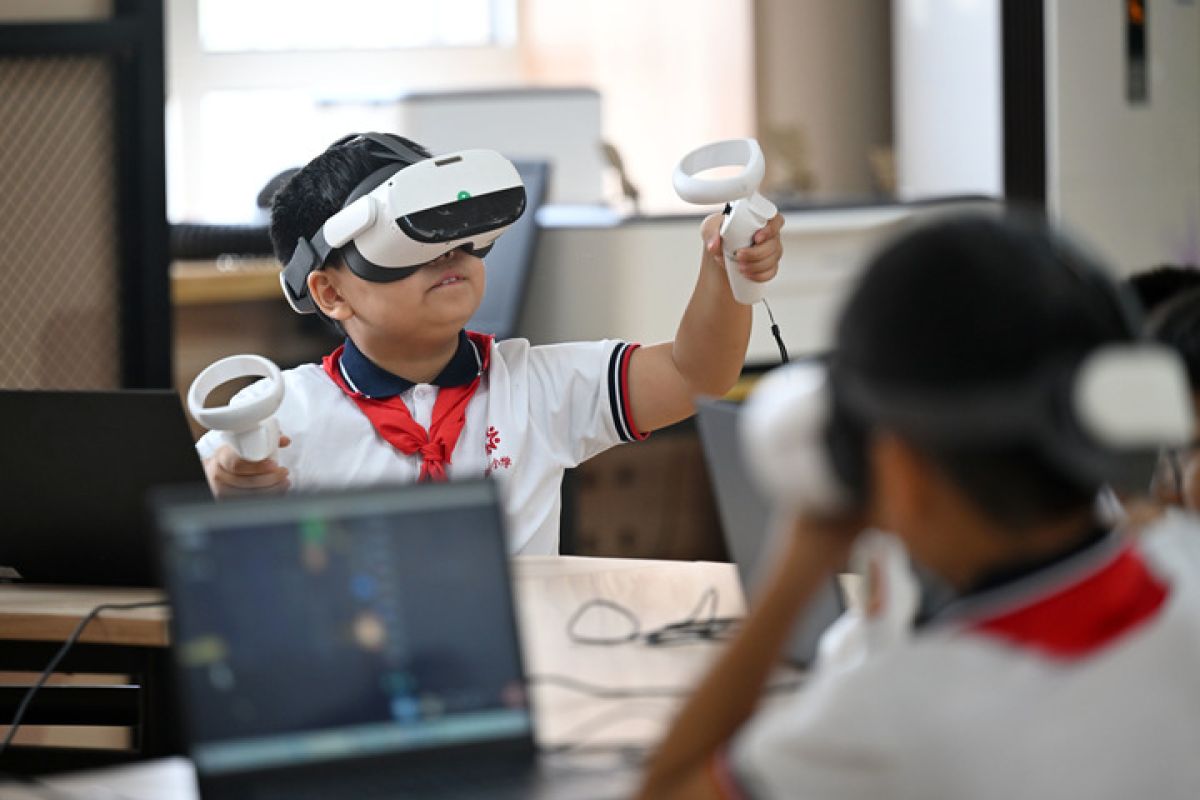
London (ANTARA) - Universities must fundamentally rethink how they educate students in a world where artificial intelligence (AI) is transforming the workplace, according to a new study released on Friday by the University of Manchester. The emergence of AI means higher education needs to place greater emphasis on critical thinking, ethical judgement, and communication, said the study authored by Kelechi Ekuma of the university’s Global Development Institute. The study noted that while AI tools are rapidly changing how people learn and work, many universities continue to rely on teaching and assessment models designed for a pre-AI era. This could create a gap between graduates’ skills and employer expectations. Therefore, universities must go beyond merely integrating AI into classrooms by rethinking the purpose of higher education, preparing students to work alongside increasingly capable AI systems rather than competing with them, the study said. Graduates will increasingly need strong critical thinking and communication skills, ethical awareness, the ability to understand complex situations, and an understanding of how AI works, according to the study. “AI is changing how knowledge is created, how decisions are made, and how many jobs are done. Universities need to think carefully about how they prepare students for that future,” Ekuma said. The study calls for significant changes to assessment methods, arguing that conventional exams and coursework should be replaced by more authentic forms of evaluation that test students’ ability to solve complex problems, exercise judgement, and apply knowledge in real-world contexts. According to Ekuma, educational institutions should embrace AI as a teaching partner rather than treating it solely as a threat, thereby helping students develop AI literacy alongside their disciplinary expertise.