
Students Research Mystical Practices at Mount Kawi, Here Are Their Findings
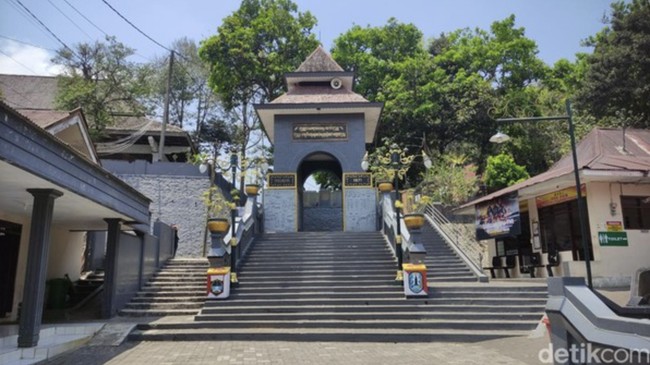
A group of students from Universitas Brawijaya (UB) Malang has conducted research examining the relationship between pesugihan ritual practices and the mental health conditions of practitioners in the Mount Kawi area, East Java. The widely circulated preliminary findings drew sharp rebuttals from the pilgrimage site’s management, raising questions about the limits of scientific research and cultural image. The five students, from the Faculty of Agriculture and the Faculty of Social and Political Sciences, formed a team named Artha Kawi for the research titled ‘Artha Kawi: Kawi’s Local Culture and Mental Disorder’. The study is part of the Student Creativity Programme funded by the Ministry of Education and Culture. According to Prasetya Online, the team interviewed selected informants with experience of rituals at Mount Kawi. Informants reported ‘unusual’ experiences such as hearing voices or seeing figures invisible to others. ‘But the reality is, a week after doing it, it becomes real. Whether you call it a hallucination or not, there is proof,’ one informant said. Initial findings indicated a significant link between Mount Kawi pesugihan rituals and the psychological condition of practitioners experiencing ‘psychosis’. However, it is important to note that an official diagnosis from experts such as psychiatrists or psychologists is still required to verify the mental disorder. ‘Generally, our results show that among several pesugihan practitioners and their close associates, there is a link between the practice and a tendency towards mental disorder, particularly psychosis,’ explained researcher Harun Rasyid. Psychosis is a mental condition causing sufferers to lose some contact with reality, making it difficult to distinguish between what is real and what exists only in their mind. The Artha Kawi team noted that in some practitioners, an extremely strong belief centred on the ritual system could indicate psychotic traits, not necessarily meaning severe mental illness, but rather a tendency to interpret life events through a rigid belief system detached from common views. The researchers stressed this was a correlation, not a conclusion that all pilgrims or believers in the supernatural suffer from psychosis. The team also affirmed they found no factual evidence of physical human sacrifice, only symbolic interpretations developing among practitioners. Controversy erupted when the findings were published on social media and reported by mass media. Yayasan Ngesti Gondo, the official manager of the Pesarean Gunung Kawi, promptly sent a letter of objection dated 12 October 2023 to the UB Rector and the research team. Foundation spokesperson Alie Zainal Abidin stressed two main points: there are no pesugihan practices within the Pesarean Gunung Kawi complex, which is a pilgrimage and religious tourism site to the tombs of national struggle figures Raden Mas Soeryo Koesoemo and Raden Mas Iman Soedjono. Furthermore, the research did not differentiate between Keraton Gunung Kawi and Pesarean Gunung Kawi, which are two separate locations with different managements. ‘We are trying to build an image as a place of culture and tolerance, not a negative mystical site. Diction like pesugihan, tumbal, and mental disorder is very damaging,’ Alie asserted. Universitas Brawijaya promptly responded, explaining the research was still in process, not yet final, and had not been officially published in a scientific journal. UB Head of Legal Division, Haru Permadi, stated a misunderstanding occurred due to media reports taking snippets of the preliminary findings. On 24 October 2023, both parties met directly at the location for joint clarification. It was agreed that the research team would clarify the distinction between locations, refine the diction, and no longer associate Pesarean Gunung Kawi with the ritual practices studied.