
Students in Singkawang Asked to Wear Masks Outdoors
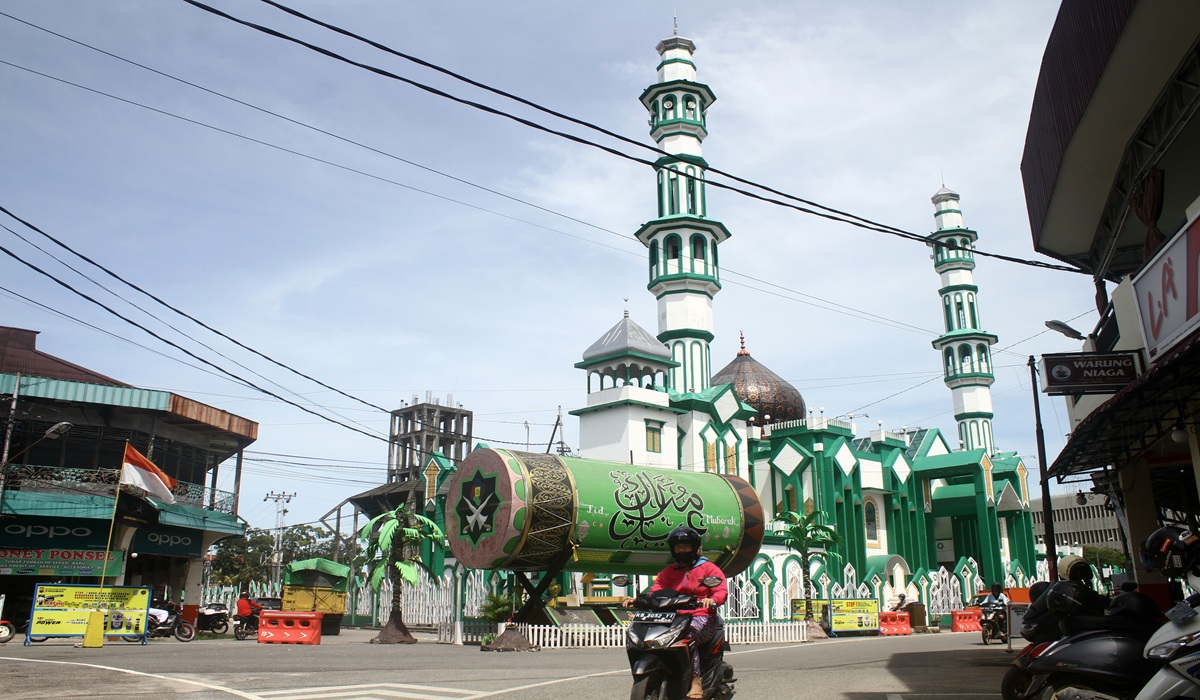
Students in Singkawang, West Kalimantan, have been asked by the city’s Education and Culture Office (Dikbud) to wear masks during outdoor activities due to declining air quality caused by haze from forest and land fires (karhutla).
“This request to use masks is intended to provide a sense of safety and maintain the health of all school community members,” said Head of the Singkawang Education and Culture Office Asmadi in Singkawang on Thursday (20/8).
He said the use of masks is to prevent schoolchildren from experiencing respiratory problems from exposure to smoke and dust particles in the air.
Based on monitoring by the Singkawang Environment Office (DLH), Asmadi said, air quality in the area remains in the moderate category. However, vigilance needs to be increased because conditions can change along with the development of forest and land fires and wind direction.
Therefore, he said the use of masks is one simple measure to reduce the risk of exposure to particles from smoke and dust, especially for school-age children who need protection during activities.
Asmadi asked schools, teachers, and parents to remind students to bring and use masks when going to and from school or carrying out outdoor activities.
“We want children to remain healthy and comfortable, their health to be maintained,” he said.
The Singkawang Education and Culture Office continues to coordinate with the Environment Office, the Health Office, and the Regional Disaster Management Agency (BPBD) to monitor air quality developments.
He confirmed that teaching and learning activities in schools are still being carried out face-to-face. The Education and Culture Office has not yet taken a policy to dismiss students because air conditions in Singkawang have not reached a level that requires stopping face-to-face learning.
“We remain face-to-face. But we also continue to monitor. If there are developments later, of course we will evaluate,” he said.