
Students Encouraged to Improve Financial Management Skills
The Financial Services Authority (OJK) reports that financial literacy among students rose from 56.42% in 2024 to 61.76% in 2025, while financial inclusion surged more dramatically from 69% to 84.42%. This disparity indicates that broader access to financial products and services has not been fully matched by the public’s ability to manage finances prudently. The challenge is particularly acute for people with disabilities, with only 24.3% of those aged 15 and above holding a bank account, compared to 47% of the non-disabled population.
To address this, a new educational initiative has been developed to enhance young people’s financial management capabilities through a practical, relevant, and inclusive approach. The programme aims to reach approximately 1,700 students from diverse age groups and backgrounds by the end of 2026, including students with disabilities, secondary school pupils, and university students.
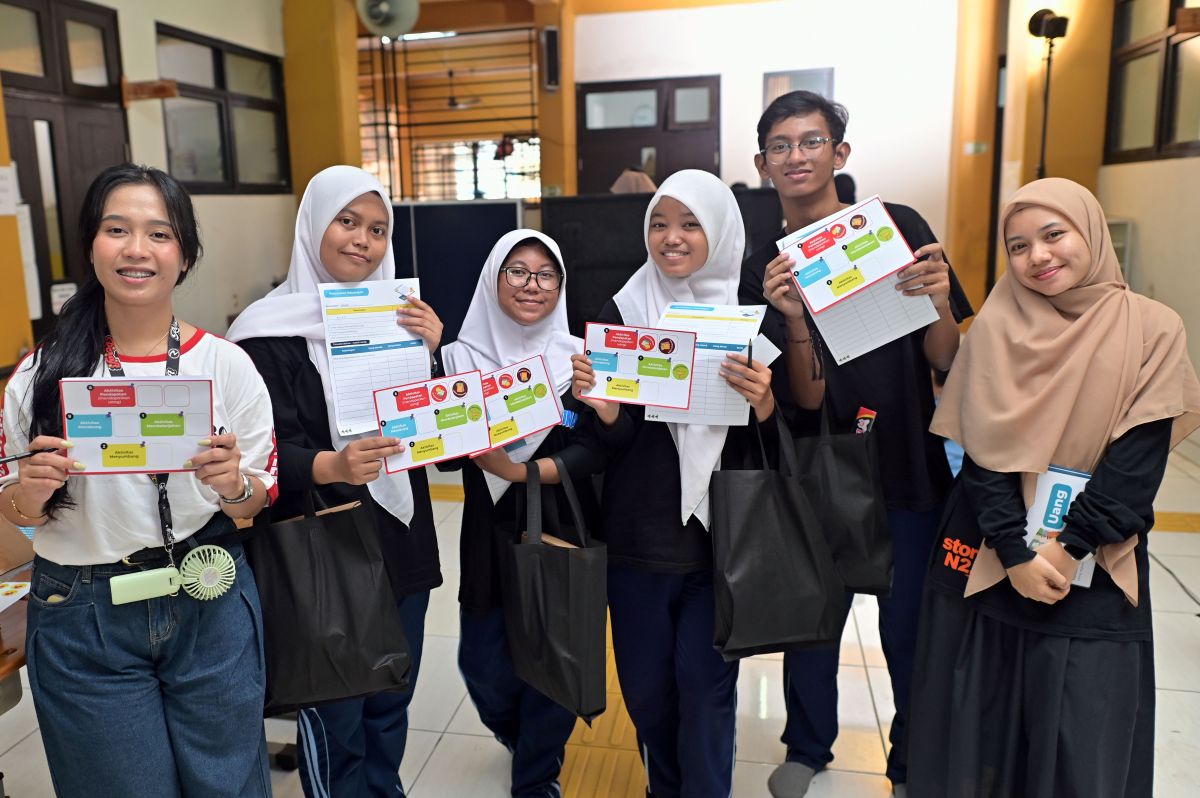
The programme began with a financial literacy session for 100 students with hearing impairments. Using visual, kinaesthetic, and experiential learning methods, participants were introduced to four basic financial concepts: earning income, saving, spending, and sharing. Through a financial adventure-themed activity, they engaged in simulations of earning wages, setting savings goals, making spending decisions based on priorities, and understanding the importance of giving.
Chandra Shadiq Faritzi, Assistant Director of Financial Literacy and Education at OJK, stressed that improved financial access must be accompanied by equitable literacy strengthening for all segments of society, including people with disabilities. “Inclusive financial education can help the younger generation understand risks, manage spending wisely, and build healthy financial habits from an early age,” he said, while commending the collaborative efforts supporting this initiative.
Stuart Rogers, President Director of PT Bank HSBC Indonesia, noted that today’s youth live with easy access to financial services but also face increasingly complex challenges, from digital consumer culture to instant financial services. He emphasised that young people need not only theoretical knowledge but also real-world experience to build habits and confidence in making sound financial decisions.
Natalia Soebagjo of the National Board of Prestasi Junior Indonesia added that financial literacy must be learned through direct practice, not just theory. Daily decisions about spending, saving, setting priorities, and handling social pressures are crucial to forming responsible financial habits.
Beyond students with disabilities, the programme will also reach approximately 1,500 secondary school students through experiential learning in finance and entrepreneurship. Participants will study money management, budgeting, financial decision-making, and business idea development via interactive classes and market simulations. At the university level, 100 students will receive training through workshops, mentoring, and financial innovation competitions, analysing financial problems and developing prototypes with support from mentors and industry practitioners.
Since its inception in 2008, the programme has reached over 51,400 students across various educational levels in Indonesia. The latest developments aim to help the younger generation build skills, habits, and confidence to make healthier, more resilient, and responsible financial decisions.