
Struggling to Save the Rupiah, Foreign Exchange Reserves Decline Again
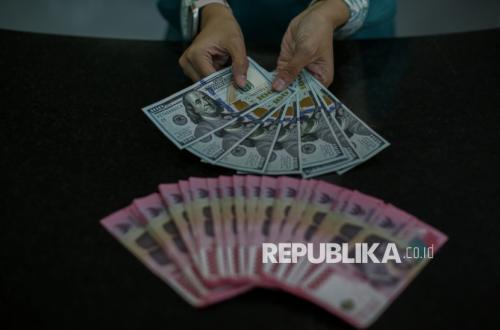
Bank Indonesia (BI) has recorded a further decline in Indonesia’s foreign exchange reserves. In May 2026, foreign exchange reserves were recorded at $144.9 billion, down $1.3 billion compared to the previous month.
“Indonesia’s foreign exchange reserve position at the end of May 2026 was recorded at $144.9 billion, lower than the position at the end of April 2026, which stood at $146.2 billion,” said the Head of Bank Indonesia’s Communication Department, Ramdan Denny Prakoso, in an official statement on Monday (8/6/2026).
Denny explained that the development of foreign exchange reserves in May 2026 was influenced by the issuance of government global bonds as well as tax and service revenues. This occurred amidst the payment of the government’s external debt and Bank Indonesia’s exchange rate stabilisation policies in response to high uncertainty in global financial markets and seasonal domestic demand for foreign currency.
Overall, the foreign exchange reserve position at the end of May 2026 is considered to remain strong. These reserves are equivalent to 5.6 months of imports, or 5.5 months of imports plus government external debt payments, and remain above the international adequacy standard of approximately three months of imports.
“Bank Indonesia assesses that these foreign exchange reserves are capable of supporting external sector resilience and maintaining macroeconomic and financial system stability,” he said.
Looking ahead, Denny stated that the central bank believes external sector resilience remains good, supported by an adequate foreign exchange reserve position and foreign capital inflows. This condition aligns with positive investor perception regarding the national economic outlook and the continued attractiveness of investment yields.
“Bank Indonesia continues to increase synergy with the government in strengthening external resilience to maintain economic stability in support of sustainable economic growth,” he concluded.