
Struggles of Salt Farmers in Cirebon Facing Climate Change
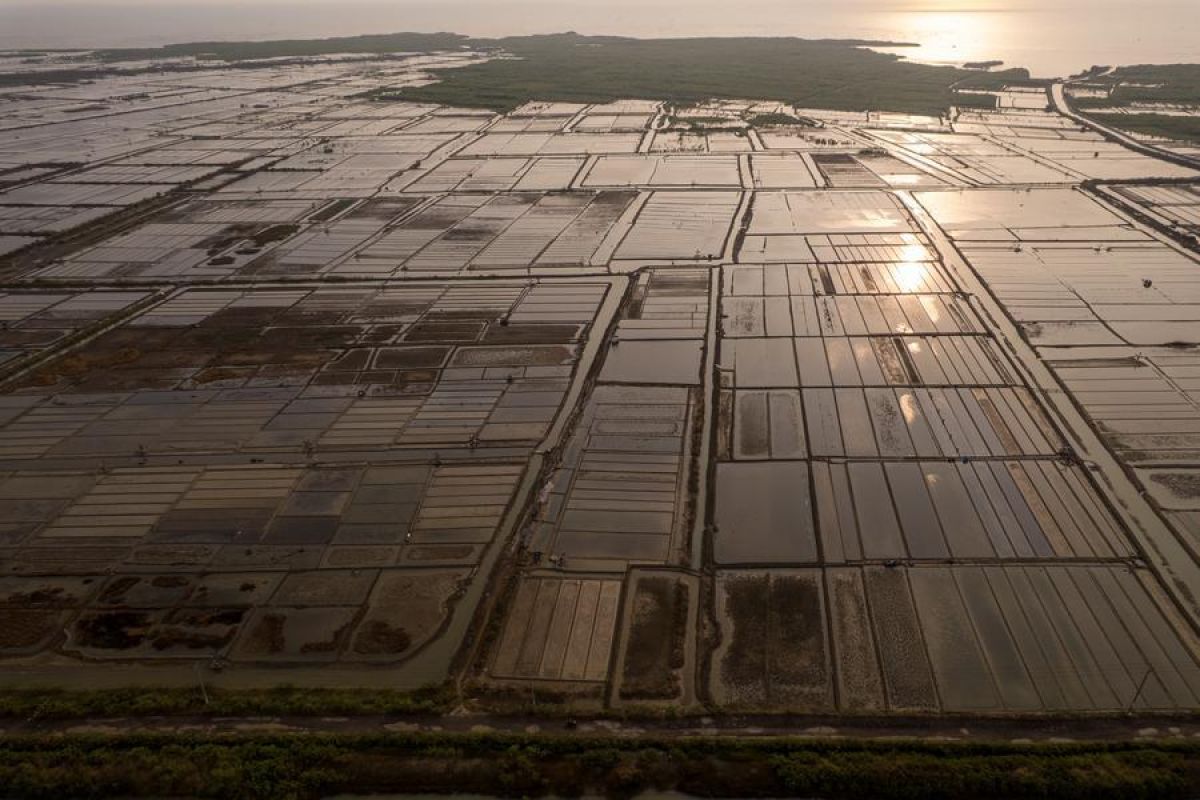
In the flat, sun-baked expanses of Cirebon, a port city in West Java province, life is measured not by the ticking of clocks, but by the rhythms of the sun, wind, and sea. For generations, families like those of Ipin and Raihan have harvested salt from shallow ponds along the northern coast. Their livelihoods depend on a simple yet laborious process: using the intense sunlight to evaporate seawater into mounds of crystals. The schedule is largely dictated by nature, leaving little room for human intervention. However, in recent years, this once-reliable rhythm has become increasingly unpredictable. Declining yields are testing the resilience of local farmers, whose incomes rely on the cooperation of weather and fluctuating tides. “Last year’s harvest wasn’t very large,” said Ipin (38), a farmer in Rawaurip Village. At that time, there was a wet dry season, with rain falling when we needed the sun. Time is a crucial factor. Salt production requires long, dry days without interruption. A single heavy downpour can wash away weeks of work, local farmers told Xinhua. In addition to rain, rising tides now pose an even greater threat to the ponds in these low-lying areas. Tidal flooding is even worse than rain, said Raihan (39), who returned from Jakarta in 2015 to farm full-time. “When the tidal flood comes, we have to start everything from scratch again,” he said. As a result, local farmers have been forced to diversify their businesses. During the rainy season when salt production is impossible, Raihan plants vegetables, chillies, and maize to supplement his income. “We have to be versatile. Nature dictates our schedule, so we must adapt,” he said. Climate pressures are also exacerbated by surges in operational costs. The price of plastic sheets, essential disposable materials for the final evaporation stage, has jumped from Rp2.2 million to Rp3 million per batch. With increasingly thin margins, even the slightest fluctuation in weather or market prices can push these family businesses to the brink of bankruptcy. Although the 2026 dry season is expected to last longer than usual according to government forecasts, local salt farmers face these changes with unwavering determination. “Every year has its challenges,” said Ipin, gazing at his evaporation plots beginning to shimmer in the dawn light. “But salt is our life, and we will continue to harvest it, no matter what happens, whether rain falls or tides rise,” he said.