
Strongest El Niño in a Century Approaches: What Are the Impacts?
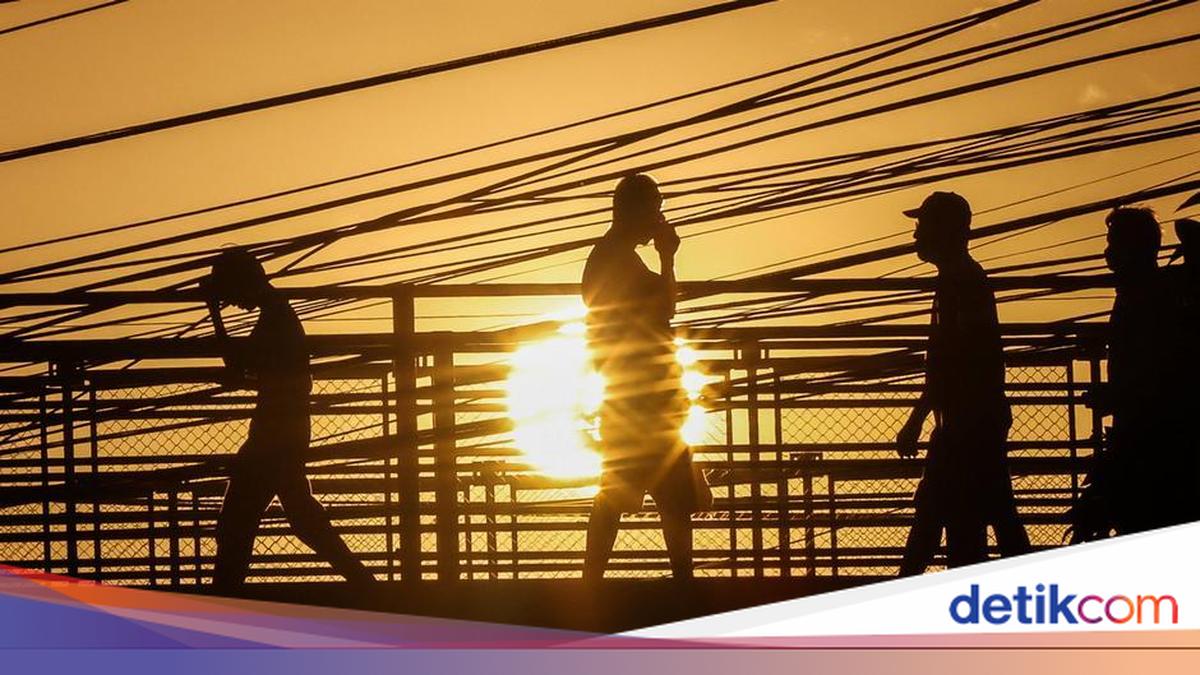
A potentially strong El Niño is forming in the Pacific Ocean and could alter weather patterns across the globe in the coming weeks. Scientists warn that this year could record one of the strongest El Niño events in history. “There is a real potential for the strongest El Niño event in the last 140 years,” said Paul Roundy, professor of atmospheric and environmental sciences at the State University of New York at Albany. The World Meteorological Organization (WMO) expects El Niño conditions to emerge soon and continue at least through the winter. This climate phenomenon can trigger droughts, floods, heatwaves, and disruptions to food and water supplies in various regions, depending on the strength and duration of the event. “The world must treat this as an urgent climate warning,” said United Nations Secretary-General Antonio Guterres. “El Niño conditions will exacerbate global warming.”
El Niño is a natural climate pattern occurring every two to seven years. The phenomenon begins when trade winds over the tropical Pacific weaken, allowing warm water to accumulate in the Pacific Ocean. Although the warming area is roughly the size of the continental United States and occurs in one region, its impacts can be felt worldwide. “By altering the tropical atmosphere, that can then change the atmosphere in more distant regions, namely in the mid-latitudes, which is why we watch this phenomenon so closely even though we might be thousands of miles away,” Gavin Schmidt, Director of the NASA Goddard Institute for Space Studies, told DW. It triggers a global chain reaction, with El Niño acting as “the first atmospheric domino to fall,” he added.
The impacts of El Niño vary greatly by region. In some areas, it can increase the risk of drought, while elsewhere there is a risk of flooding. Parts of Central America, Asia, Africa, and Australia, for example, often become hotter and drier during El Niño years. Warnings have been issued particularly regarding the risk of water scarcity due to El Niño. Reduced water supply can affect the agricultural sector, hydroelectric power generation, and drinking water supply. In Honduras, authorities estimate around 75 municipal areas could face severe drought conditions. The capital, Tegucigalpa, has already declared a state of water emergency. In other parts of the world, the risk is reversed. Along parts of South America’s Pacific coast, El Niño can bring extremely heavy rainfall and destructive flooding.
The effects can endure long after the rain has stopped or reservoirs have dried up. El Niño is often linked to crop failures and economic losses potentially reaching trillions. During the 2015-2016 El Niño event, poor harvests left millions of people worldwide in need of food assistance. Wildfires are also a growing concern. Scientists warn that El Niño is likely to increase the risk of extreme heat and drought conditions that fuel fires across Australia, Canada, the United States, and the Amazon rainforest.
El Niño plays a significant role in tropical storm activity. Scientists predict this year’s Atlantic hurricane season will be less active than average. El Niño conditions tend to increase wind shear over the Atlantic Ocean, making storm formation and intensification more difficult. “Waters are starting to warm in the central and eastern tropical Pacific,” explained atmospheric scientist Brian Tang. “Usually when there is a developing El Niño, especially during hurricane season, it suppresses the formation of clouds, thunderstorms, rainfall, and tropical cyclones in the Atlantic.” However, fewer storms do not necessarily mean less danger. Once a storm reaches hurricane strength, it becomes harder to subdue, meaning any storms that do form still have the potential to cause major disasters. The situation differs in the Pacific region, where El Niño tends to have the opposite effect, fuelling more and stronger storms. Marine ecosystems are also under pressure. Warmer sea temperatures due to El Niño can trigger coral bleaching and add stress to reefs already weakened by repeated heat exposure from climate change. The agricultural sector is similarly affected. In India, mango farmers report a drastic drop in yields after unseasonal weather disrupted the flowering and fruit development process, affecting both supply availability and farmers’ incomes.
Scientists state there is not yet strong evidence that climate change directly causes El Niño events to become stronger. However, climate change can worsen their impacts. “Climate change can turn a severe El Niño drought into an extreme drought,” said Michael McPhaden, a senior scientist at the US National Oceanic and Atmospheric Administration (NOAA). A warmer atmosphere can hold more water vapour, thus increasing the risk of extreme rainfall and flooding. Additionally, higher temperatures can also worsen droughts by evaporating soil moisture more quickly. With current global temperatures already near record highs, an El Niño event could easily push the Earth’s temperature to break global temperature records. One advantage of El Niño is that the phenomenon develops gradually and can be monitored months in advance.