
Strong Signs Indonesian Workers Should Head Abroad: The Skills They Need
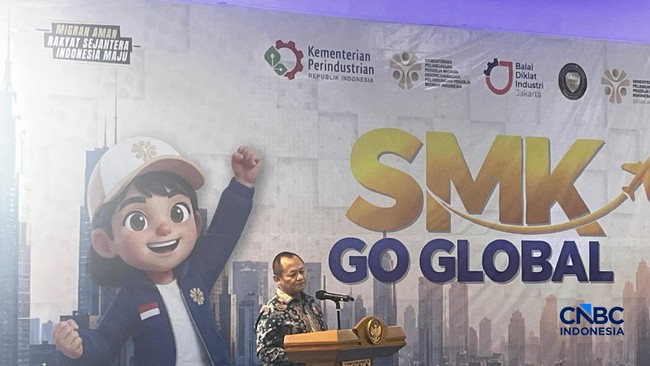
Jakarta, CNBC Indonesia — Indonesia has an opportunity to expand the placement of workers overseas amid demographic changes in several countries. Japan, South Korea and Singapore are experiencing stagnant or declining populations, creating labour demand that Indonesia could meet.
Industry Minister M Sarmuji said Indonesia’s large working-age population was an asset. It needed to be supported by training so Indonesian workers could develop skills suited to international market requirements.
“We have a demographic dividend and a large productive workforce. If trained, they could fill vacancies overseas, particularly as many developed countries are experiencing stagnant or even declining populations,” Sarmuji said at the Jakarta Industrial Training Centre on Thursday (15 October 2026).
Demographic changes in several developed countries are among the factors creating opportunities for foreign workers. This contrasts with Indonesia, which has a large working-age population and needs to expand employment opportunities for its workforce.
“Take Japan, for example: it is concerned about negative population growth. South Korea is in the same position, as are Qatar and Singapore, which are experiencing the same phenomenon,” he said.
However, a large working-age population does not automatically mean Indonesian workers can fill vacancies abroad. Skills readiness is crucial to ensure prospective workers meet the qualifications required by employers in destination countries.
Strengthening vocational education and skills training is an important part of realising this opportunity. Prospective workers need relevant industry competencies to compete in the international labour market.
“One solution is to send skilled Indonesian workers to fill positions that other countries also need,” Sarmuji said.
Meanwhile, changes in the character of domestic industry are creating challenges for job creation. The use of technology in production means some industries no longer employ as many people as they did when relying on labour-intensive methods.
“Our industry is growing, and manufacturing is expanding and employing more than 20 million Indonesian workers, but the character of our industry is changing over time,” Sarmuji said.
This shift means Indonesia needs to find additional ways to absorb workers. Placing skilled workers overseas could be one alternative, particularly if international labour-market demand can be matched with Indonesian workers’ competencies.
“The quality of economic growth in terms of employment is not as strong as it used to be. In the past, 1% economic growth could absorb around 400,000 workers; today, even 300,000 would be quite good,” he said.
Source: jawawa.id (https://jawawa.id/newsitem/strong-signs-indonesian-workers-should-head-abroad-the-skills-they-need-1792072227)
Originally published by CNBC Indonesia (https://www.cnbcindonesia.com/news/20261015164337-4-776561/sinyal-kuat-calon-pekerja-ri-mending-cabut-ke-ln-ini-modal-wajibnya), translated from Indonesian