
Strong Production Evidence: Indonesia Exports Rice to Saudi Arabia and Provides Aid to Palestine
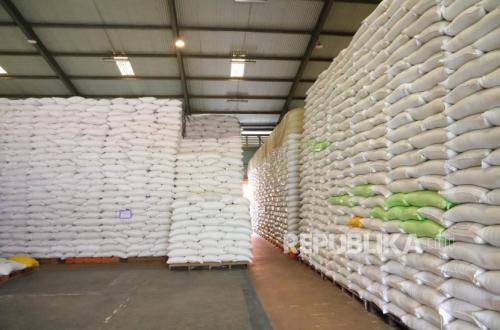
Indonesia has showcased the strong capacity of its national agricultural sector by penetrating export markets while delivering humanitarian aid abroad. This is reflected in the inaugural export of 2,280 tons of premium rice valued at Rp 38 billion to Saudi Arabia, as well as the distribution of 10,000 tons of rice aid to Palestine.
The export to Saudi Arabia is intended to fulfil the needs of approximately 215,000 Indonesian Hajj pilgrims. Looking ahead, the market potential is expected to continue growing, encompassing Umrah pilgrims and Indonesian residents (mukimin) numbering around 2 million people per year.
Agriculture Minister Andi Amran Sulaiman stated that this achievement serves as concrete evidence of the strength of national production and rice stocks.
“This is the first export to Saudi Arabia. This is a good momentum because our production is increasing. This is what we are exporting. We have also explored several countries such as Saudi Arabia, Papua New Guinea, Malaysia, and the Philippines,” said Minister Amran in a statement on Saturday (18/4/2026).
In addition to exports, the government has demonstrated its humanitarian commitment through the distribution of rice aid to Palestine. The 10,000 tons of aid represents a direct instruction from the President of the Republic of Indonesia as a form of solidarity with the Palestinian people.
“On the directive of the President of the Republic of Indonesia, he instructed us to provide aid to our brothers in Palestine of 10,000 tons of rice,” said Minister Amran.
From a production perspective, national performance shows a very positive trend. National rice production in 2025 was recorded to have increased by 4.07 million tons or 13.29%, supported by expansions in harvested area and various policies to strengthen the agricultural sector.
The Government Rice Reserves (CBP) as of April 2026 reached approximately 4.7 million tons, the highest in history, and continues to move towards 5 million tons. This achievement forms the primary foundation in maintaining domestic supply and price stability.
“With food self-sufficiency, we are secure. We must no longer rely on sources from abroad. In a global crisis, no country will willingly release its food to other countries. This is the law of history,” he said.
National food security is not only supported by government stocks but also by rice availability in society and ongoing production potential until the end of the year.
In the domestic market and HoReCa sector (Hotels, Restaurants, and Catering), rice availability is recorded at 12 million tons. Additionally, the potential standing crop is projected to continue contributing to production until the end of the year. This combination ensures that national supply remains secure and sufficient to meet needs for the next 11 months.
This condition is also reflected in the improved welfare of farmers, with the Farmer Exchange Rate (NTP) reaching 125.35—the highest in more than three decades. The agricultural sector also recorded growth of 5.74%, the highest in the last 25 years.
With production exceeding monthly domestic needs, which range from 2.5–2.6 million tons, Indonesia has room to expand exports while contributing sustainably to international humanitarian missions.
This achievement affirms the transformation of Indonesia’s agricultural sector, which is becoming increasingly strong and competitive, not only in meeting domestic needs but also in strengthening Indonesia’s position in global markets and the world humanitarian stage.
Source: jawawa.id (https://jawawa.id/newsitem/strong-production-evidence-indonesia-exports-rice-to-saudi-arabia-and-provides-aid-to-palestine-1776477043)
Originally published by Republika (https://ekonomi.republika.co.id/berita/tdo15g472/bukti-produksi-kuat-indonesia-ekspor-beras-ke-arab-saudi-dan-salurkan-bantuan-ke-palestina), translated from Indonesian