
Striking a balance to sustain the tobacco industry's contribution
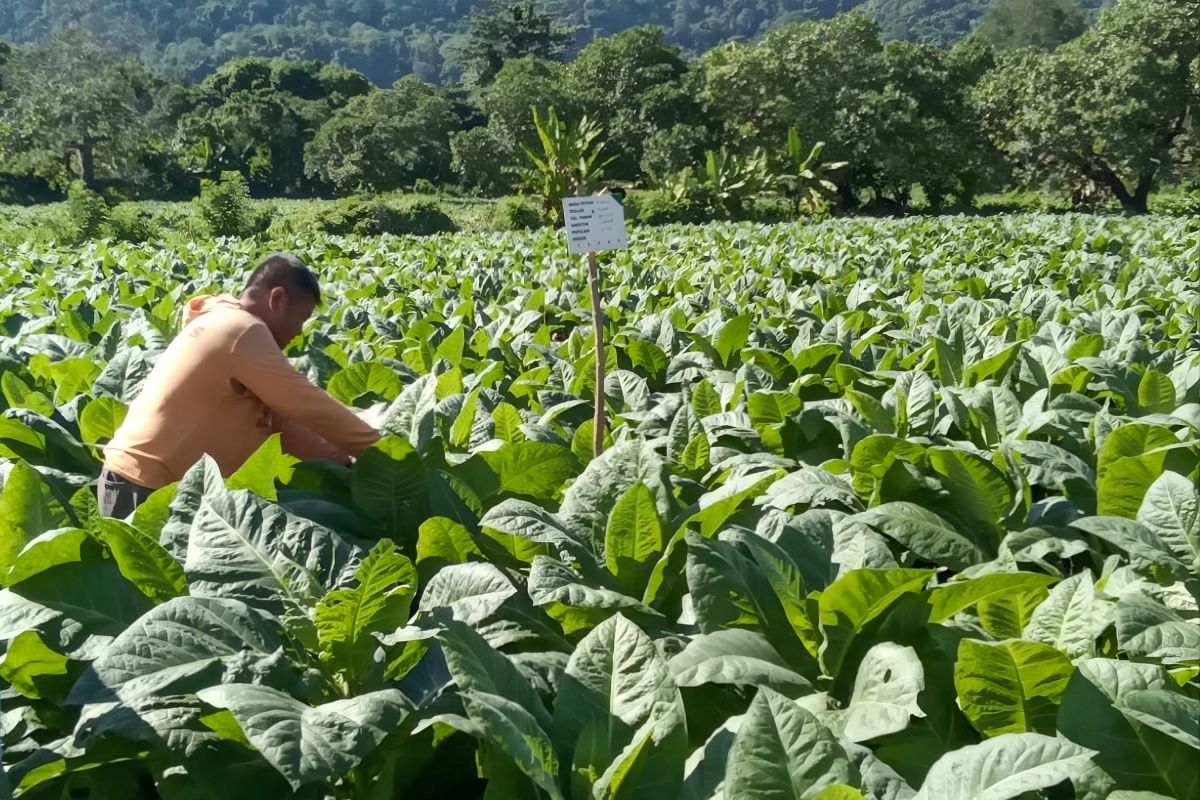
Maintaining the tobacco products industry is currently akin to walking a tightrope. Being too lenient risks neglecting public health protection, whilst being too strict could exert pressure on millions of workers, farmers, and business operators.
Although frequently linked to health issues of public concern, tobacco plays a vital role in supporting the national economy. This commodity is deeply rooted and serves as a source of livelihood for millions of farmers, workers, business operators, and various supporting sectors within its supply chain.
Consequently, the effort to find a balance between economic sustainability and public health protection has come under the spotlight in discussions on the derivative regulations of Government Regulation (PP) Number 28 of 2024, particularly those governing the tightening of tobacco product controls.
Various stakeholders believe the policies currently being formulated by the government must address two interests: protecting the younger generation from the health risks of cigarettes, whilst simultaneously safeguarding the continuity of millions of livelihoods dependent on the tobacco products industry (IHT).
Business operators in this sector assess that several draft policies under discussion could potentially affect the sustainability of the tobacco ecosystem, from farmers and workers to state revenue.
One such measure is the planned standardisation of packaging, which is seen as potentially eliminating brand identities that have long been protected by regulation. This policy is also feared to open the door for an increase in the circulation of illegal cigarettes.
Furthermore, the proposed limitation on nicotine and tar content is considered likely to reduce domestic tobacco absorption and threaten the sustainability of the kretek industry as a distinctive Indonesian product. This is despite the fact that the characteristics of tobacco grown in Indonesia naturally produce relatively higher nicotine and tar levels compared to several other countries.
Meanwhile, the plan to ban certain additives in tobacco products and electronic cigarettes is also deemed to require consideration of ingredient safety aspects, applicable standards, and the characteristics of national products.
In Indonesia, the tobacco products industry is not merely a manufacturing sector. It forms a long and complex economic chain with deep historical roots. Tobacco and clove farmers, factory workers, small and medium industry (IKM) operators, distributors, and retail traders all depend on this sector for their livelihoods.
Source: jawawa.id (https://jawawa.id/newsitem/striking-a-balance-to-sustain-the-tobacco-industrys-contribution-1782525094)
Originally published by Antara (Indonesian) (https://www.antaranews.com/berita/5625081/mengupayakan-titik-seimbang-demi-menjaga-kontribusi-industri-tembakau), translated from Indonesian