
Strengthening Value-Added, Coconut Downstreaming Becomes Key to Global Competitiveness
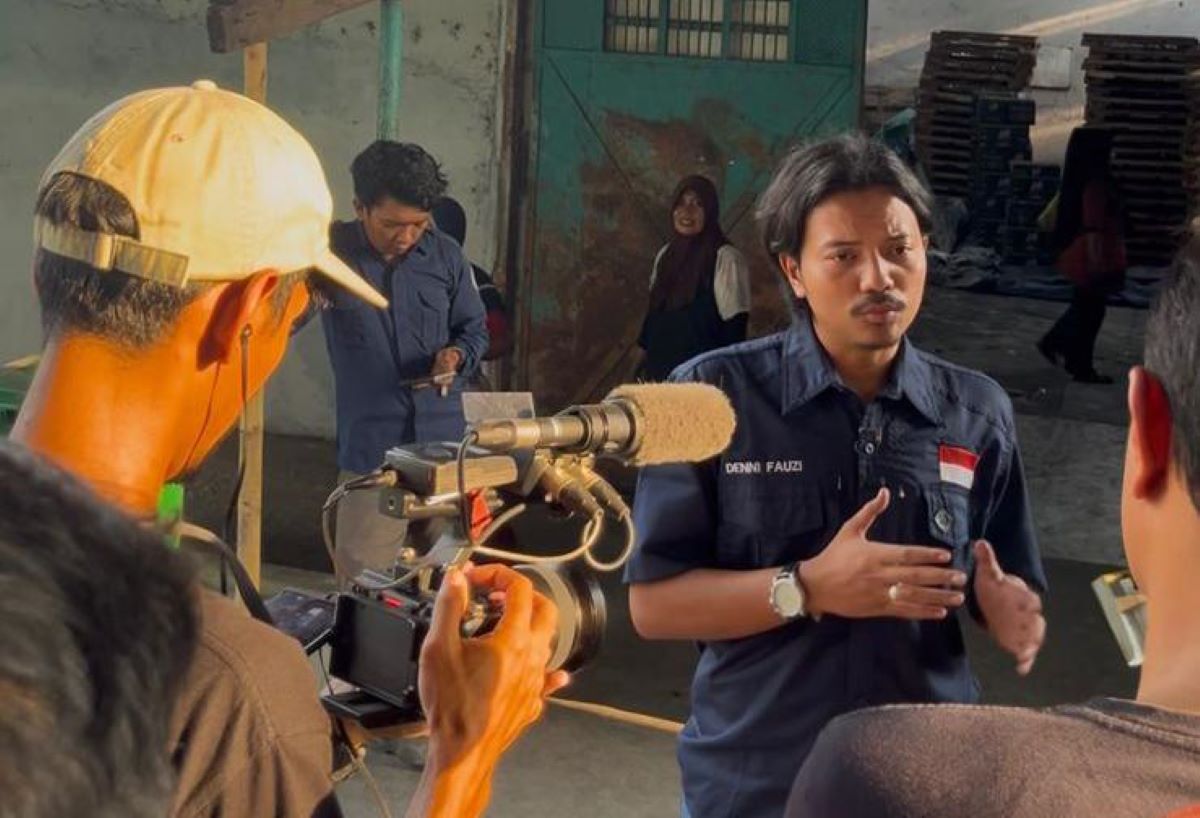
Chairman of the Nusantara Coconut Briquette Association (Asbrintara), Denni Fauzi, has expressed full support for President Prabowo Subianto’s commitment to accelerating the downstreaming and industrialisation of strategic national commodities, particularly coconuts. This step is deemed crucial for transforming Indonesia’s position from merely a supplier of raw materials to a major player in high-value global supply chains. According to Denni, President Prabowo’s vision, which emphasises the processing of raw materials, is highly relevant to the current challenges facing the coconut industry. Although recognised as one of the world’s largest producers, Indonesia has not yet optimally exploited the potential of downstreaming. ‘So far, we have mostly exported raw or semi-processed materials. Yet, coconuts can produce various high-value derivative products such as charcoal briquettes, processed coconut milk, coconut oil, and other derivatives that have large export markets,’ Denni stated in Jakarta on Tuesday (31/3). He added that the ‘industrial tree’ concept championed by the President is a strategic step to strengthen the ecosystem from upstream to downstream. With this approach, every part of the coconut can be maximally utilised without leaving waste (zero waste). Economic Impact Downstreaming is not only viewed as an effort to increase economic value but also as a driver of community welfare in production centres. ‘Asbrintara sees coconut downstreaming not only as a matter of boosting economic value but also as opening new job opportunities, especially in coconut-producing regions,’ Denni continued. One concrete proof of the success of downstreaming is the coconut shell charcoal briquette industry. This product has successfully penetrated international markets, from the Middle East, Europe, to the United States. Although optimistic, Asbrintara has noted the need for more concrete policy support from the government to maintain the growth momentum of this industry. Some key points highlighted include: ‘We are ready to synergise with the government to push coconut downstreaming more massively. This is an important momentum so that Indonesia does not only become a raw material supplier but also a major player in the global industry,’ he asserted. Asbrintara believes that with strong commitment from President Prabowo’s administration, the national coconut industry can transform into a main pillar in enhancing Indonesia’s economic competitiveness on the international stage.