
Strengthening Social Protection Resilience for the Middle Class
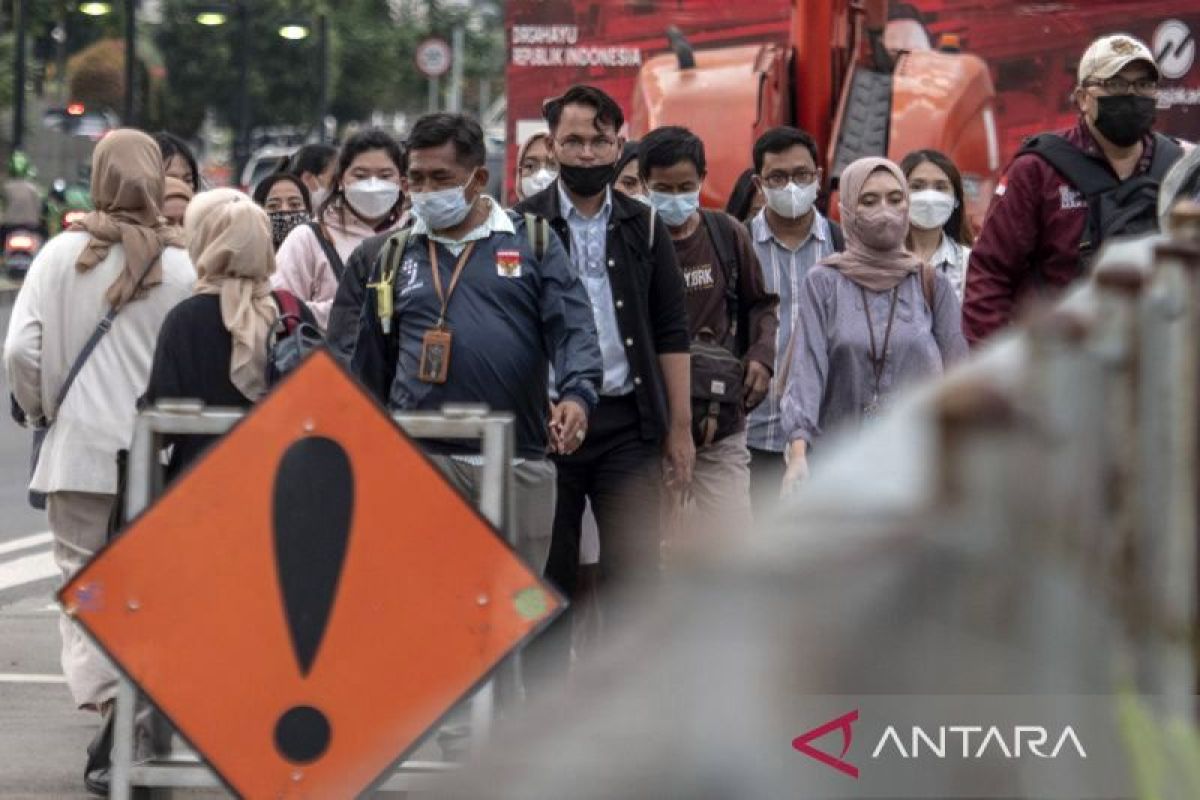
Jakarta (ANTARA) – Social protection has traditionally been understood as a state instrument to assist people living in poverty and vulnerable groups. However, in a modern economic structure, social protection must also be able to strengthen the resilience of the middle class.
This group holds a strategic position because it supports household consumption, generates tax revenue, drives the services sector and provides one of the foundations for national economic growth. When the middle class’s purchasing power weakens, the effects are felt not only by the households concerned but also across trade, industry, investment and state revenue.
Indonesia, however, faces increasingly complex challenges. Rising living costs, job uncertainty, the burden of financing education and healthcare, and limited growth in real incomes can cause middle-class households to fall into vulnerable groups. This is known as the household middle-income trap, or middle-class trap: a situation in which someone has escaped poverty but does not yet have sufficient economic resilience to maintain and improve their standard of living.
Therefore, reforming social protection cannot simply mean increasing the assistance budget. The government needs to shift its approach from protecting people solely against poverty to protecting them against the risk of declining welfare, while also strengthening people’s ability to move up the economic ladder sustainably.
The government’s fiscal commitment to public protection in 2026 is substantial. According to the Finance Ministry’s publication on the direction of 2026 state budget policy, social protection spending stands at Rp508.2 trillion. The allocation is intended to be better targeted through the use of the National Socio-Economic Single Data (DTSEN) and coordination among programmes to break the cycle of poverty.
The framework includes several major programmes that directly support household resilience. The Family Hope Programme (PKH) is allocated Rp28.7 trillion, the Basic Food Card, or Non-Cash Food Assistance (BPNT), Rp43.8 trillion, and contributions to the National Health Insurance scheme for Assistance Recipient Beneficiaries (PBI-JKN) Rp69 trillion. Together, these three programmes amount to Rp141.5 trillion. The government also provides support through education assistance, energy subsidies, fertiliser subsidies, housing assistance, economic empowerment programmes and various fiscal incentives.
Source: jawawa.id (https://jawawa.id/newsitem/strengthening-social-protection-resilience-for-the-middle-class-1794210706)
Originally published by Antara (Indonesian) (https://www.antaranews.com/berita/5841203/menjaga-ketahanan-perlindungan-sosial-bagi-kelas-menengah), translated from Indonesian