
Strengthening Public Education and Early Detection of Human Trafficking and Smuggling through Pimpasa
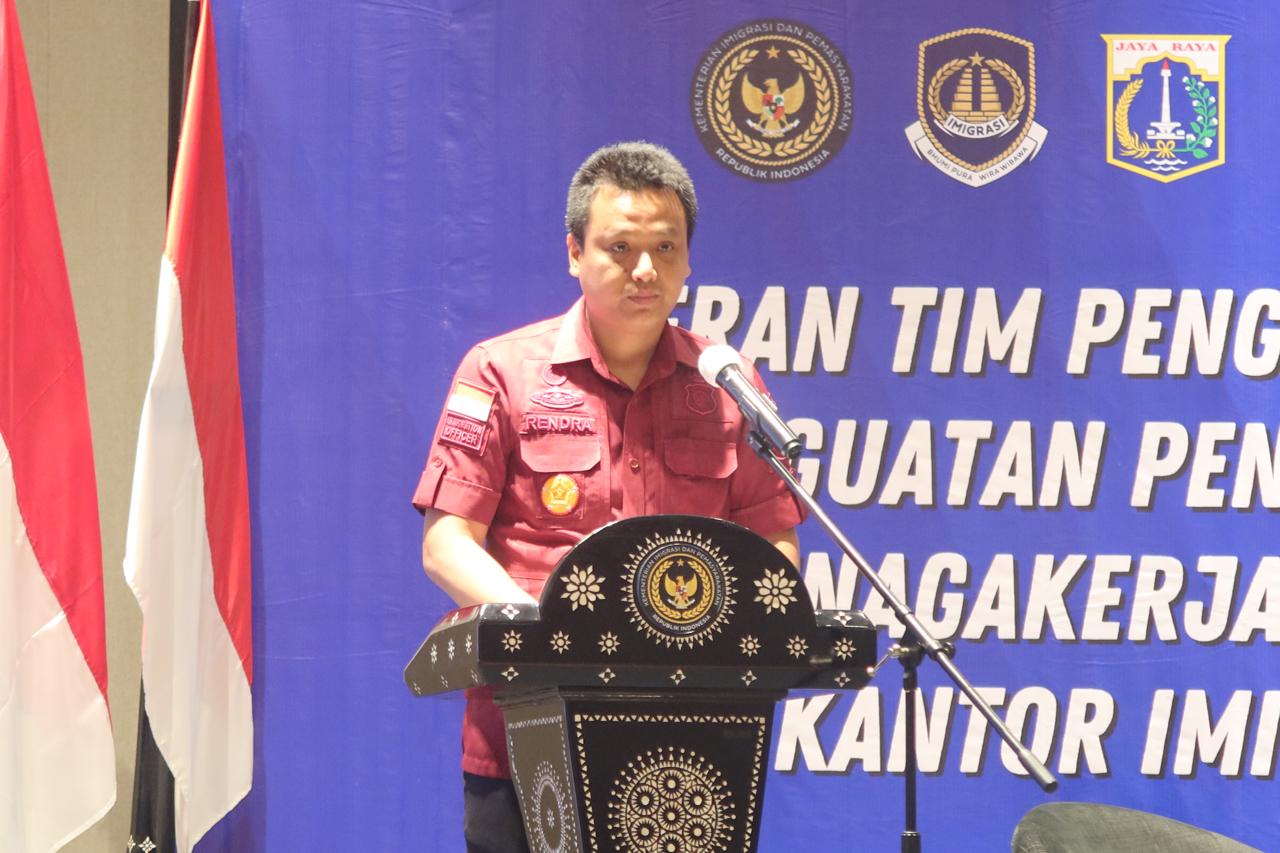
The North Jakarta Immigration Office continues to strengthen efforts to prevent human trafficking (TPPO) and human smuggling (TPPM) through the Village Immigration Officer (Pimpasa) program. This unit of the Directorate General of Immigration is similar to a Babinsa in the Indonesian National Armed Forces. Pimpasa is at the forefront of public education, expanding immigration literacy, and early detection of potential violations involving foreign nationals in the community. In a statement today, the Head of the North Jakarta Class I TPI Immigration Office, Rendra Mauliansyah, stated that Pimpasa functions as an “information bridge” and a preventive instrument that directly interacts with the community. “We want to ensure that the public, especially young people, understand the risks of human trafficking and illegal recruitment methods. The key is education, early detection, and active community involvement,” said Rendra.
Pimpasa implements a proactive approach through socialization in schools, villages, densely populated areas, and community groups. The educational material covers the dangers of human trafficking and illegal recruitment patterns, methods of sending workers through non-procedural channels, misuse of visas, characteristics of illegal recruiters or agencies, and the importance of obtaining passports and safe migration. Pimpasa also opens communication channels and complaint mechanisms for the public to report indications of illegal departures or suspicious activities. All incoming information will be coordinated with the Immigration Intelligence and Enforcement Section for further investigation.
“We want the public to feel safe reporting. We will fully protect the identity of the reporters,” Rendra emphasized. At the school level, especially in high schools and vocational schools, Pimpasa provides outreach on safe migration, proper passport procedures, and the risks of false job offers abroad. Student responses are said to be very positive, and many ask about legal job opportunities and how to avoid fraud. Meanwhile, at the village level, Pimpasa works with neighborhood associations (RT/RW), village heads, and community leaders to strengthen understanding of foreign national monitoring and reporting potential human trafficking in the surrounding area.
North Jakarta Immigration acknowledges that the success of preventing human trafficking and monitoring foreign nationals requires multi-party collaboration. Pimpasa actively establishes cooperation with local governments, schools, the Population Administration Office, security forces, community leaders, and neighborhood associations. Collaboration is carried out through joint socialization, data exchange, and coordination in environmental monitoring.
In addition to human trafficking education, Pimpasa also plays an important role in detecting the presence of foreign nationals suspected of violating immigration laws. Many reports from the public are received through Pimpasa, ranging from suspected overstaying, misuse of residence permits, to activities that do not comply with the permit. This information is forwarded to the Immigration Intelligence and Enforcement Section to conduct field surveys, document checks, and actions such as deportation. “The mobility of the community and foreign nationals in North Jakarta is very high. Therefore, synergy with residents is key to strengthening immigration supervision,” explained Rendra.
Rendra admitted that the challenges are still significant. Limited public literacy about immigration rules, fear of reporting, and limited initial information are often obstacles. However, efforts to strengthen education and community participation continue to be intensified. “We want to create an Immigration Office that not only issues passports but also protects the safety of the community and protects citizens from harmful practices,” Rendra concluded.