
Strengthening Protection: Government Monitors El Niño's Impact on Health
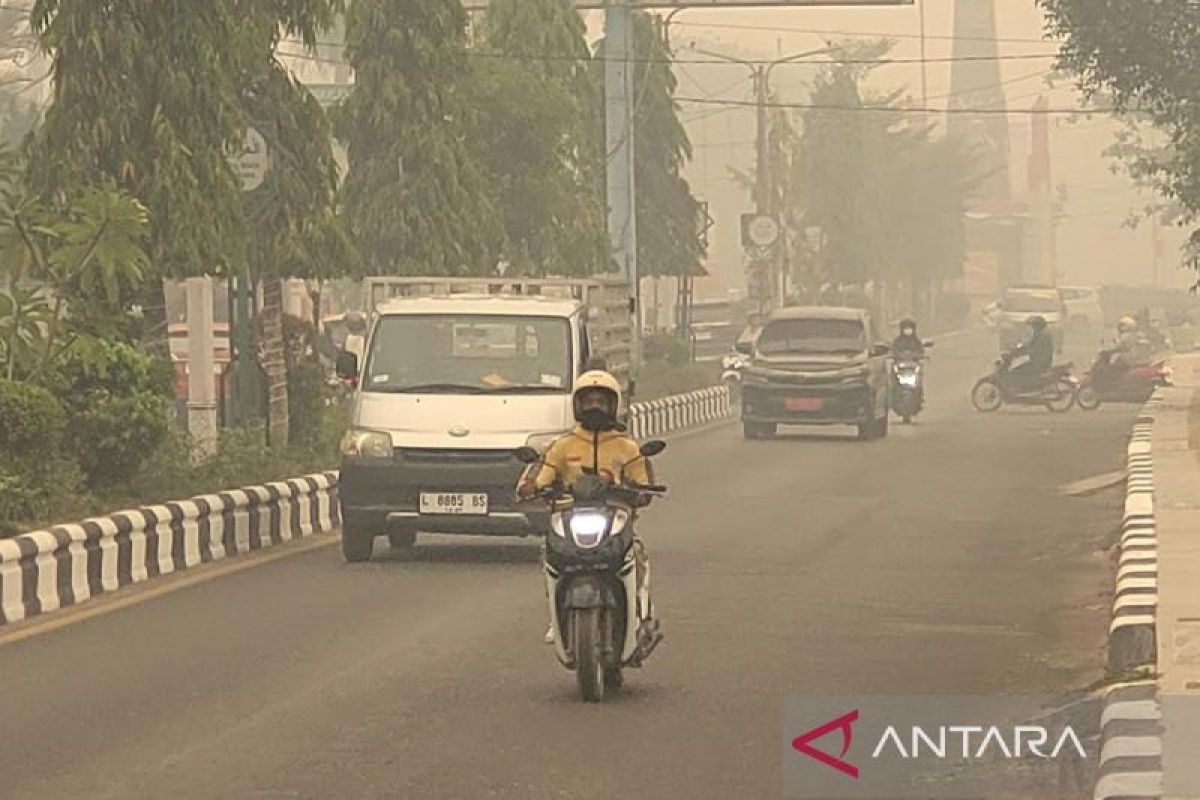
El Niño is not merely a matter of weather and climate; it also impacts public health due to limited clean water, rising temperatures, forest fires, declining air quality, and potential disruptions to food security.
The Ministry of Health (Kemenkes) continues to monitor the situation and is enhancing national preparedness to face health risks from the El Niño climate phenomenon, while strengthening protection measures across all regions according to their respective risk levels.
“El Niño is not just a matter of weather and climate, but also impacts public health due to limited clean water, increased temperatures, forest fires, decreased air quality, and the potential for food security disruptions. The Ministry of Health will continue to monitor developments and strengthen public health protection measures according to the risk level in each region,” said Ministry of Health Spokesperson Widyawati in Jakarta on Thursday.
To suppress the risk of potential health disturbances, the public is urged to take independent preventive steps, such as always wearing masks and limiting outdoor activities, especially when air conditions are unhealthy.
Additionally, she noted that it is important for the public to regularly monitor the Air Quality Index (AQI) and increase water consumption to prevent dehydration caused by extreme temperature increases.
The Ministry of Health also requested that the public remain calm, be selective in receiving information, and not be easily influenced by unverified issues. The public is advised to always follow weather updates from authorised agencies, as well as official health information references from the Ministry of Disasters and local governments.
“The public does not need to panic, but must remain vigilant. Protect yourself, protect your family, and protect the most vulnerable groups of society,” said Widyawati.
The Meteorology, Climatology, and Geophysics Agency (BMKG) confirmed that the threat of drought in Indonesia is predicted to end with the arrival of the rainy season between October and December 2026, although the El Niño phenomenon in the Pacific Ocean is projected to persist until the first quarter of 2027.
“The impact of El Niño on drought in Indonesia will conclude with the arrival of the rainy season, which begins gradually in October, November, and December, even though the El Niño phenomenon in the Pacific is predicted to last until the end of the first quarter of 2027,” they stated.
Ardhasena explained that the El Niño phenomenon is an anomaly of sea surface temperatures centred in the Pacific Ocean and has a long cycle duration that affects various regions of the world with differing impacts.
In Indonesia, the primary impacts of El Niño, namely suppressed rainfall and prolonged dry seasons, will cease once the monsoon wind circulation enters the Indonesian archipelago and triggers the formation of rain clouds.
Source: jawawa.id (https://jawawa.id/newsitem/strengthening-protection-government-monitors-el-ninos-impact-on-health-1790254812)
Originally published by Antara (Indonesian) (https://www.antaranews.com/berita/5757064/perkuat-perlindungan-pemerintah-pantau-dampak-el-nino-bagi-kesehatan), translated from Indonesian