
Strengthening patient navigation crucial to accelerate lung cancer services
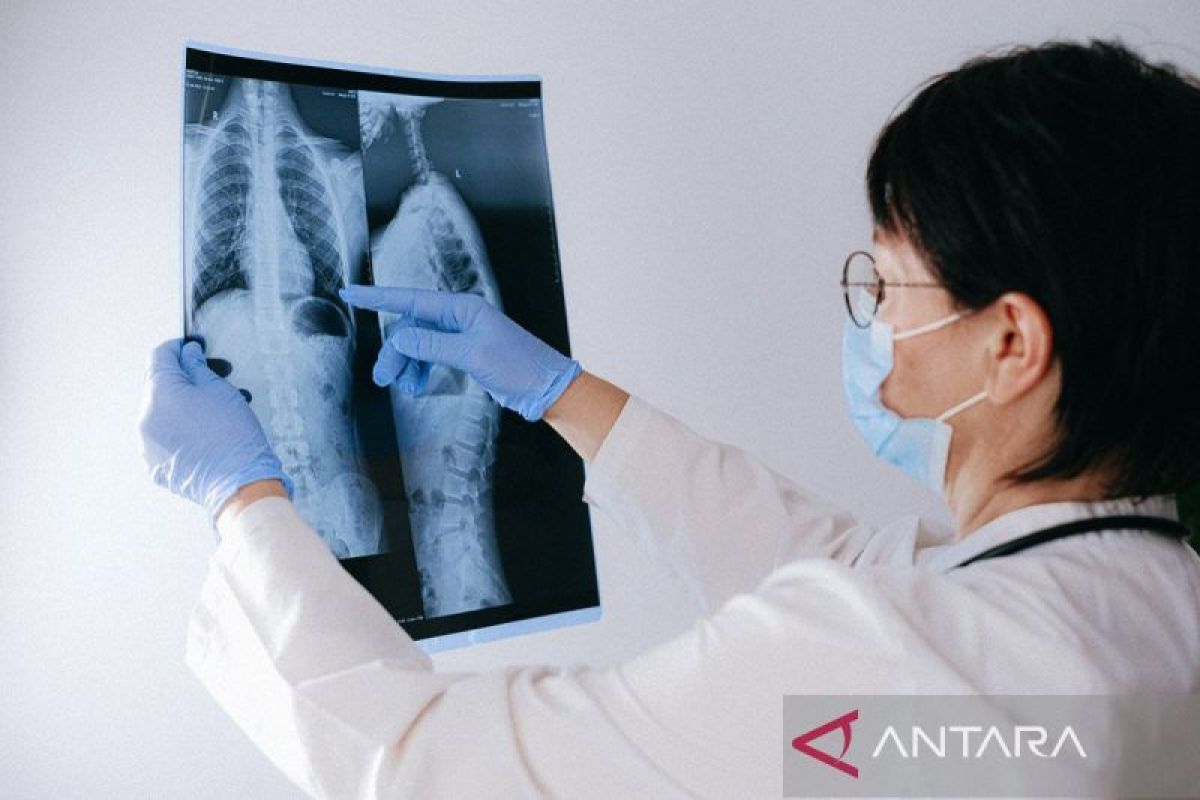
Jakarta (ANTARA) - Strengthening patient navigation services is considered important to help accelerate and coordinate the process of diagnosis, referral, and treatment of lung cancer in Indonesia.
“Patient navigation services cannot stand alone. To truly have an impact, we need long-term commitment, clear service standards, and policy support that makes this service part of the health system, not just a temporary initiative,” said President Director of AstraZeneca Indonesia Esra Erkomay in an official statement in Jakarta on Wednesday.
Esra said the service provides assistance and coordination that helps patients, families, and caregivers navigate the cancer care pathway, from screening, diagnosis, referral, and treatment to follow-up after therapy.
In the process, patient navigators help overcome various barriers that patients may face, such as lack of information, administrative processes, transport constraints, costs, and the need for psychological support.
The World Health Organization (WHO) describes patient navigation as an evidence-based intervention that helps patients navigate complex cancer service systems to obtain timely access to diagnosis and treatment, especially in countries where service systems still face coordination and access challenges.
In the Consensus Statement: Patient Navigation: Improving Care and Outcomes in Lung Cancer, patient navigation services are said to play a role in accelerating service coordination for lung cancer patients who must go through referral, examination, and treatment scheduling processes across various health facilities.
The need to strengthen these services is also linked to the high burden of lung cancer. GLOBOCAN 2022 data recorded around 2.4 million new lung cancer cases worldwide, or 12.4 percent of all cancer cases. Lung cancer also contributed to 18.7 percent of total cancer deaths in 2022.
Accordingly, he stated that the resilience of the health system is determined not only by the availability of medicines, technology, and facilities, but also by the ability to connect each stage of care effectively.
Several countries have integrated patient navigation services into their cancer care systems. One example is the National Health Service (NHS) in England, which places Clinical Nurse Specialists as the main point of contact accompanying patients from diagnosis to follow-up, while coordinating communication between doctors, nurses, laboratories, and other support services.
In the Indonesian context, strengthening patient navigation services is seen as part of efforts to build more integrated cancer services. Developing this ecosystem requires the involvement of various parties, from the government, BPJS Kesehatan, hospitals, professional organisations, patient organisations, academics, to the private sector.