
Strengthening National Collaboration Needed to Achieve Leprosy Elimination in Indonesia
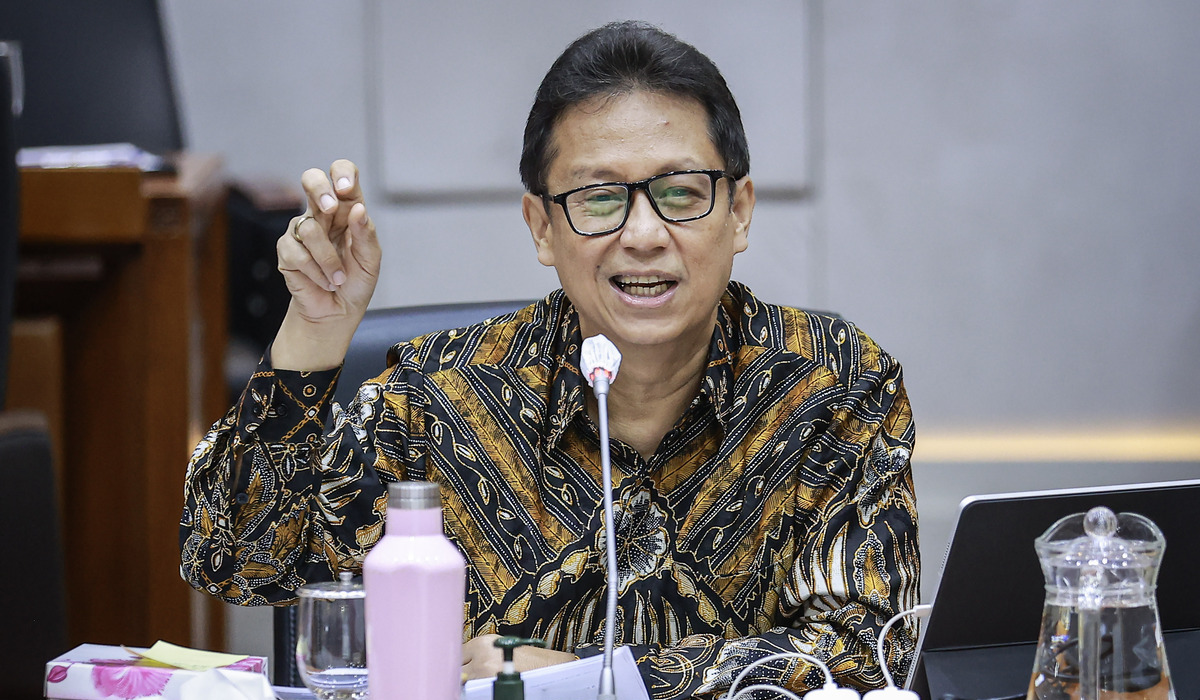
The Ministry of Health (Kemenkes) held the 2026 National Leprosy Conference with the theme ‘Accelerating Leprosy Elimination: Indonesia’s Commitment, Global Collaboration’ in Jakarta on Friday (10/7). Health Minister Budi Gunadi Sadikin asserted that leprosy is a bacterial infectious disease curable with medication available free of charge at healthcare facilities. He stated that the biggest challenge currently lies not in treatment, but in the large number of unidentified sufferers who eventually develop disabilities. ‘There is only one strategy: find as many cases as possible. Once found, immediately provide treatment. Once a patient starts taking medication, they are no longer infectious. Therefore, do not be afraid to find cases; the more cases found, the more people can be cured and transmission halted,’ said the Health Minister. Budi revealed that Indonesia records around 14,000 to 15,000 new leprosy cases annually. However, this figure is believed not to reflect the actual number of sufferers in the community. Kemenkes will encourage community health centres (puskesmas) to be more active in case tracking, including giving appreciation to puskesmas with the highest case findings as motivation to accelerate elimination. Coordinating Minister for Human Development and Culture (Menko PMK) Pratikno assessed that the effort to eliminate leprosy cannot be solely borne by the health sector. He emphasized the importance of involving local governments as the frontline of service. ‘Leprosy management must become a cross-sector movement. Education, communication, schools, religious organisations, and the business sector must move together to eliminate stigma and accelerate detection and treatment,’ said Pratikno. He reminded that Indonesia is still among the countries with the highest leprosy burden in the world, making elimination a regional development priority. In agreement, Home Affairs Minister (Mendagri) Tito Karnavian stated that the leadership of regional heads is a key factor. The commitment of local governments will determine whether the leprosy issue is included in development planning and budget support. ‘Regional heads must have strong political will. We are also preparing incentives for regions that show the best performance in health programmes, including leprosy and tuberculosis control,’ said Tito. The Honorary Chair of The Nippon Foundation and WHO Goodwill Ambassador for Leprosy Elimination, Yohei Sasakawa, appreciated the convening of the first national leprosy conference in Indonesia in over five decades. He noted that Indonesia’s active case-finding strategy is the right approach. ‘An increase in the number of cases found does not mean the programme has failed. On the contrary, it shows that active case finding is working well so that patients can be treated immediately,’ said Sasakawa. He added that leprosy elimination must also be measured by the ability to erase stigma and discrimination against survivors. The voice of survivors also coloured the conference through Syamsul, who shared his experience of facing discrimination from an early age. He hoped that no more survivors would lose access to education and employment due to stigma. ‘We are not just objects of aid. We also want to be subjects of development, having the opportunity to work, create, and contribute to Indonesia,’ Syamsul asserted. Through this conference, the Ministry of Health, together with various ministries, institutions, local governments, and development partners, strengthened synergy to realise the target of leprosy elimination in Indonesia through complete treatment and the elimination of social stigma.